Department of Physiology, Yong Loo Lin School of Medicine, National University of Singapore, Singapore, Singapore.
PLoS One. 2010 Aug 12;5(8):e12124. doi: 10.1371/journal.pone.0012124.
A major concern of cancer chemotherapy is the side effects caused by the non-specific targeting of both normal and cancerous cells by therapeutic drugs. Much emphasis has been placed on discovering new compounds that target tumour cells more efficiently and selectively with minimal toxic effects on normal cells.
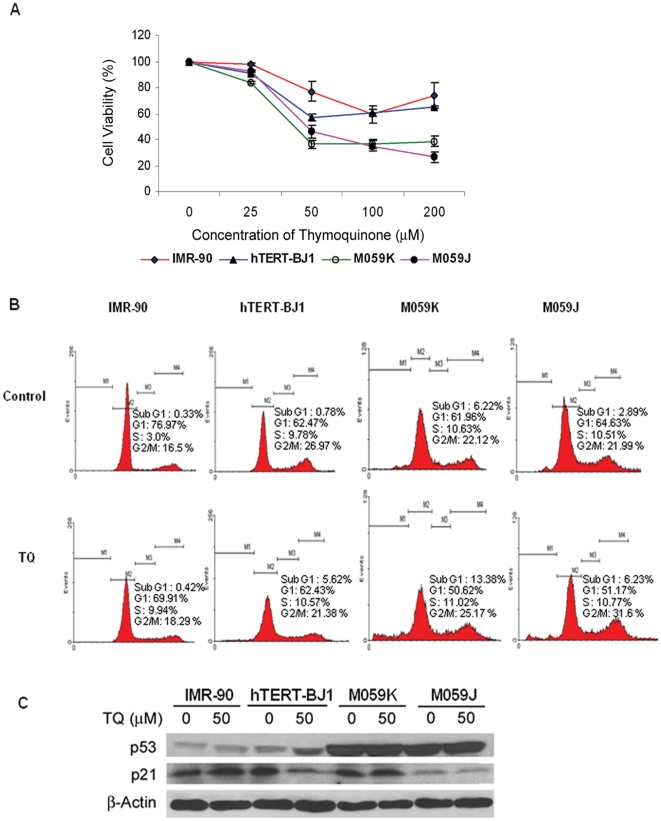
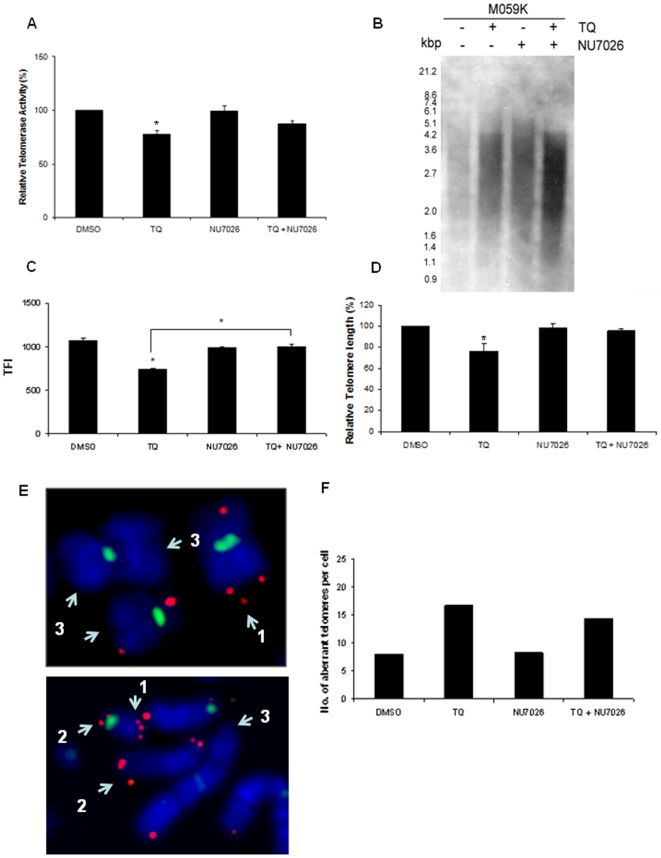
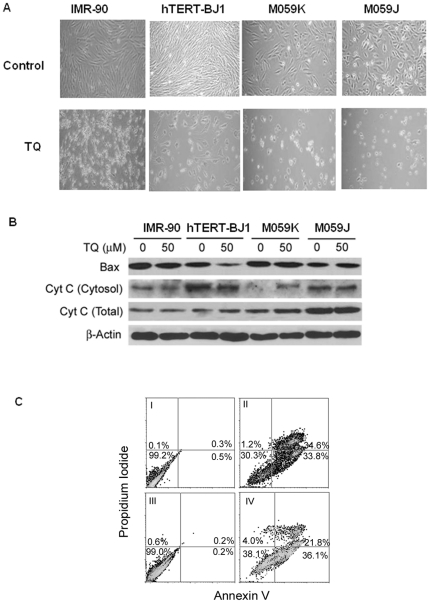
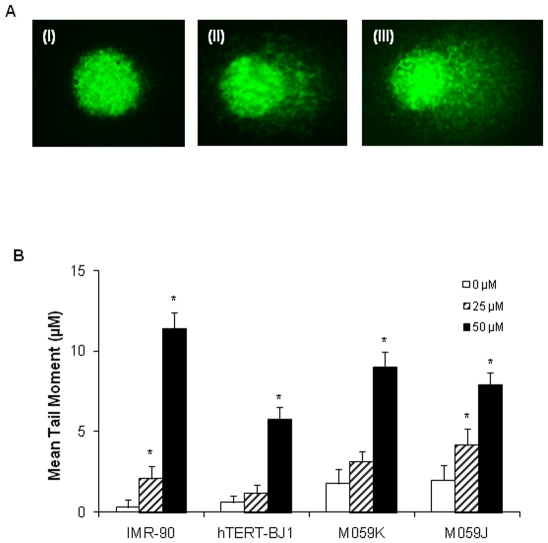
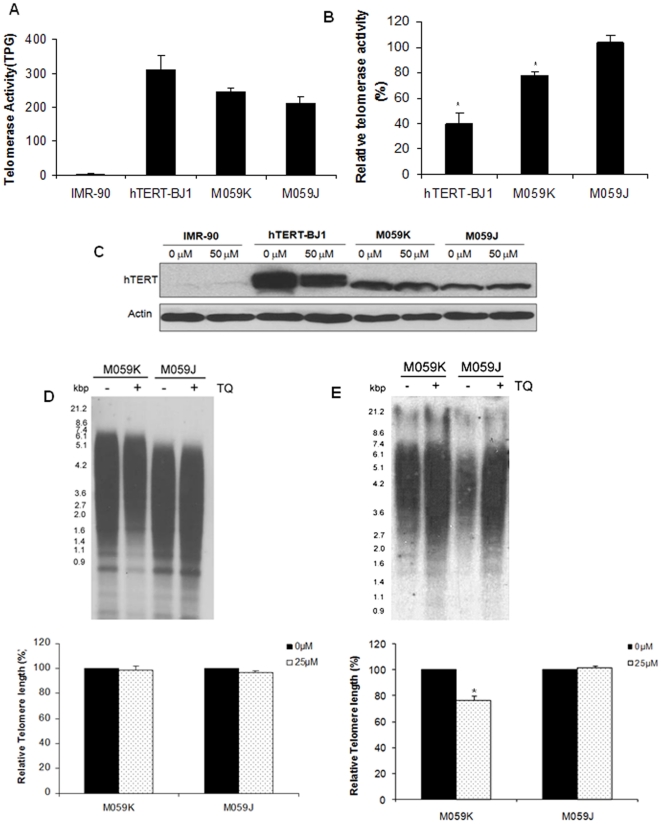
METHODOLOGY/PRINCIPAL FINDINGS: The cytotoxic effect of thymoquinone, a component derived from the plant Nigella sativa, was tested on human glioblastoma and normal cells. Our findings demonstrated that glioblastoma cells were more sensitive to thymoquinone-induced antiproliferative effects. Thymoquinone induced DNA damage, cell cycle arrest and apoptosis in the glioblastoma cells. It was also observed that thymoquinone facilitated telomere attrition by inhibiting the activity of telomerase. In addition to these, we investigated the role of DNA-PKcs on thymoquinone mediated changes in telomere length. Telomeres in glioblastoma cells with DNA-PKcs were more sensitive to thymoquinone mediated effects as compared to those cells deficient in DNA-PKcs.
CONCLUSIONS/SIGNIFICANCE: Our results indicate that thymoquinone induces DNA damage, telomere attrition by inhibiting telomerase and cell death in glioblastoma cells. Telomere shortening was found to be dependent on the status of DNA-PKcs. Collectively, these data suggest that thymoquinone could be useful as a potential chemotherapeutic agent in the management for brain tumours.
癌症化疗的一个主要关注点是治疗药物对正常细胞和癌细胞的非特异性靶向作用所引起的副作用。人们非常重视发现新的化合物,这些化合物能够更有效地靶向肿瘤细胞,选择性更强,对正常细胞的毒性作用最小。
方法/主要发现:从植物黑种草中提取的成分百里醌对人神经胶质瘤和正常细胞的细胞毒性作用进行了测试。我们的研究结果表明,神经胶质瘤细胞对百里醌诱导的抗增殖作用更为敏感。百里醌诱导神经胶质瘤细胞的 DNA 损伤、细胞周期停滞和细胞凋亡。此外,我们还观察到,百里醌通过抑制端粒酶的活性促进端粒损耗。除了这些,我们还研究了 DNA-PKcs 在百里醌介导的端粒长度变化中的作用。与缺乏 DNA-PKcs 的细胞相比,具有 DNA-PKcs 的神经胶质瘤细胞中端粒对百里醌介导的效应更为敏感。
结论/意义:我们的研究结果表明,百里醌可诱导 DNA 损伤、通过抑制端粒酶导致端粒损耗和神经胶质瘤细胞死亡。端粒缩短依赖于 DNA-PKcs 的状态。综上所述,这些数据表明,百里醌可作为治疗脑肿瘤的潜在化疗药物。