Molecular and Cell Biology Lab, Institute of Biomedical Sciences, Fudan University, Shanghai 20032, China.
Trends Biochem Sci. 2011 Feb;36(2):108-16. doi: 10.1016/j.tibs.2010.09.003. Epub 2010 Oct 8.
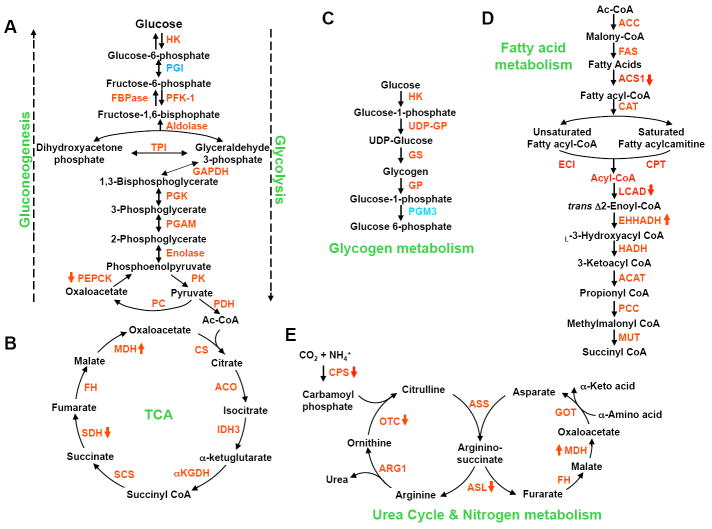
Extensive studies during the past four decades have identified important roles for lysine acetylation in the regulation of nuclear transcription. Recent proteomic analyses on protein acetylation uncovered a large number of acetylated proteins in the cytoplasm and mitochondria, including most enzymes involved in intermediate metabolism. Acetylation regulates metabolic enzymes by multiple mechanisms, including via enzymatic activation or inhibition, and by influencing protein stability. Conversely, non-nuclear NAD(+)-dependent sirtuin deacetylases can regulate cellular and organismal metabolism, possibly through direct deacetylation of metabolic enzymes. Furthermore, acetylation of metabolic enzymes is highly conserved from prokaryotes to eukaryotes. Given the frequent occurrence of metabolic dysregulation in diabetes, obesity and cancer, enzymes modulating acetylation could provide attractive targets for therapeutic intervention for these diseases.
在过去的四十年中,大量研究已经确定赖氨酸乙酰化在核转录调控中的重要作用。最近对蛋白质乙酰化的蛋白质组学分析揭示了细胞质和线粒体中大量的乙酰化蛋白,包括大多数参与中间代谢的酶。乙酰化通过多种机制调节代谢酶,包括酶的激活或抑制,以及影响蛋白质稳定性。相反,非核 NAD(+)-依赖性 Sirtuin 去乙酰化酶可以调节细胞和机体的代谢,可能通过代谢酶的直接去乙酰化作用。此外,代谢酶的乙酰化在原核生物到真核生物中高度保守。鉴于代谢失调在糖尿病、肥胖症和癌症中经常发生,调节乙酰化的酶可能为这些疾病的治疗干预提供有吸引力的靶点。