Department of Medical Microbiology and Immunology, University of Wisconsin, Madison, Wisconsin, United States of America.
PLoS Pathog. 2010 Oct 7;6(10):e1001136. doi: 10.1371/journal.ppat.1001136.
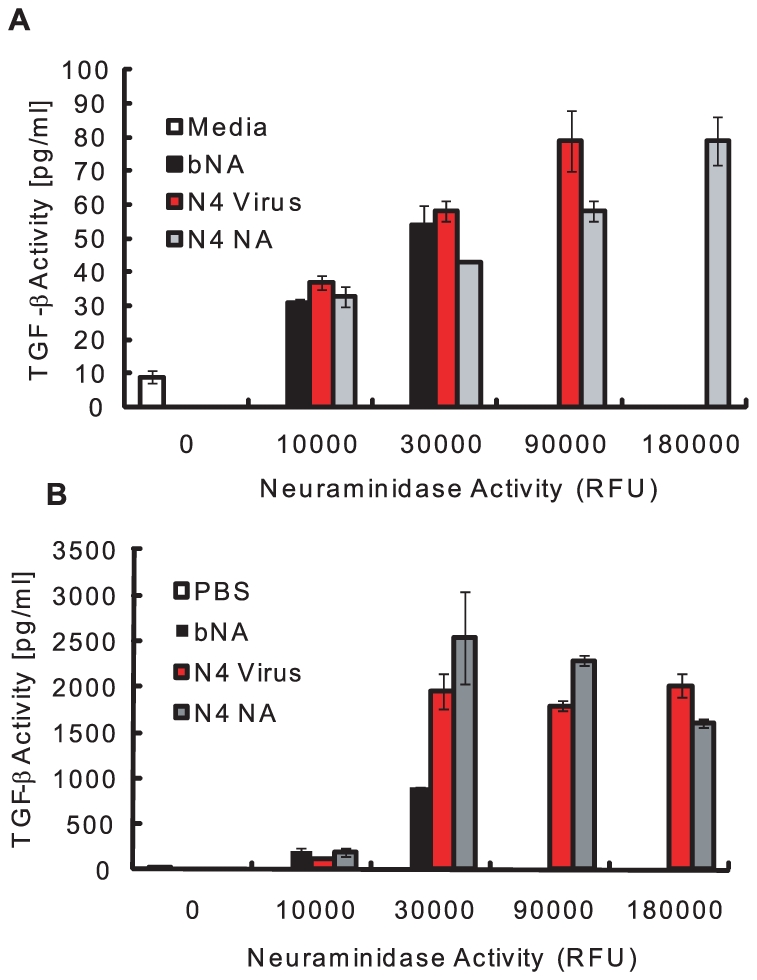
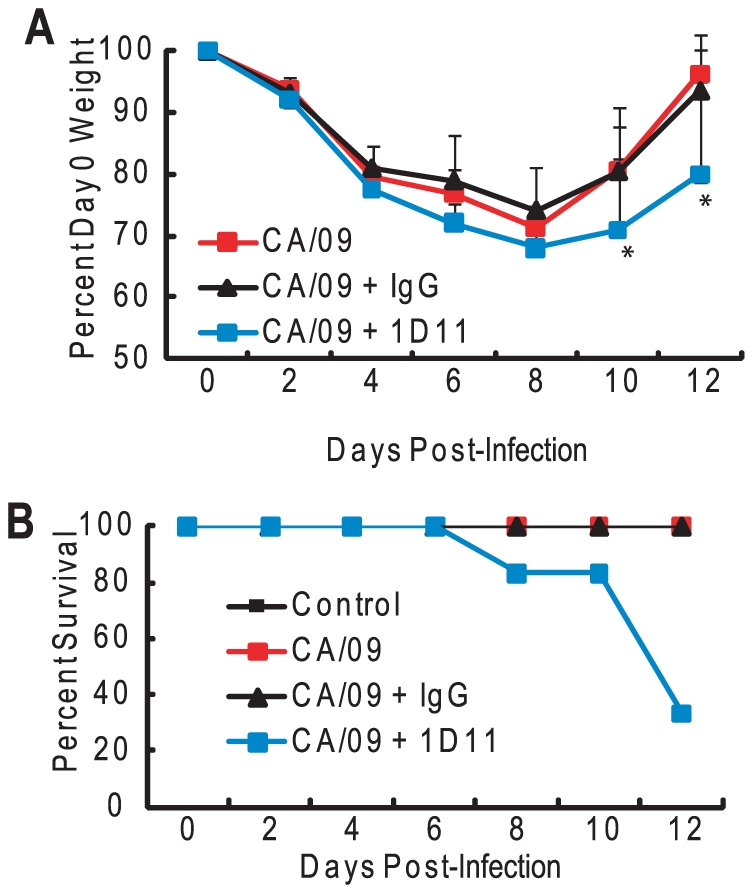
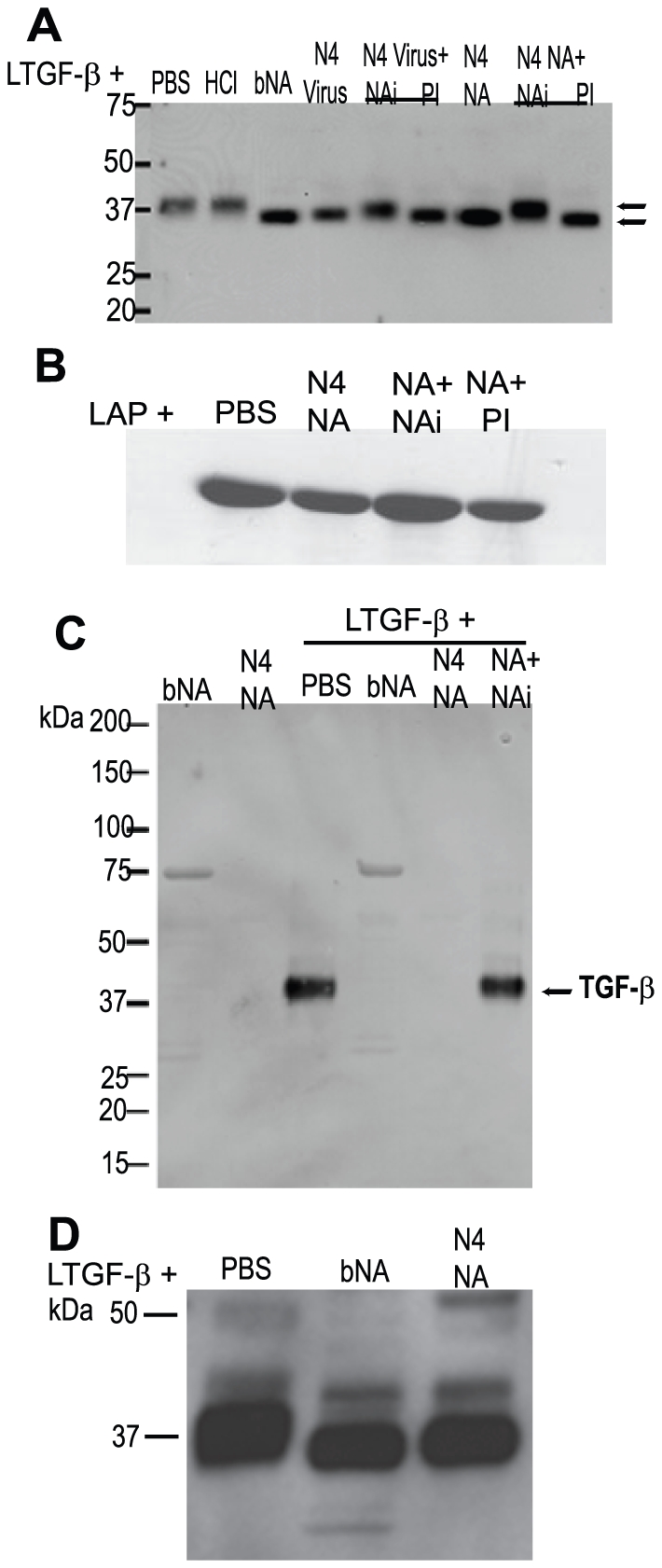
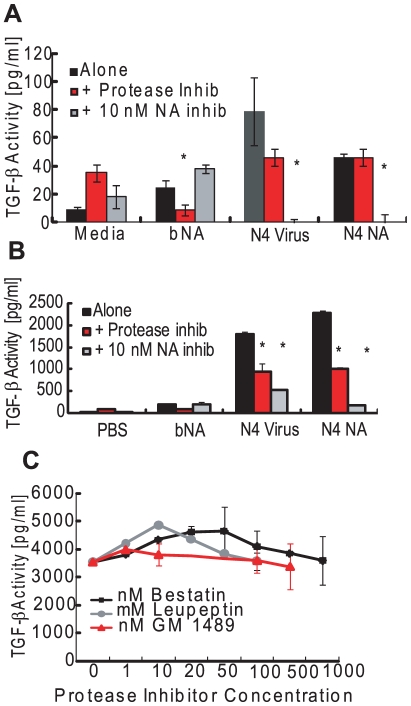
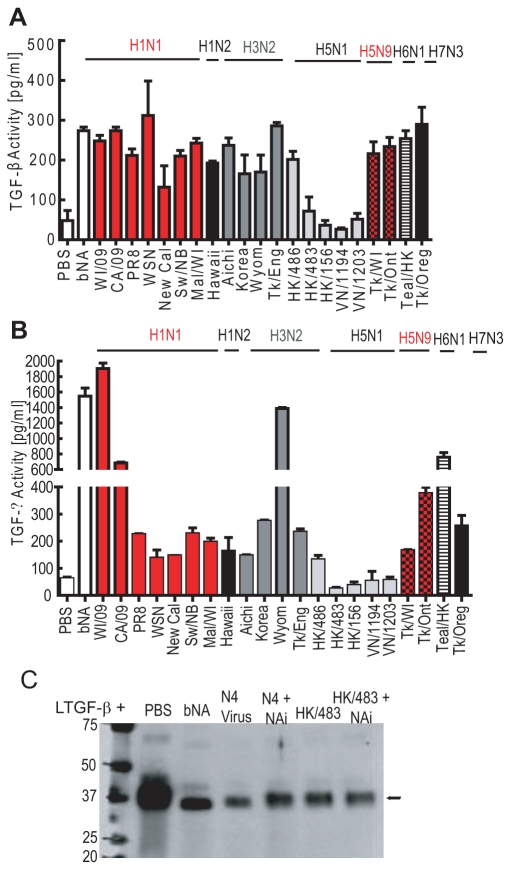
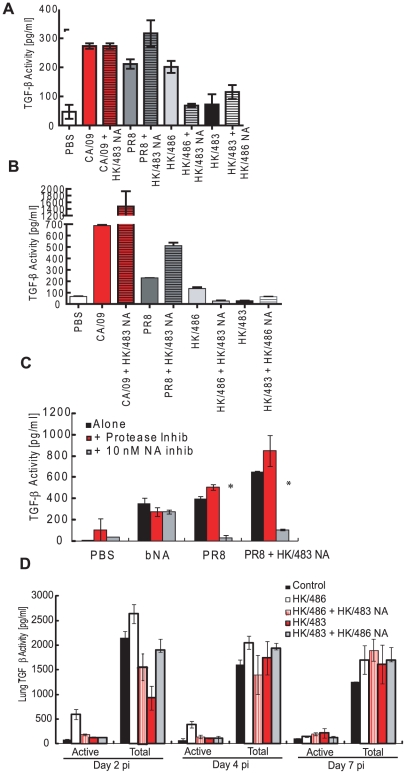
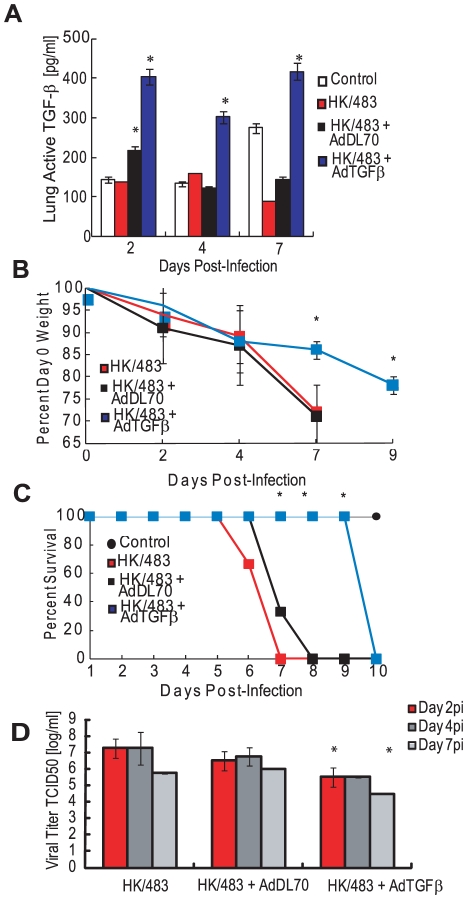
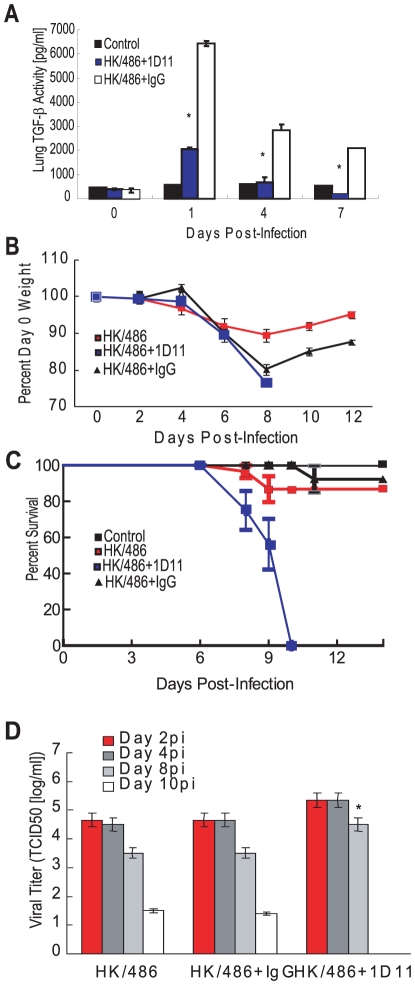
Transforming growth factor-beta (TGF-β), a multifunctional cytokine regulating several immunologic processes, is expressed by virtually all cells as a biologically inactive molecule termed latent TGF-β (LTGF-β). We have previously shown that TGF-β activity increases during influenza virus infection in mice and suggested that the neuraminidase (NA) protein mediates this activation. In the current study, we determined the mechanism of activation of LTGF-β by NA from the influenza virus A/Gray Teal/Australia/2/1979 by mobility shift and enzyme inhibition assays. We also investigated whether exogenous TGF-β administered via a replication-deficient adenovirus vector provides protection from H5N1 influenza pathogenesis and whether depletion of TGF-β during virus infection increases morbidity in mice. We found that both the influenza and bacterial NA activate LTGF-β by removing sialic acid motifs from LTGF-β, each NA being specific for the sialic acid linkages cleaved. Further, NA likely activates LTGF-β primarily via its enzymatic activity, but proteases might also play a role in this process. Several influenza A virus subtypes (H1N1, H1N2, H3N2, H5N9, H6N1, and H7N3) except the highly pathogenic H5N1 strains activated LTGF-β in vitro and in vivo. Addition of exogenous TGF-β to H5N1 influenza virus-infected mice delayed mortality and reduced viral titers whereas neutralization of TGF-β during H5N1 and pandemic 2009 H1N1 infection increased morbidity. Together, these data show that microbe-associated NAs can directly activate LTGF-β and that TGF-β plays a pivotal role protecting the host from influenza pathogenesis.
转化生长因子-β(TGF-β)是一种多功能细胞因子,调节多种免疫过程,几乎所有细胞都表达一种生物学上无活性的分子,称为潜伏 TGF-β(LTGF-β)。我们之前已经表明,在流感病毒感染的小鼠中,TGF-β活性增加,并认为神经氨酸酶(NA)蛋白介导了这种激活。在当前的研究中,我们通过迁移率变化和酶抑制测定法确定了来自流感病毒 A/Gray Teal/Australia/2/1979 的 NA 激活 LTGF-β的机制。我们还研究了通过复制缺陷型腺病毒载体给予外源性 TGF-β是否可以提供对 H5N1 流感发病机制的保护,以及在病毒感染期间 TGF-β的耗竭是否会增加小鼠的发病率。我们发现,流感和细菌 NA 通过从 LTGF-β上除去唾液酸基序来激活 LTGF-β,每种 NA 都针对被切割的唾液酸键特异性。此外,NA 可能主要通过其酶活性激活 LTGF-β,但蛋白酶也可能在该过程中起作用。除了高致病性 H5N1 株外,几种流感 A 病毒亚型(H1N1、H1N2、H3N2、H5N9、H6N1 和 H7N3)在体外和体内均激活 LTGF-β。向 H5N1 流感病毒感染的小鼠中添加外源性 TGF-β可延迟死亡率并降低病毒滴度,而在 H5N1 和大流行性 2009 H1N1 感染期间中和 TGF-β则会增加发病率。总之,这些数据表明,微生物相关的 NAs 可以直接激活 LTGF-β,而 TGF-β在保护宿主免受流感发病机制方面起着关键作用。