Russell Alexander, Orchard Garrick, Dong Yi, Mihalas Stefan, Niebur Ernst, Tapson Jonathan, Etienne-Cummings Ralph
Department of Electrical and Computer Engineering, Johns Hopkins University, Baltimore, MD 21218, USA.
IEEE Trans Neural Netw. 2010 Dec;21(12):1950-62. doi: 10.1109/TNN.2010.2083685. Epub 2010 Oct 18.
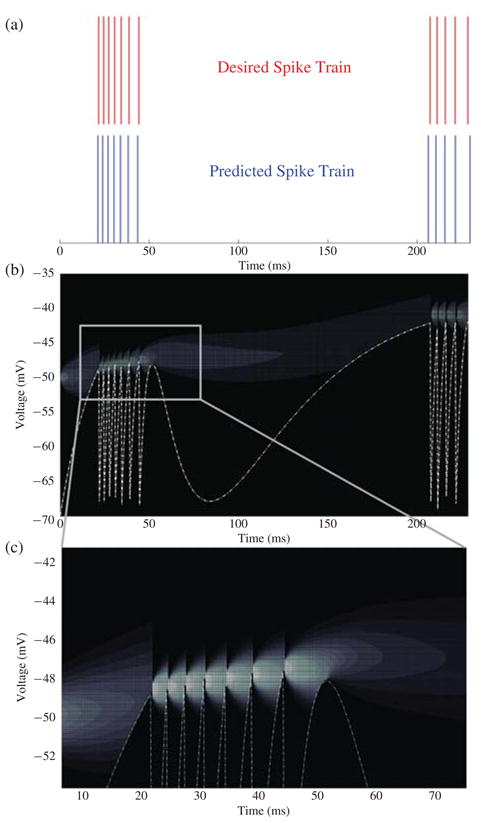
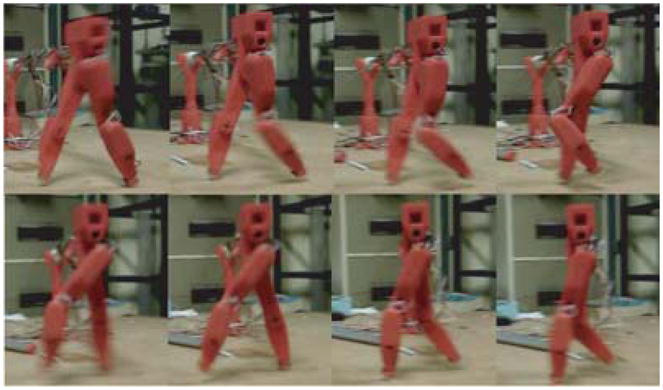
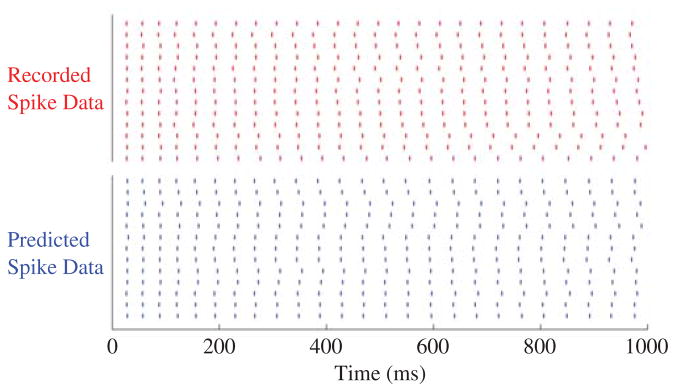
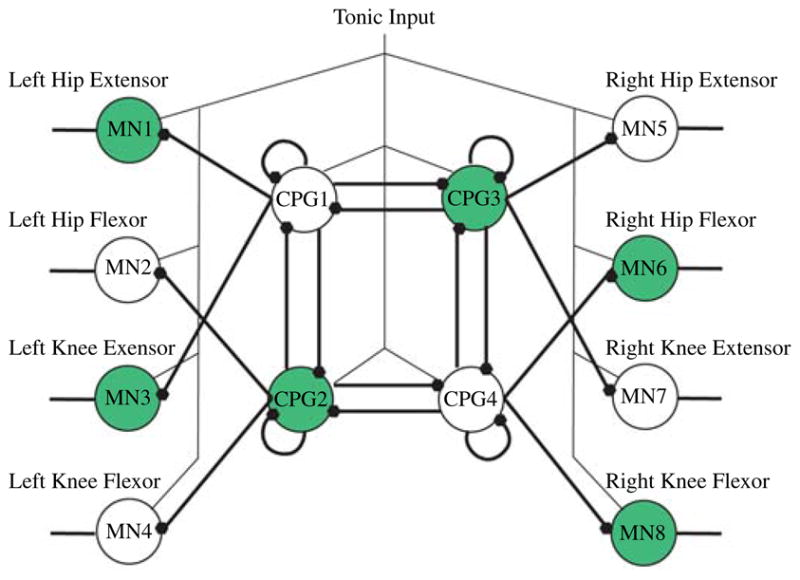
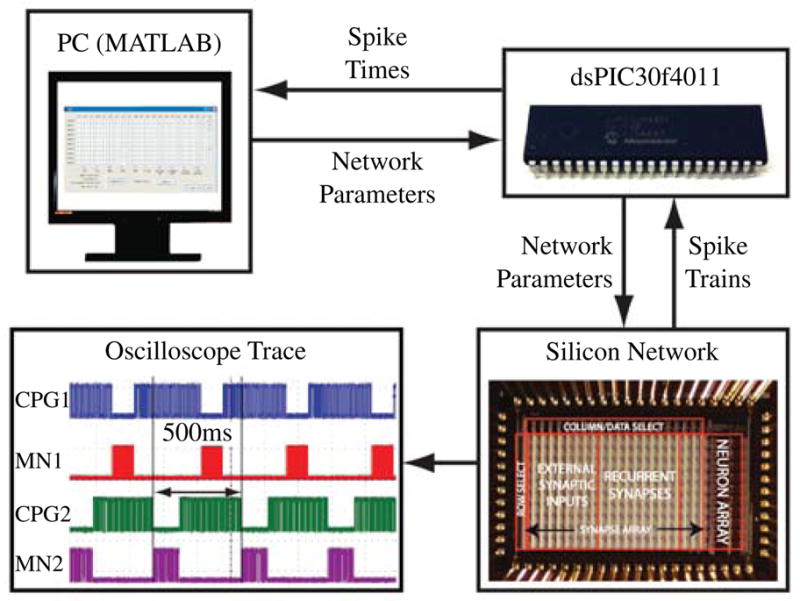
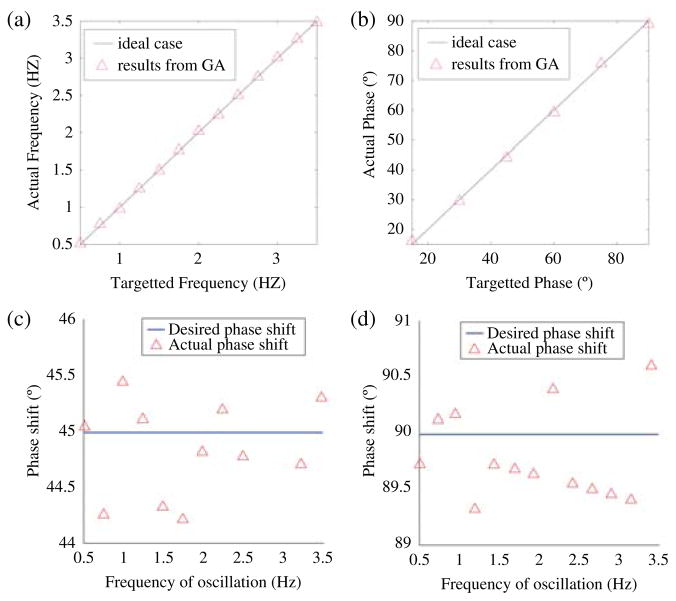
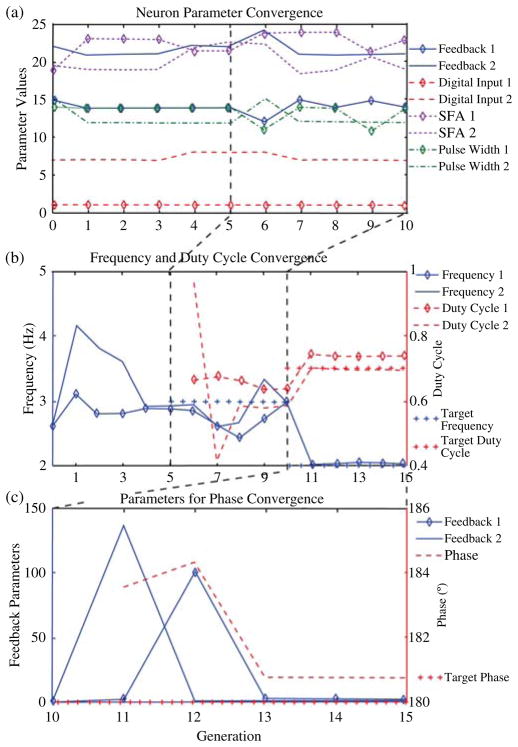
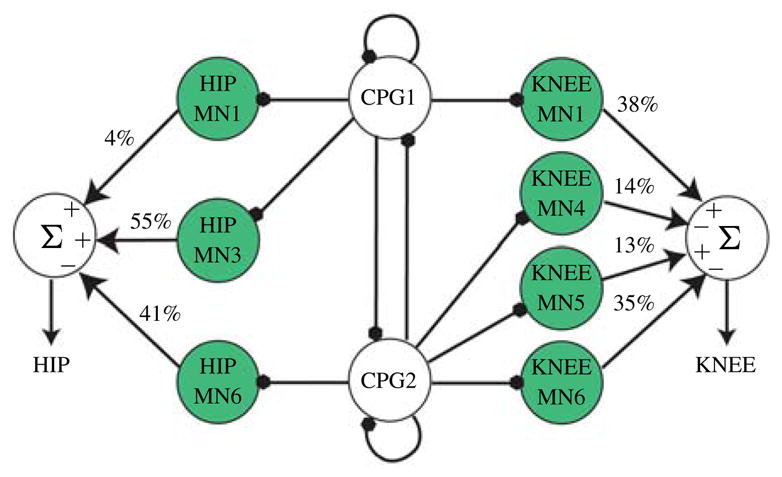
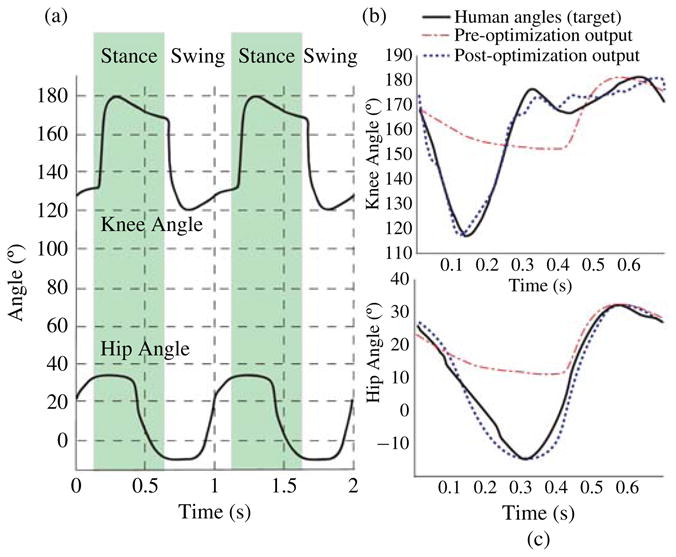
Spiking neurons and spiking neural circuits are finding uses in a multitude of tasks such as robotic locomotion control, neuroprosthetics, visual sensory processing, and audition. The desired neural output is achieved through the use of complex neuron models, or by combining multiple simple neurons into a network. In either case, a means for configuring the neuron or neural circuit is required. Manual manipulation of parameters is both time consuming and non-intuitive due to the nonlinear relationship between parameters and the neuron's output. The complexity rises even further as the neurons are networked and the systems often become mathematically intractable. In large circuits, the desired behavior and timing of action potential trains may be known but the timing of the individual action potentials is unknown and unimportant, whereas in single neuron systems the timing of individual action potentials is critical. In this paper, we automate the process of finding parameters. To configure a single neuron we derive a maximum likelihood method for configuring a neuron model, specifically the Mihalas-Niebur Neuron. Similarly, to configure neural circuits, we show how we use genetic algorithms (GAs) to configure parameters for a network of simple integrate and fire with adaptation neurons. The GA approach is demonstrated both in software simulation and hardware implementation on a reconfigurable custom very large scale integration chip.
脉冲神经元和脉冲神经回路在众多任务中得到应用,如机器人运动控制、神经假体、视觉感官处理和听觉。通过使用复杂的神经元模型,或将多个简单神经元组合成一个网络,可实现所需的神经输出。在这两种情况下,都需要一种配置神经元或神经回路的方法。由于参数与神经元输出之间存在非线性关系,手动操作参数既耗时又不直观。随着神经元联网,复杂性进一步增加,系统往往在数学上变得难以处理。在大型电路中,动作电位序列的期望行为和时间可能是已知的,但单个动作电位的时间是未知且不重要的,而在单神经元系统中,单个动作电位的时间至关重要。在本文中,我们实现了参数查找过程的自动化。为了配置单个神经元,我们推导了一种用于配置神经元模型(具体为米哈拉斯 - 尼布尔神经元)的最大似然方法。同样,为了配置神经回路,我们展示了如何使用遗传算法(GA)为具有适应性的简单积分发放神经元网络配置参数。GA方法在可重构定制超大规模集成芯片上的软件模拟和硬件实现中均得到了验证。