Bryan Jacqueline, Frank Linda A
Department of Small Animal Clinical Sciences, University of Tennessee, 2407 River Drive, C247 Veterinary Teaching Hospital, Knoxville, TN 37996-4544, USA.
J Feline Med Surg. 2010 Nov;12(11):861-6. doi: 10.1016/j.jfms.2010.09.005.
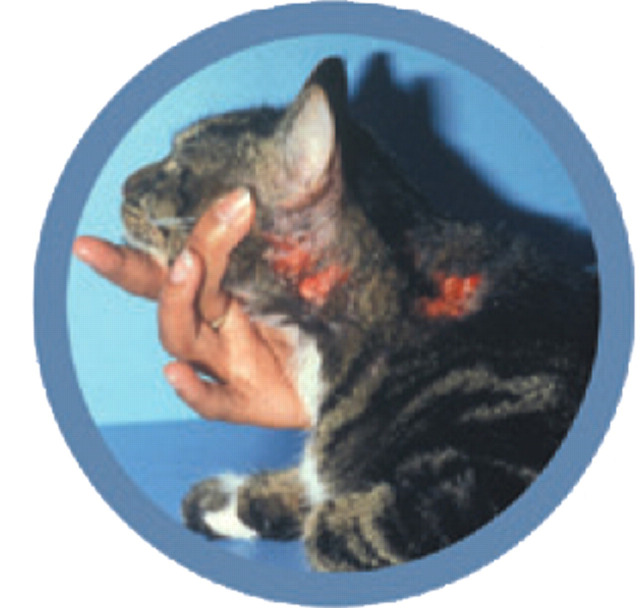
Food allergy is recognized as a cause of non-seasonal dermatologic disease and pruritus in cats, though its exact prevalence remains unknown. Feline food allergy can also be associated with gastrointestinal, neurologic, respiratory and behavioral components.
There are no breed, sex or age predispositions for developing food allergy, though there is some evidence that the Siamese and its crosses may be at increased risk.
Food allergy cannot be diagnosed simply on the basis of the distribution of pruritus, and many of the dermatologic reaction patterns observed in affected cats, such as miliary dermatitis, eosinophilic granuloma complex and alopecia, may be seen in cats with flea allergy and atopy; in some cases, cats may have concurrent allergic conditions. The only way to definitively diagnose food allergy is to identify a causative food component through a food elimination trial. However, palatability and client compliance can each be a problem; specifically, many owners are unwilling to perform a provocation challenge, which is required to confirm a suspected food allergy. For cats in which the existence of a food allergy is confirmed, a suitable maintenance diet then needs to be fed for the remainder of the patient's life.
Recent literature has revealed that there is marked variability in the clinical picture, response to treatment and outcome in food-allergic cats. This article reviews published literature and highlights clinically relevant observations pertinent to feline food allergy.
食物过敏被认为是猫非季节性皮肤病和瘙痒症的一个病因,尽管其确切患病率尚不清楚。猫食物过敏还可能与胃肠道、神经、呼吸和行为方面有关。
食物过敏的发生没有品种、性别或年龄倾向,不过有一些证据表明暹罗猫及其杂交品种可能风险更高。
不能仅凭瘙痒的分布来诊断食物过敏,在受影响的猫身上观察到的许多皮肤反应模式,如粟粒性皮炎、嗜酸性粒细胞肉芽肿复合体和脱毛,在跳蚤过敏和特应性的猫身上也可能出现;在某些情况下,猫可能同时患有多种过敏症。明确诊断食物过敏的唯一方法是通过食物排除试验确定致病的食物成分。然而,适口性和主人的依从性都可能是问题;具体而言,许多主人不愿意进行激发试验,而激发试验是确诊疑似食物过敏所必需的。对于确诊存在食物过敏的猫,需要在其余生喂食合适的维持性日粮。
最近的文献表明,食物过敏的猫在临床表现、治疗反应和预后方面存在显著差异。本文回顾了已发表的文献,并突出了与猫食物过敏相关的临床相关观察结果。