FoodMASTER, Department of Dietetics, Marshall University, One John Marshall Drive, Huntington, WV 25755, USA.
J Sch Health. 2010 Nov;80(11):536-43. doi: 10.1111/j.1746-1561.2010.00539.x.
Children in Appalachia are experiencing high levels of obesity, in large measure because of inferior diets. This study screened the dietary intake of third graders residing in 3 rural Appalachian counties in Ohio and determined whether the Food, Math, and Science Teaching Enhancement Resource Initiative (FoodMASTER) curriculum improved their dietary intake.
Dietary intake was measured for 238 third graders at the beginning of the 2007 to 2008 school year and for 224 third graders at the end of that year. The FoodMASTER curriculum was delivered to 204 students (test group). Intake was measured using the Block Food Frequency Questionnaire 2004. The final analysis included 138 students.
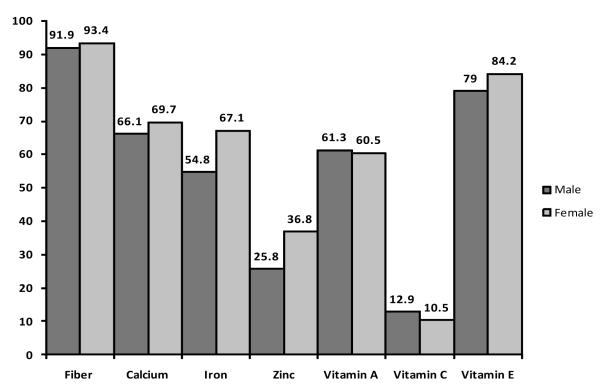
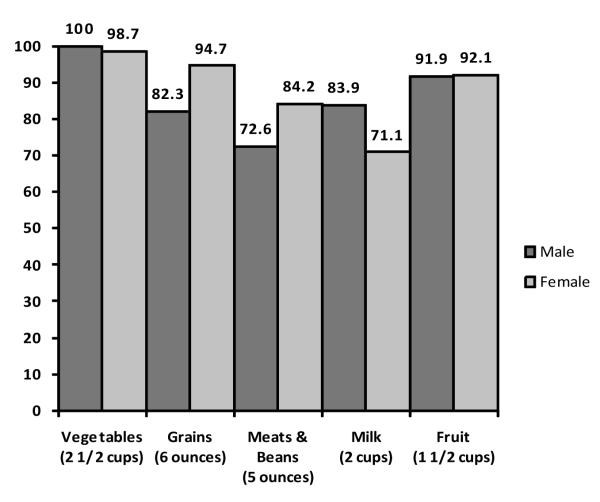
The FoodMASTER curriculum did not significantly affect the diets of the students in the test group, as no significant differences in intake of macronutrients, specific nutrients, or food groups were found between the test and control groups. Majorities of students did not meet the Recommended Dietary Allowance or Adequate Intakes for fiber, calcium, iron, vitamin A, and vitamin E. The students as a whole did not meet the MyPyramid recommendations for any food group, and nearly one fifth of their calories came from sweets. Significant differences in percentages of kilocalories from protein and sweets and in servings of fats, oils, and sweets were seen between groups of higher and lower socioeconomic status.
Energy-dense foods are replacing healthy foods in the diets of Ohio children living in rural Appalachia. The prevalence of poor dietary intake in Appalachia warrants further nutrition interventions involving programming for nutrition, such as future FoodMASTER curricula.
阿巴拉契亚地区的儿童肥胖率很高,很大程度上是由于饮食不佳。本研究对俄亥俄州 3 个农村阿巴拉契亚县的三年级学生的饮食摄入进行了筛查,并确定了食品、数学和科学教学强化资源倡议(FoodMASTER)课程是否改善了他们的饮食摄入。
在 2007 至 2008 学年开始时,对 238 名三年级学生和当年结束时的 224 名三年级学生进行了饮食摄入测量。将 FoodMASTER 课程提供给 204 名学生(实验组)。采用 2004 年布洛克食物频率问卷进行摄入量测量。最终分析包括 138 名学生。
FoodMASTER 课程并未显著影响实验组学生的饮食,因为实验组和对照组之间的宏量营养素、特定营养素或食物组的摄入量均无显著差异。大多数学生没有达到膳食纤维、钙、铁、维生素 A 和维生素 E 的推荐膳食摄入量或适宜摄入量。学生总体上没有达到 MyPyramid 对任何食物组的推荐摄入量,并且他们摄入的卡路里有近五分之一来自甜食。高收入和低收入社会经济群体之间的蛋白质和甜食的卡路里百分比以及脂肪、油和甜食的份数存在显著差异。
在俄亥俄州农村阿巴拉契亚地区生活的儿童饮食中,高热量食物正在取代健康食物。阿巴拉契亚地区不良饮食摄入的普遍存在需要进一步的营养干预,包括营养计划,如未来的 FoodMASTER 课程。