Department of Psychiatry and Behavioral Sciences, School of Medicine, Stanford University, Stanford, CA 94305, USA.
Neuroimage. 2011 Feb 14;54(4):2808-21. doi: 10.1016/j.neuroimage.2010.10.069. Epub 2010 Nov 1.
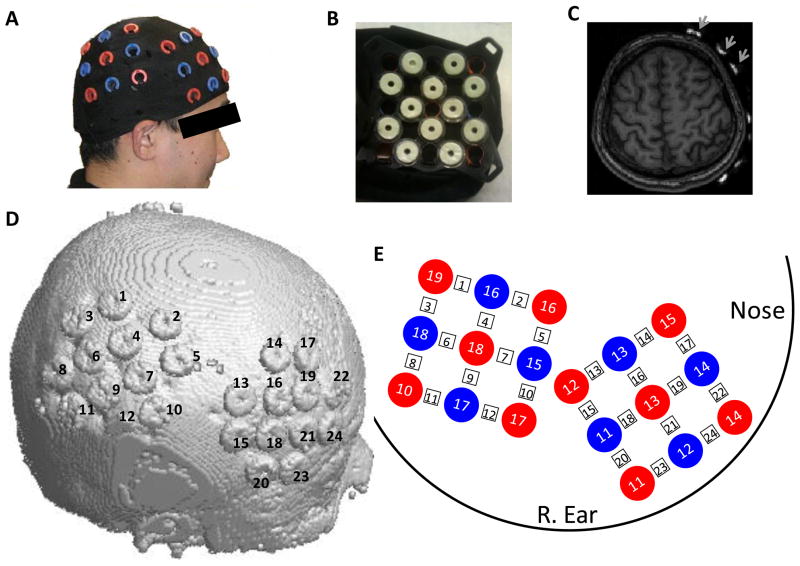
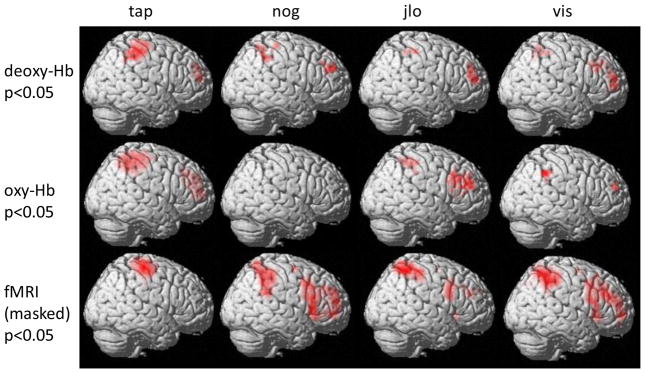
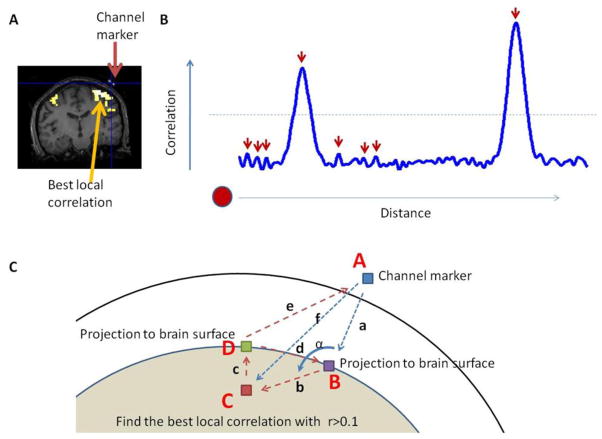
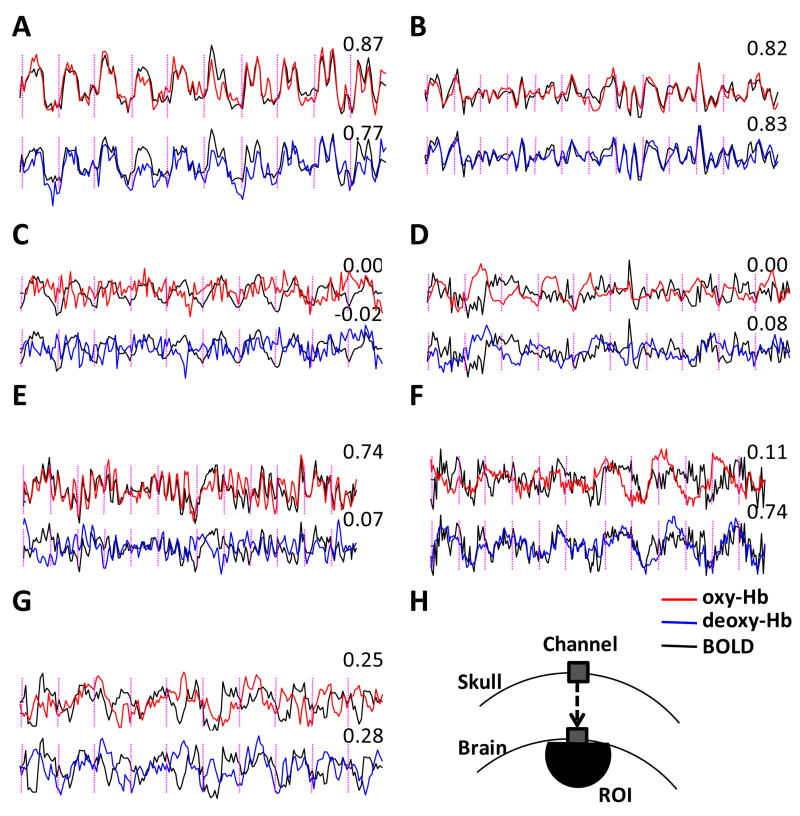
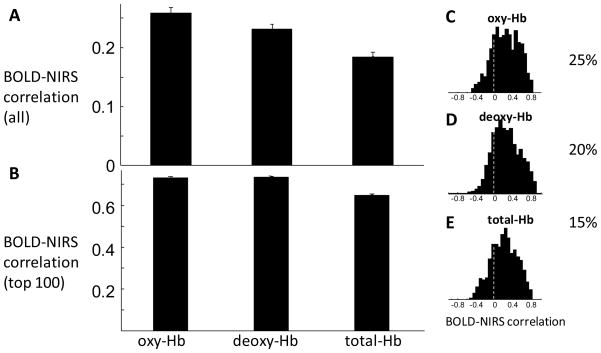
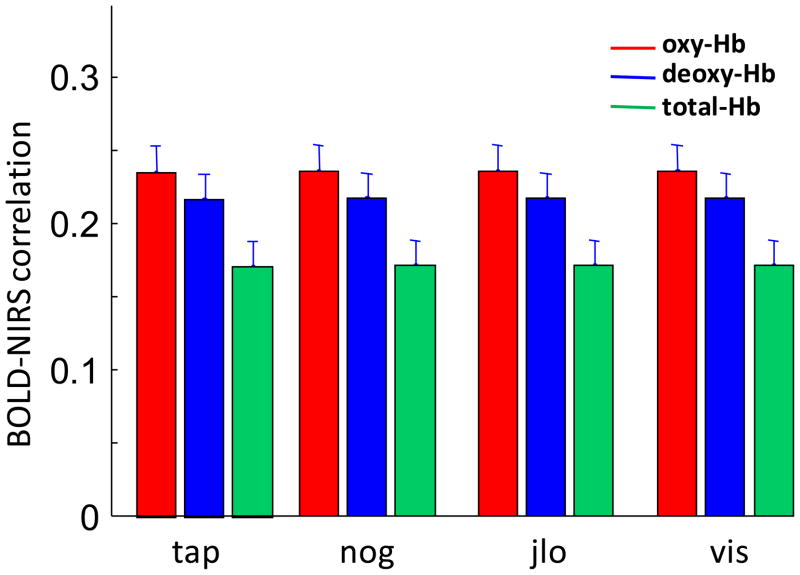
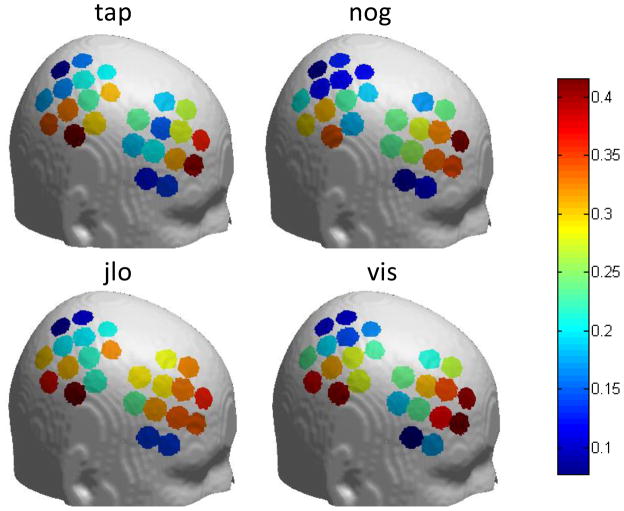
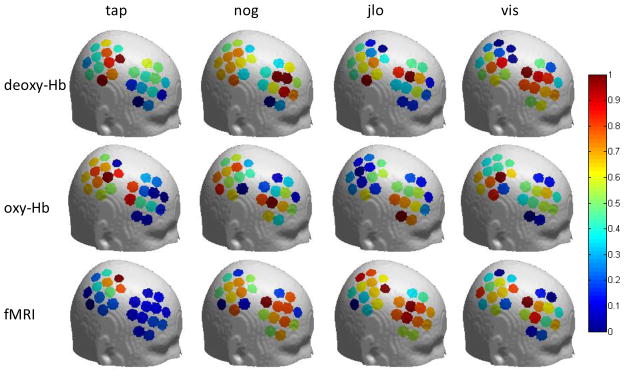
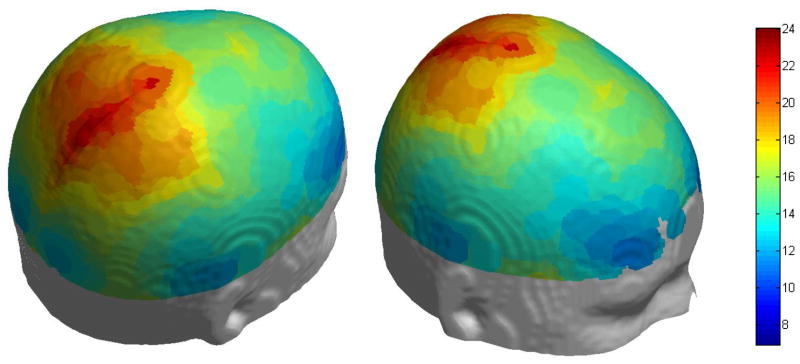
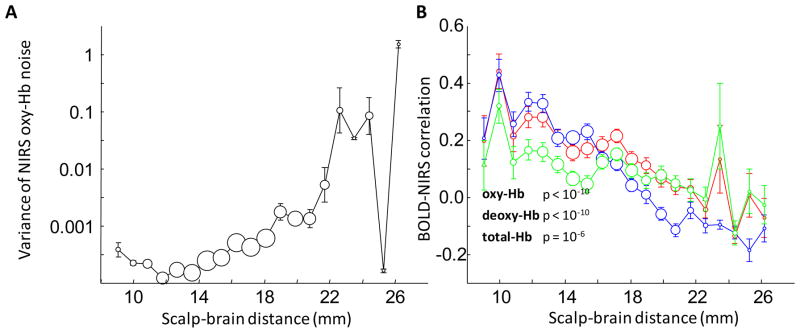
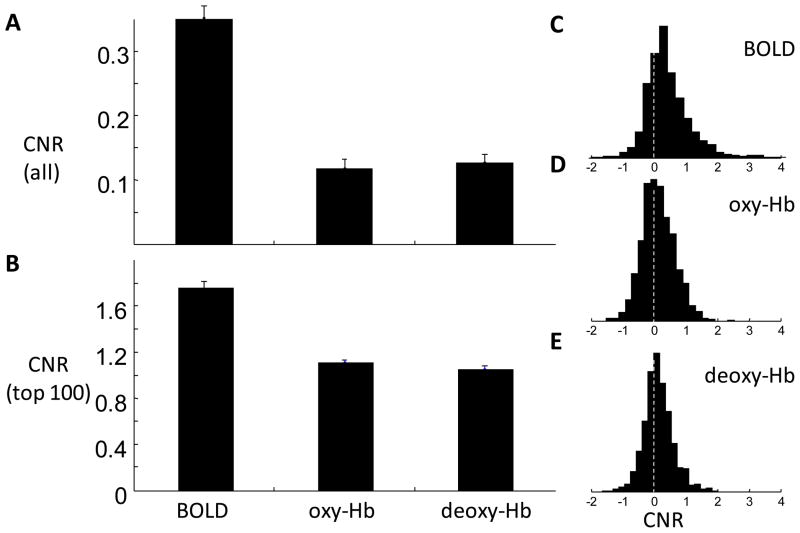
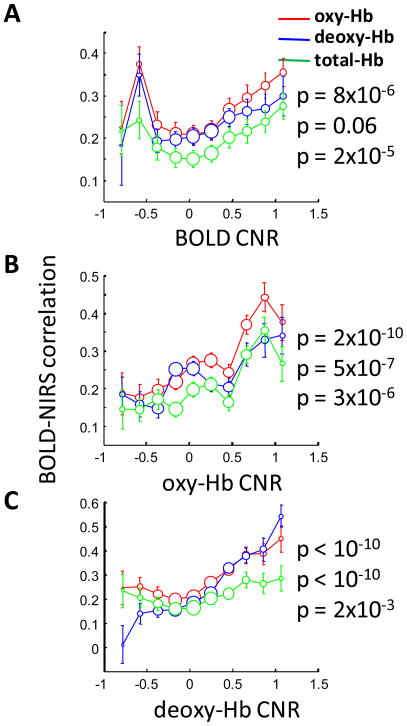
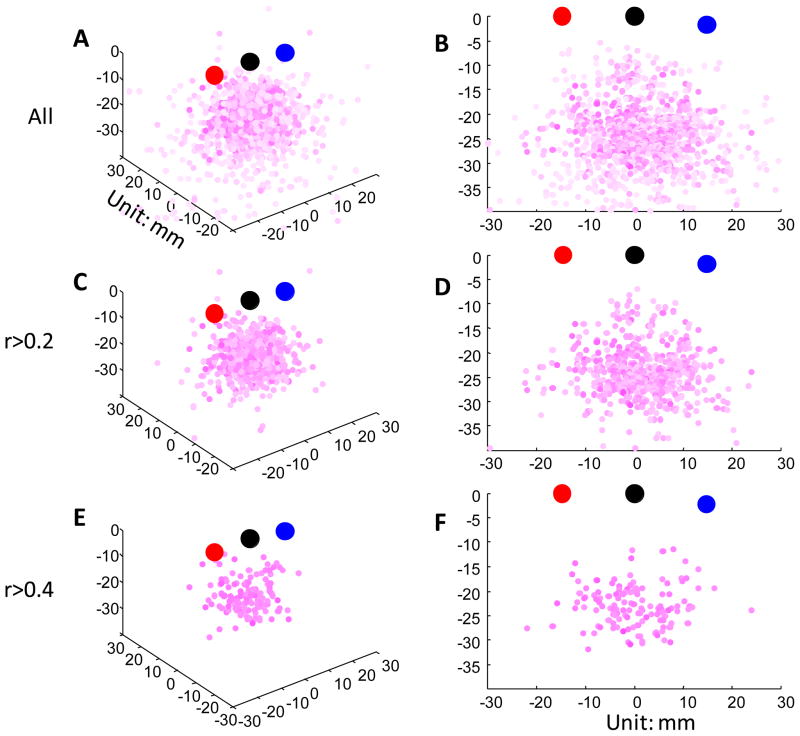
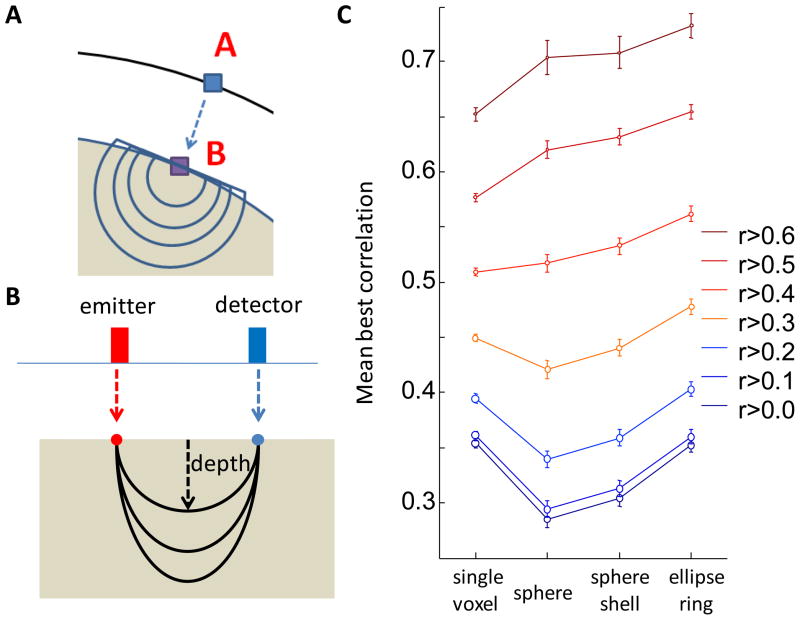
Near infrared spectroscopy (NIRS) is an increasingly popular technology for studying brain function. NIRS presents several advantages relative to functional magnetic resonance imaging (fMRI), such as measurement of concentration changes in both oxygenated and deoxygenated hemoglobin, finer temporal resolution, and ease of administration, as well as disadvantages, most prominently inferior spatial resolution and decreased signal-to-noise ratio (SNR). While fMRI has become the gold standard for in vivo imaging of the human brain, in practice NIRS is a more convenient and less expensive technology than fMRI. It is therefore of interest to many researchers how NIRS compares to fMRI in studies of brain function. In the present study we scanned participants with simultaneous NIRS and fMRI on a battery of cognitive tasks, placing NIRS probes over both frontal and parietal brain regions. We performed detailed comparisons of the signals in both temporal and spatial domains. We found that NIRS signals have significantly weaker SNR, but are nonetheless often highly correlated with fMRI measurements. Both SNR and the distance between the scalp and the brain contributed to variability in the NIRS/fMRI correlations. In the spatial domain, we found that a photon path forming an ellipse between the NIRS emitter and detector correlated most strongly with the BOLD response. Taken together these findings suggest that, while NIRS can be an appropriate substitute for fMRI for studying brain activity related to cognitive tasks, care should be taken when designing studies with NIRS to ensure that: 1) the spatial resolution is adequate for answering the question of interest and 2) the design accounts for weaker SNR, especially in brain regions more distal from the scalp.
近红外光谱(NIRS)是一种越来越受欢迎的研究大脑功能的技术。NIRS 相对于功能磁共振成像(fMRI)具有多个优势,例如测量氧合和去氧血红蛋白的浓度变化、更高的时间分辨率、易于管理,以及一些劣势,最明显的是空间分辨率较低和信噪比(SNR)降低。虽然 fMRI 已成为人类大脑活体成像的金标准,但在实践中,NIRS 比 fMRI 更方便且成本更低。因此,许多研究人员都对 NIRS 在大脑功能研究中与 fMRI 的比较感兴趣。在本研究中,我们对一组认知任务同时进行了 NIRS 和 fMRI 扫描,在额部和顶叶脑区放置了 NIRS 探头。我们在时间和空间域中对信号进行了详细比较。我们发现,NIRS 信号的 SNR 显著较弱,但与 fMRI 测量值高度相关。SNR 和头皮与大脑之间的距离都会影响 NIRS/fMRI 相关性的可变性。在空间域中,我们发现,NIRS 发射器和探测器之间形成椭圆形的光子路径与 BOLD 反应相关性最强。这些发现表明,虽然 NIRS 可以替代 fMRI 研究与认知任务相关的大脑活动,但在设计 NIRS 研究时应注意以下几点:1)空间分辨率足以回答感兴趣的问题;2)设计应考虑到 SNR 较弱的问题,尤其是在距离头皮较远的脑区。