Centre for Cardiovascular Sciences and MRC Centre for Immune Regulation, College of Medical and Dental Sciences, The University of Birmingham, Birmingham B15 2TT, UK.
Exp Cell Res. 2011 Feb 1;317(3):276-92. doi: 10.1016/j.yexcr.2010.10.022. Epub 2010 Nov 4.
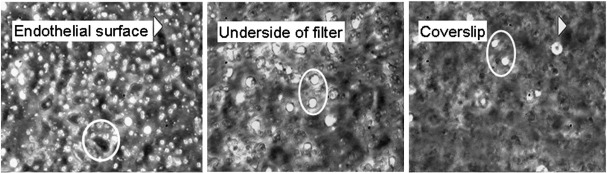
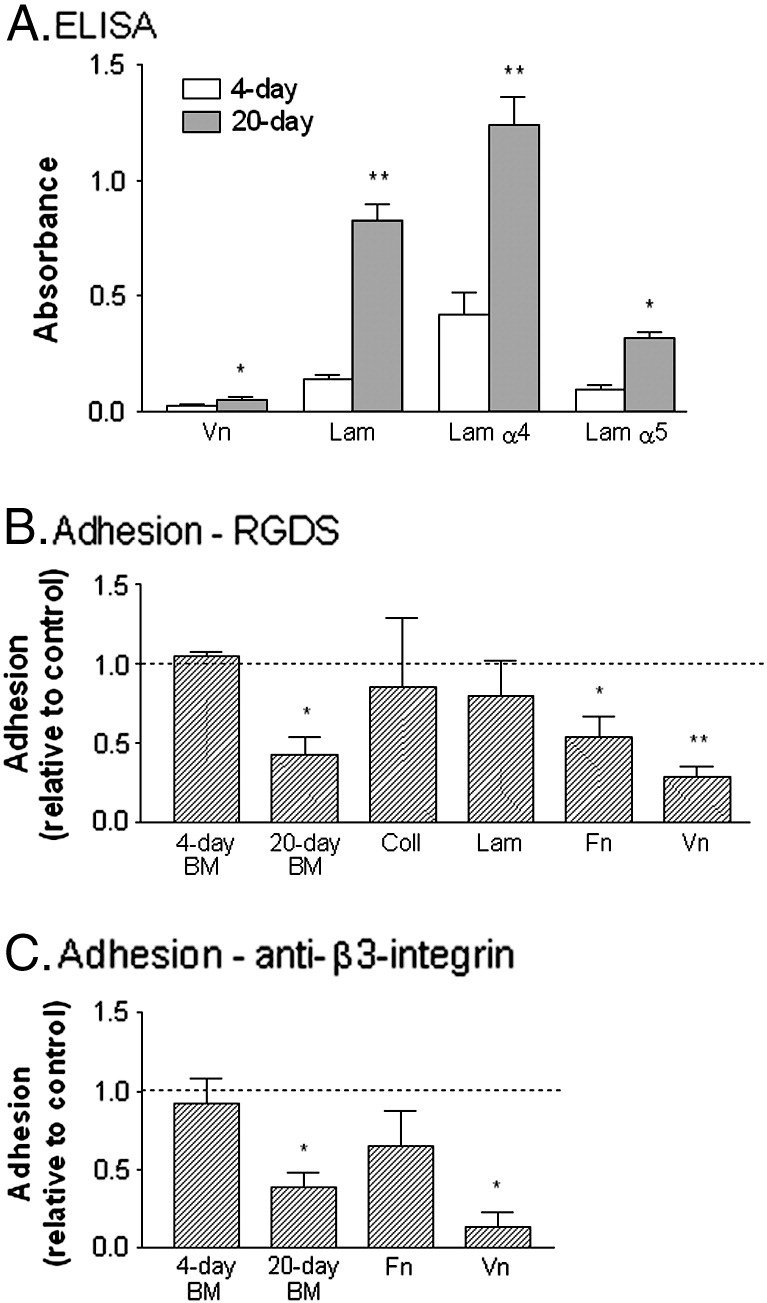
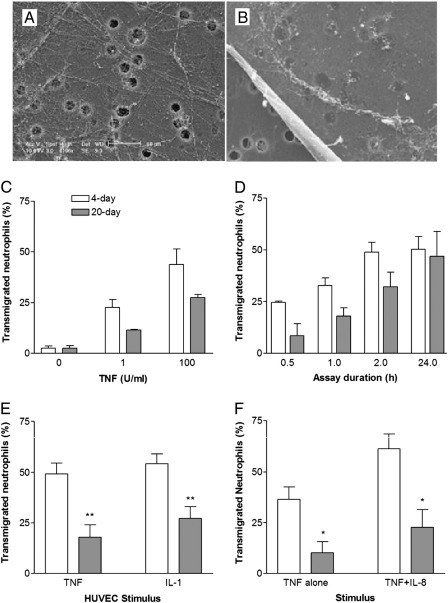
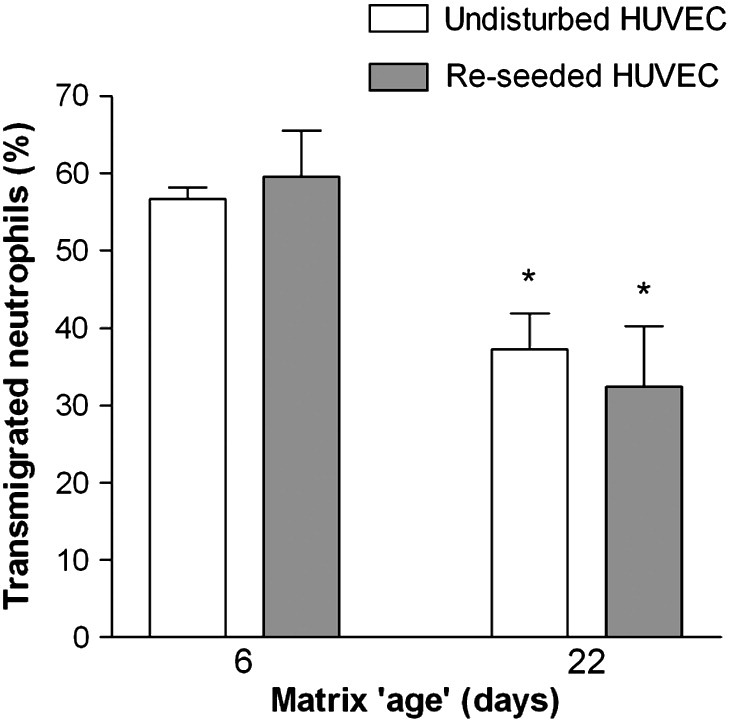
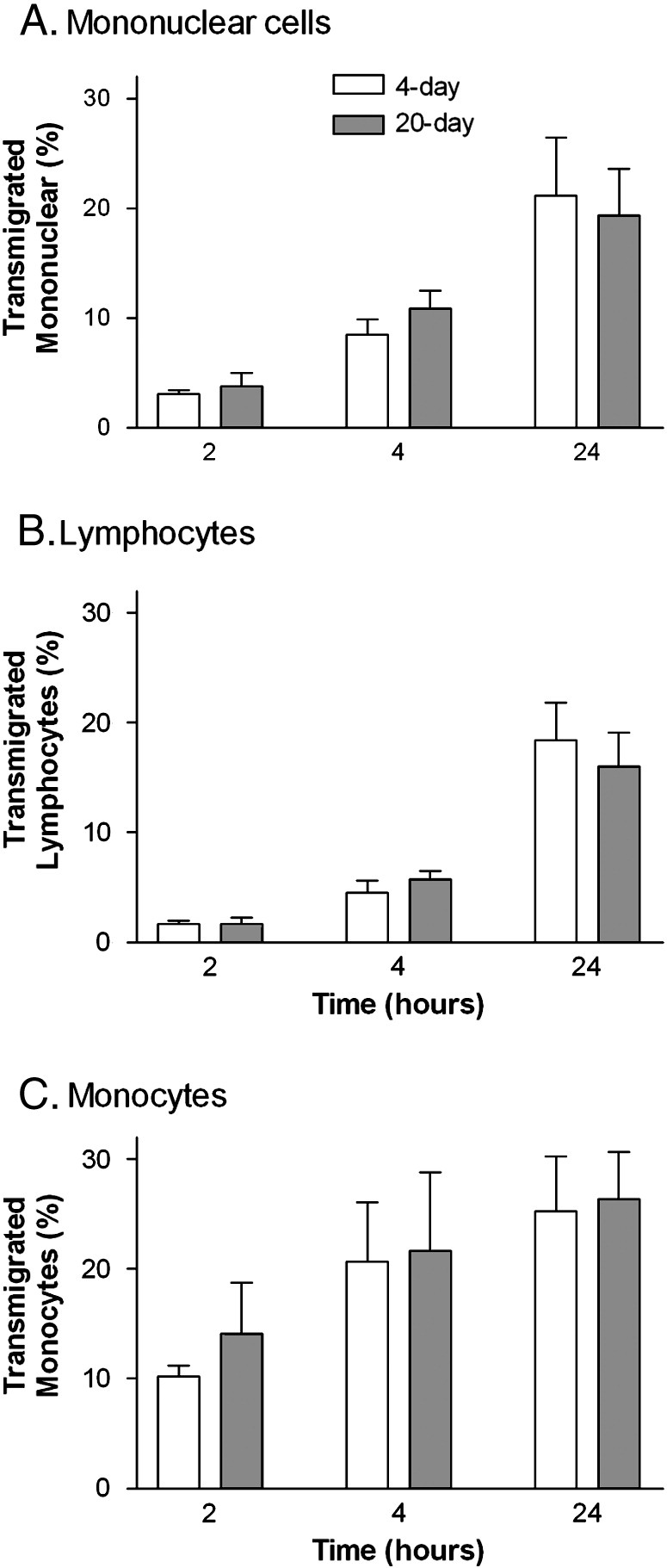
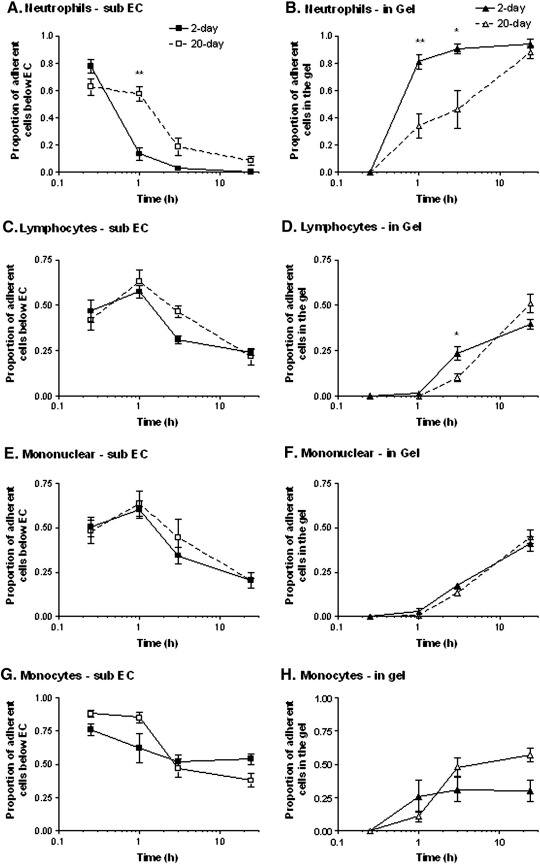
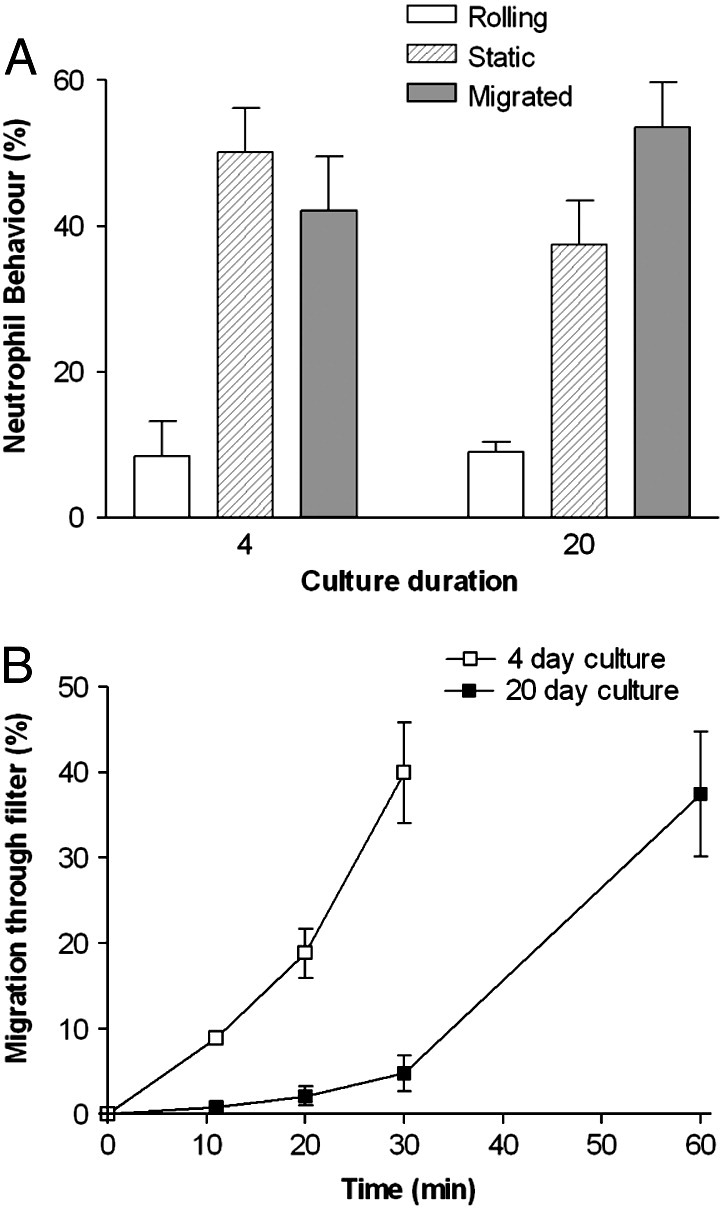
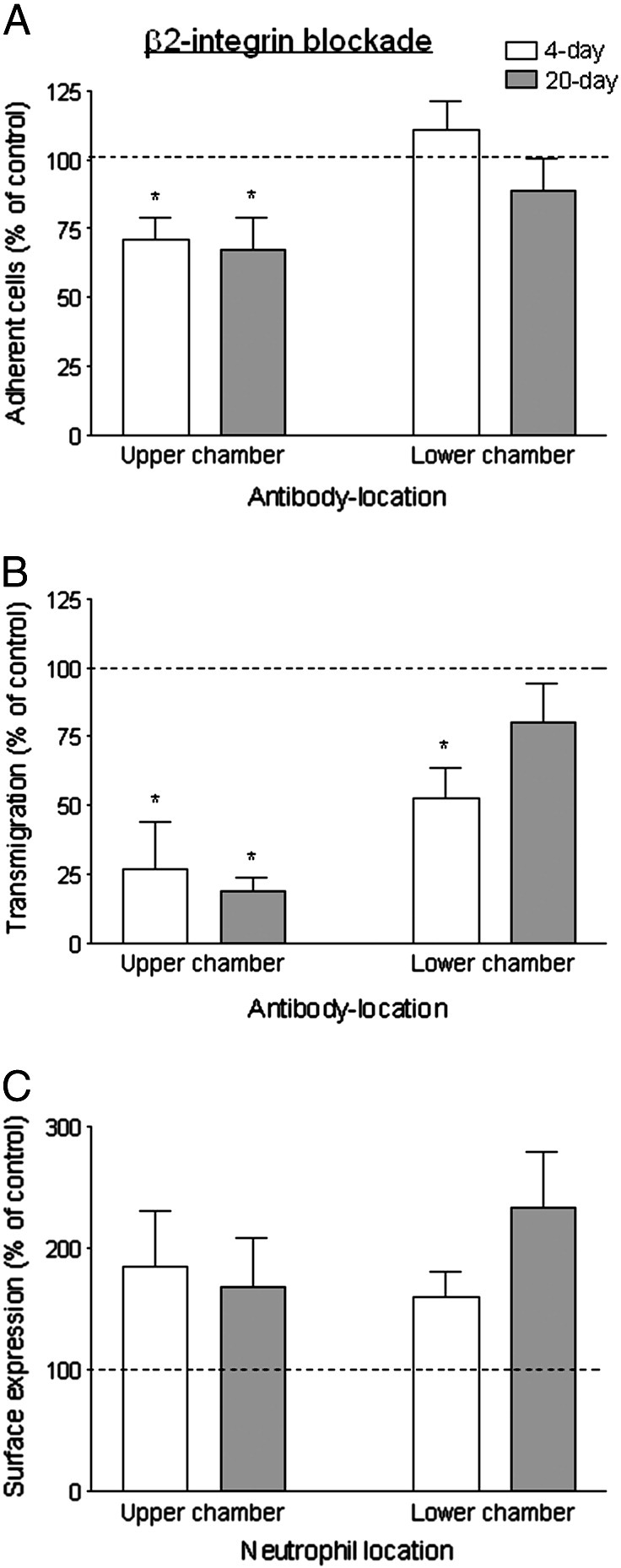
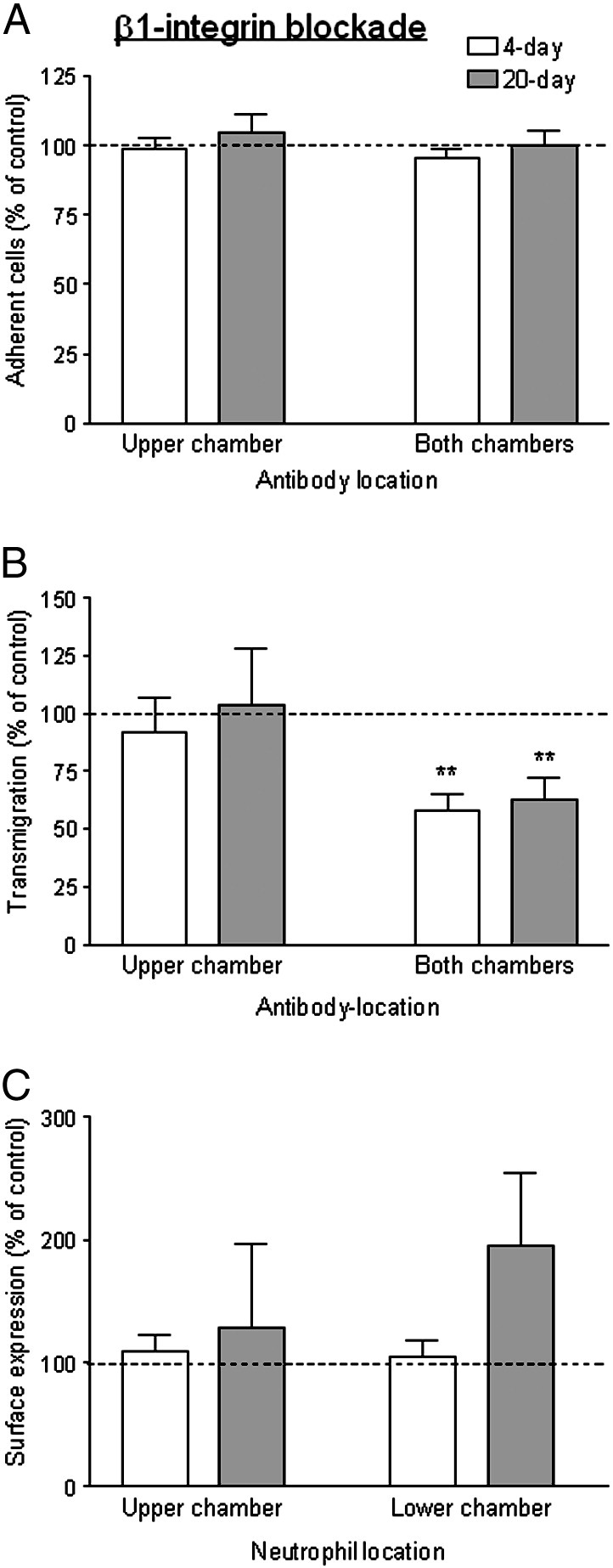
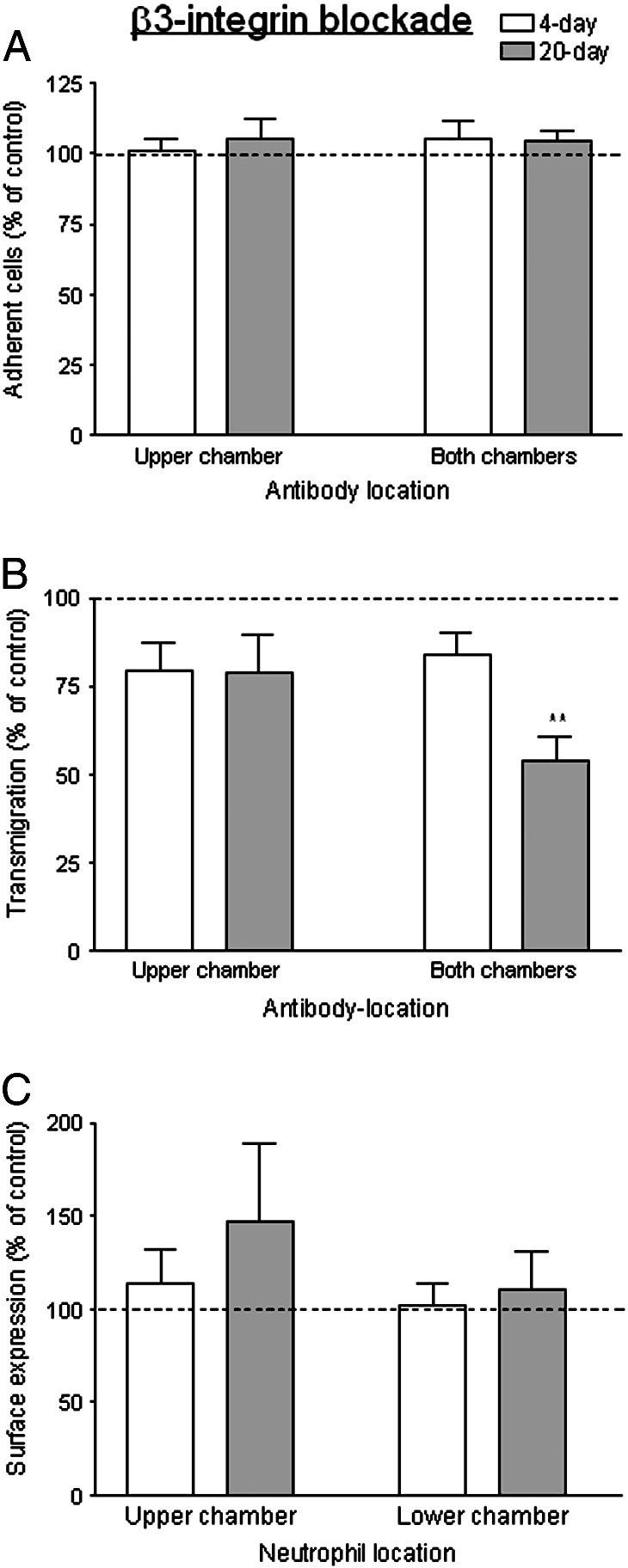
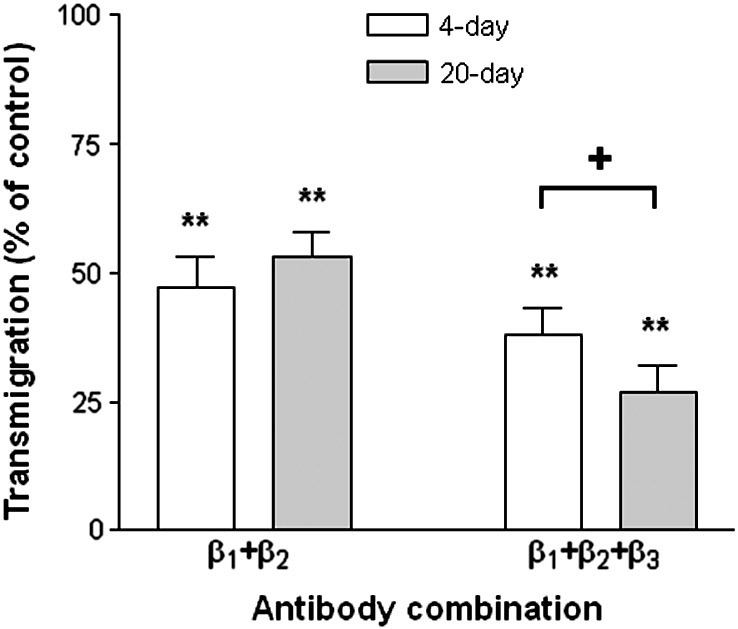
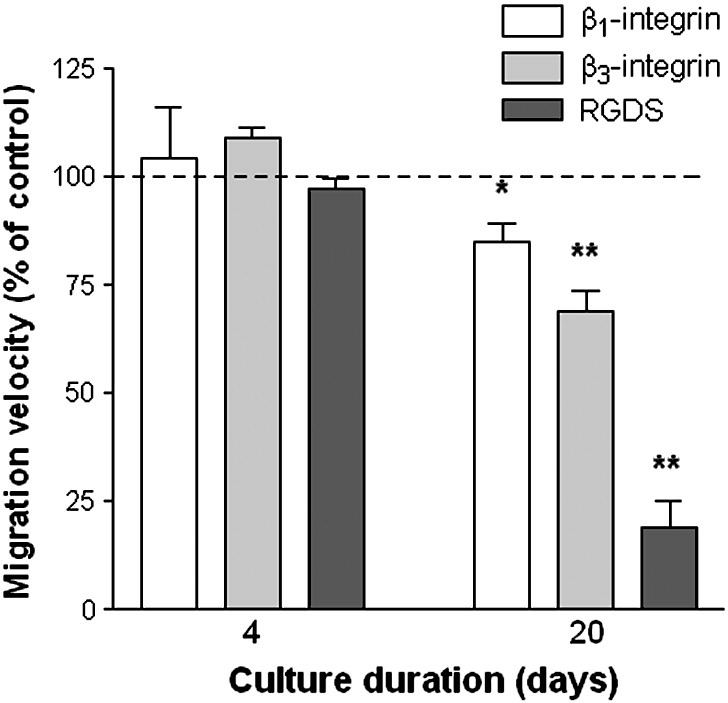
We investigated the migration of human leukocytes through endothelial cells (EC), and particularly their underlying basement membrane (BM). EC were cultured for 20days on 3μm-pore filters or collagen gels to form a distinct BM, and then treated with tumour necrosis factor-α, interleukin-1β or interferon-γ. Neutrophil migration through the cytokine-treated EC and BM was delayed for 20-day compared to 4-day cultures. The BM alone obstructed chemotaxis of neutrophils, and if fresh EC were briefly cultured on stripped BM, there was again a hold-up in migration. In studies with lymphocytes and monocytes, we could detect little hold-up of migration for 20-day versus 4-day cultures, in either the filter- or gel-based models. Direct microscopic observations showed that BM also held-up neutrophil migration under conditions of flow. Treatment of upper and/or lower compartments of filters with antibodies against integrins, showed that neutrophil migration through the endothelial monolayer was dependent on β(2)-integrins, but not β1- or β(3)-integrins. Migration from the subendothelial compartment was supported by β1- and β(2)-integrins for all cultures, but blockade of β(3)-integrin only inhibited migration effectively for 20-day cultures. Flow cytometry indicated that there was no net increase in expression of β1- or β3-integrins during neutrophil migration, and that their specific subendothelial function was likely dependent on turnover of integrins during migration. These studies show that BM is a distinct barrier to migration of human neutrophils, and that β(3)-integrins are particularly important in crossing this barrier. The lesser effect of BM on lymphocytes and monocytes supports the concept that crossing the BM is a separate, leukocyte-specific, regulated step in migration.
我们研究了人类白细胞通过内皮细胞(EC)的迁移,特别是它们的基底膜(BM)。EC 在 3μm 孔过滤器或胶原凝胶上培养 20 天以形成明显的 BM,然后用肿瘤坏死因子-α、白细胞介素-1β 或干扰素-γ处理。与 4 天培养物相比,经细胞因子处理的 EC 和 BM 中中性粒细胞的迁移延迟了 20 天。BM 本身就阻止了中性粒细胞的趋化性,如果将新鲜 EC 短暂培养在剥除 BM 的基底膜上,迁移也会再次受阻。在淋巴细胞和单核细胞的研究中,我们可以检测到,无论是在过滤器还是凝胶模型中,20 天培养物的迁移阻滞都很少。直接显微镜观察表明,在流动条件下,BM 也会阻碍中性粒细胞的迁移。用针对整合素的抗体处理过滤器的上腔和/或下腔,表明中性粒细胞通过内皮单层的迁移依赖于β(2)-整合素,但不依赖于β1-或β(3)-整合素。所有培养物的亚内皮隔室的迁移都得到了β1-和β(2)-整合素的支持,但只有阻断β(3)-整合素才能有效抑制 20 天培养物的迁移。流式细胞术表明,在中性粒细胞迁移过程中,β1-或β3-整合素的表达没有净增加,其特定的亚内皮功能可能依赖于整合素在迁移过程中的更新。这些研究表明,BM 是人类中性粒细胞迁移的一个独特屏障,β(3)-整合素在穿过这个屏障方面尤为重要。BM 对淋巴细胞和单核细胞的影响较小,支持这样一种观点,即穿过 BM 是迁移过程中一个独立的、白细胞特异性的、受调控的步骤。