Department of Biochemistry and Molecular Biology.
Int J Womens Health. 2010 Aug 9;2:153-66. doi: 10.2147/ijwh.s6907.
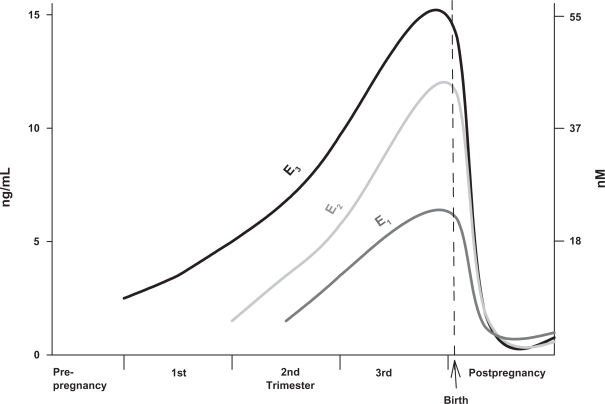
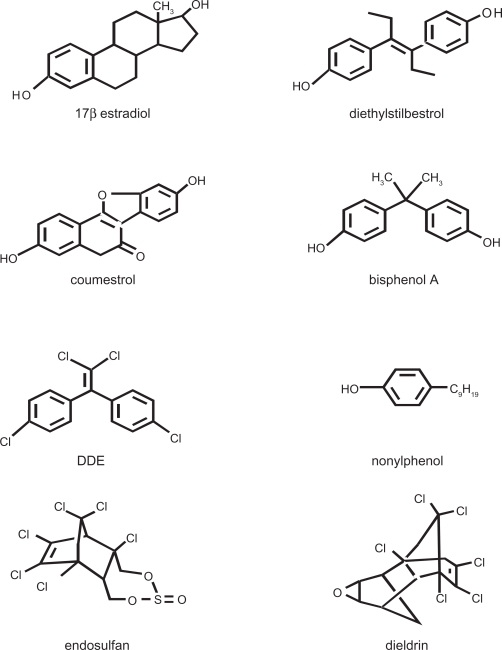
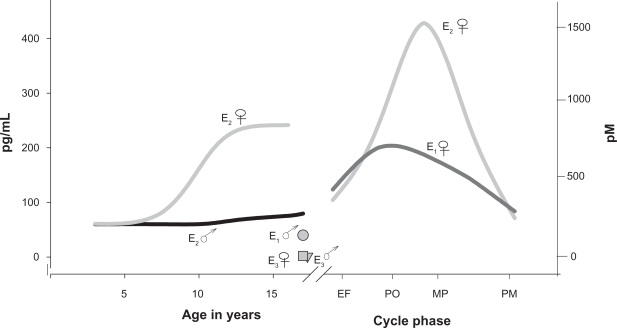
Gender and sex hormones can influence a variety of mental health states, including mood, cognitive development and function, and vulnerability to neurodegenerative diseases and brain damage. Functions of neuronal cells may be altered by estrogens depending upon the availability of different physiological estrogenic ligands; these ligands and their effects vary with life stages, the genetic or postgenetic regulation of receptor levels in specific tissues, or the intercession of competing nonphysiological ligands (either intentional or unintentional, beneficial to health or not). Here we review evidence for how different estrogens (physiological and environmental/dietary), acting via different estrogen receptor subtypes residing in alternative subcellular locations, influence brain functions and behavior. We also discuss the families of receptors and transporters for monoamine neurotransmitters and how they may interact with the estrogenic signaling pathways.
性别和性激素会影响多种心理健康状态,包括情绪、认知发展和功能,以及易患神经退行性疾病和脑损伤的风险。神经元细胞的功能可能会被雌激素改变,这取决于不同生理雌激素配体的可用性;这些配体及其作用随生命阶段、特定组织中受体水平的遗传或后遗传调节或竞争非生理配体(无论是有意还是无意的,对健康有益还是有害)的介入而变化。在这里,我们回顾了不同的雌激素(生理和环境/饮食)如何通过位于不同亚细胞位置的不同雌激素受体亚型发挥作用,从而影响大脑功能和行为的证据。我们还讨论了单胺神经递质的受体和转运体家族以及它们如何与雌激素信号通路相互作用。