Department of Oncology, the Affiliated Nanjing First Hospital, Nanjing Medical University, Nanjing, PR China.
Oncogene. 2011 Mar 10;30(10):1229-40. doi: 10.1038/onc.2010.504. Epub 2010 Nov 15.
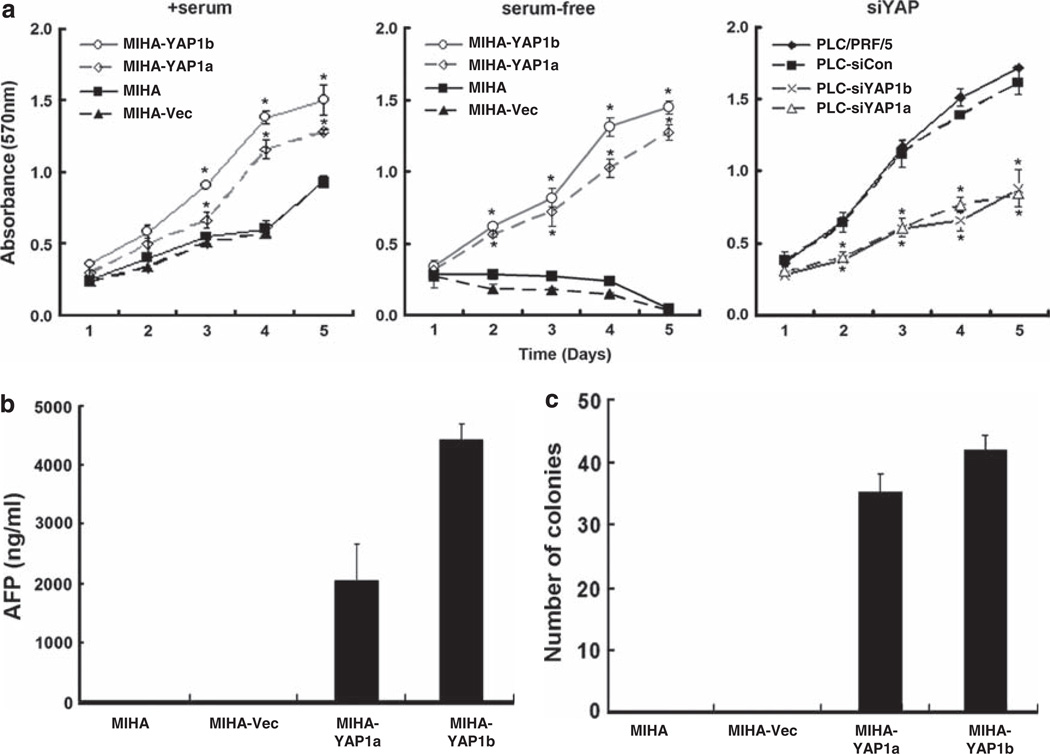
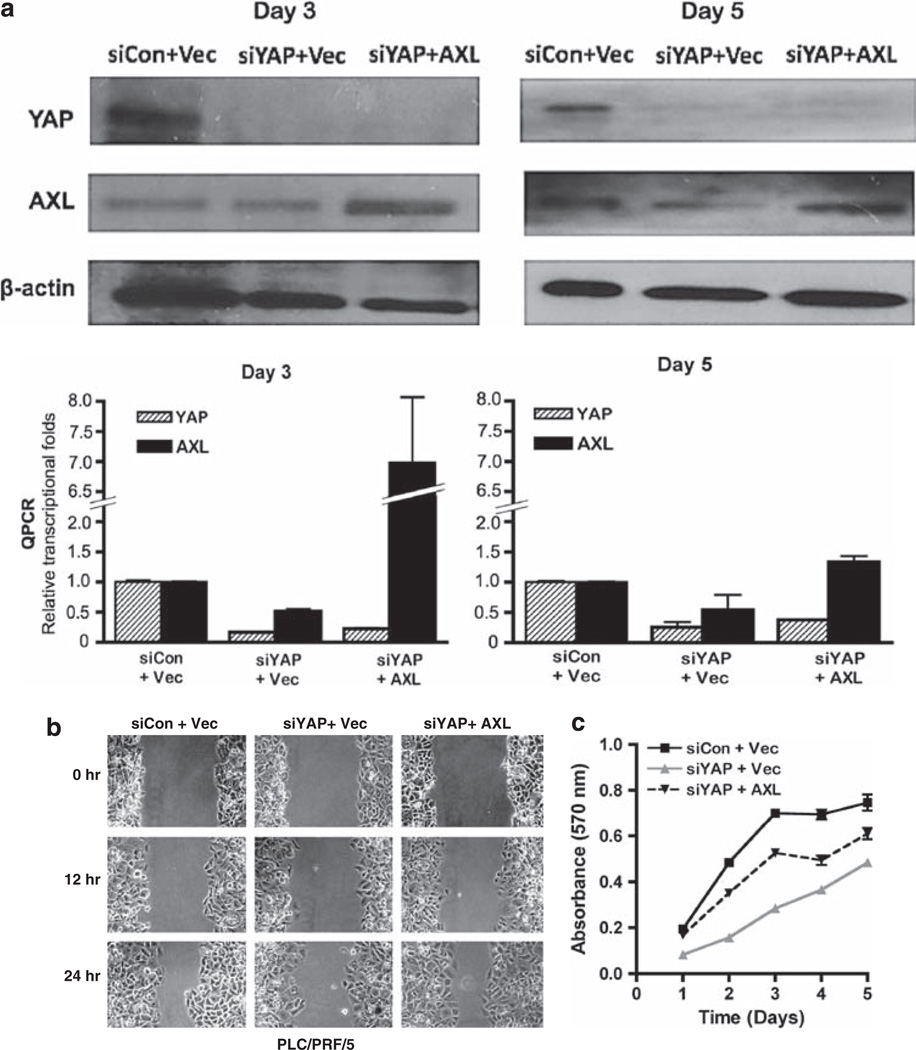
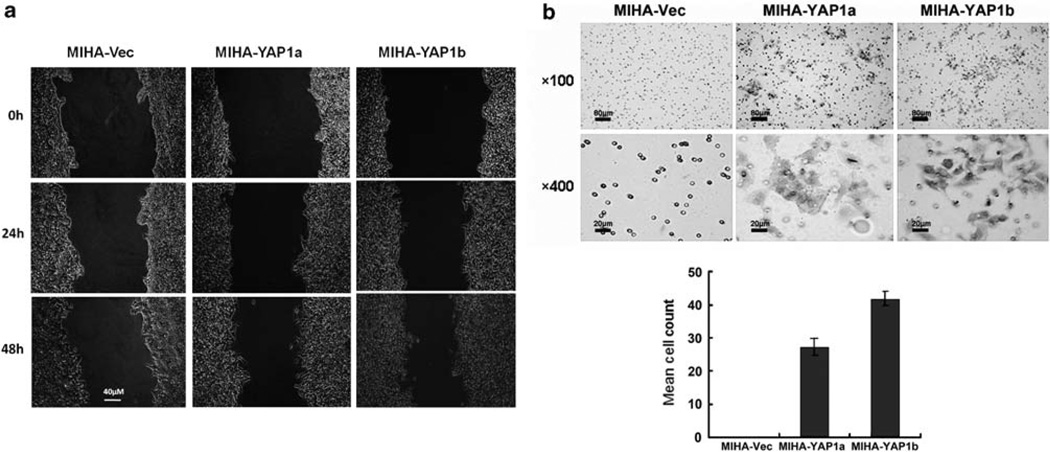
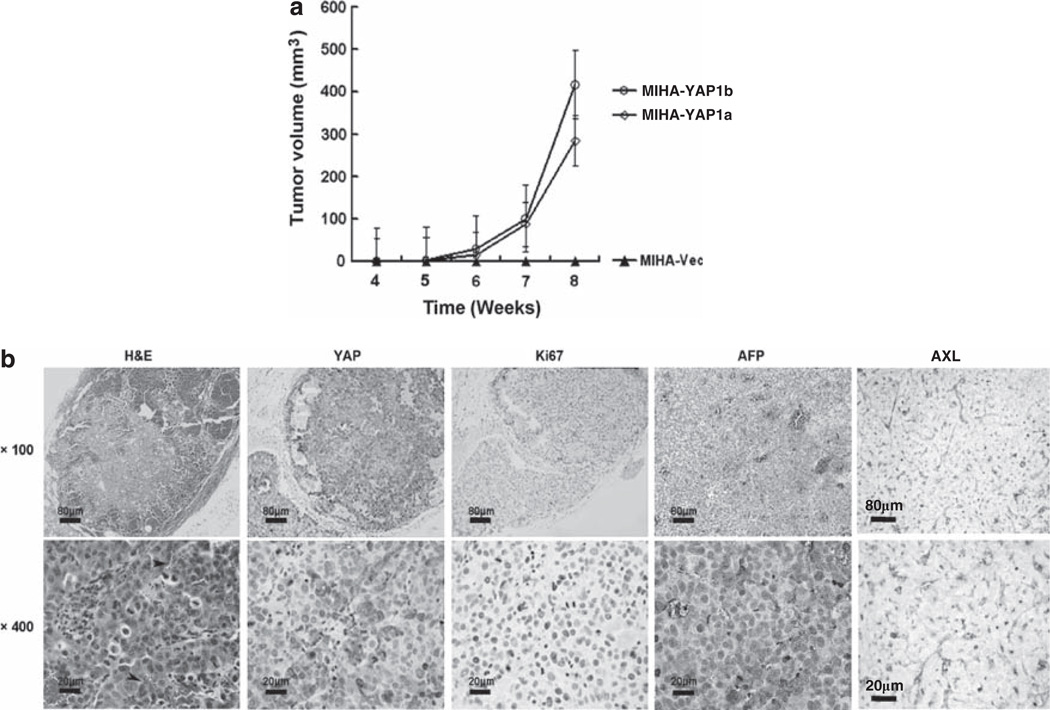
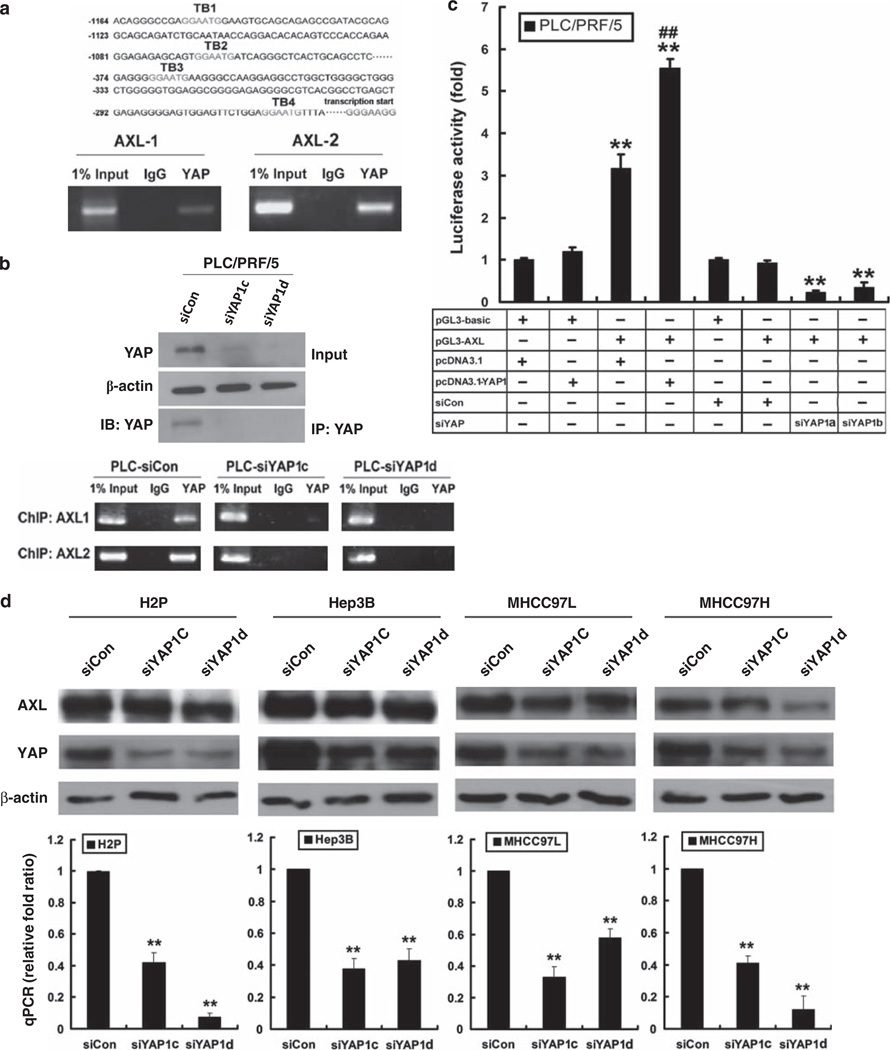
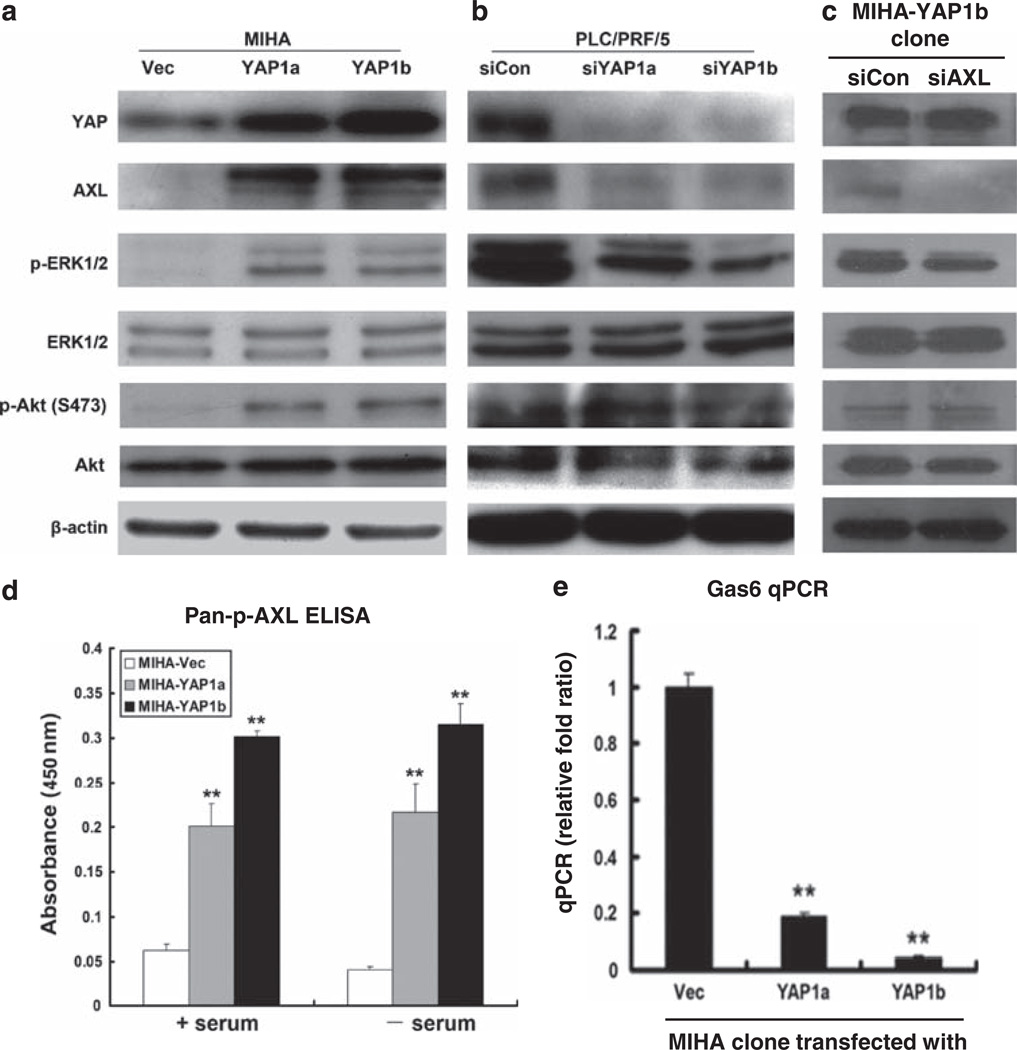
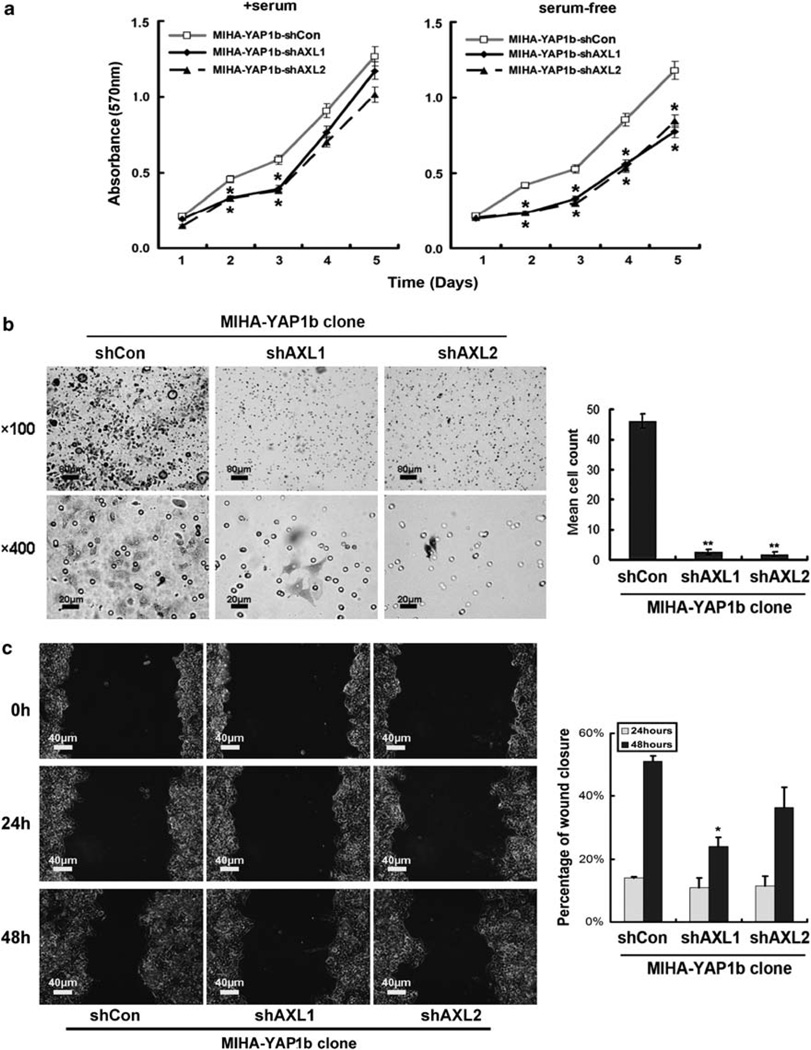
Yes-associated protein (YAP) is a downstream effector of the Hippo signaling pathway, which controls organ expansion and tissue development. We have recently defined the tumorigenic potential and clinical significance of the YAP1 oncogene in human hepatocellular carcinoma (HCC). The present study aims to define the tumorigenic properties of YAP in HCC and elucidate the related downstream signaling mechanism. In a gain-of-function study, we demonstrated that ectopic increased expression of YAP in the immortalized non-tumorigenic hepatocyte cell line MIHA confers tumorigenic and metastatic potentials, as evidenced by (1) enhanced aptitudes in cell viability, anchorage-independent growth, migration and invasion; (2) tumor formation in a xenograft mouse model; and (3) induction of HCC biomarker α-fetoprotein and activation of mitogen-activated protein kinase. Furthermore, we have identified AXL, a receptor tyrosine kinase, as a key downstream target that drives YAP-dependent oncogenic functions. RNAi-mediated knockdown of AXL expression decreased the ability of YAP-expressing MIHA cells and of the primary HCC cell line to proliferate and invade. These results indicate that AXL is a mediator of YAP-dependent oncogenic activities and implicates it as a potential therapeutic target for HCC.
Yes 相关蛋白 (YAP) 是 Hippo 信号通路的下游效应因子,该通路控制着器官的扩张和组织的发育。我们最近确定了 YAP1 癌基因在人肝细胞癌 (HCC) 中的致瘤潜能和临床意义。本研究旨在定义 YAP 在 HCC 中的致瘤特性,并阐明相关的下游信号机制。在功能获得研究中,我们证明了在永生化非致瘤性肝细胞系 MIHA 中外源性增加 YAP 的表达赋予了致瘤和转移潜能,这表现在:(1) 增强了细胞活力、锚定非依赖性生长、迁移和侵袭的能力;(2) 在异种移植小鼠模型中形成肿瘤;以及 (3) HCC 生物标志物甲胎蛋白的诱导和丝裂原活化蛋白激酶的激活。此外,我们已经确定了受体酪氨酸激酶 AXL 是驱动 YAP 依赖性致癌功能的关键下游靶标。AXL 的 RNAi 介导的敲低降低了表达 YAP 的 MIHA 细胞和原发性 HCC 细胞系的增殖和侵袭能力。这些结果表明 AXL 是 YAP 依赖性致癌活性的介质,并暗示它可能成为 HCC 的潜在治疗靶点。