Wahab Rizwan, Kim Young-Soon, Mishra Amrita, Yun Soon-Il, Shin Hyung-Shik
Nanoscale Res Lett. 2010 Aug 1;5(10):1675-81. doi: 10.1007/s11671-010-9694-y.
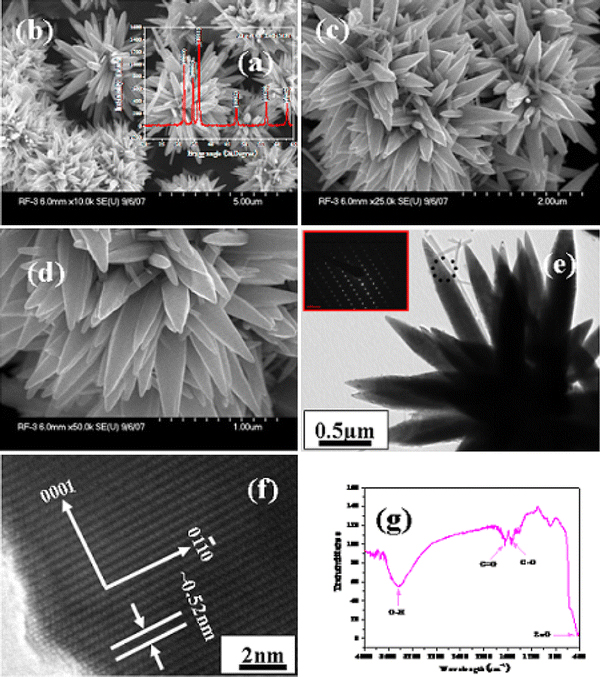
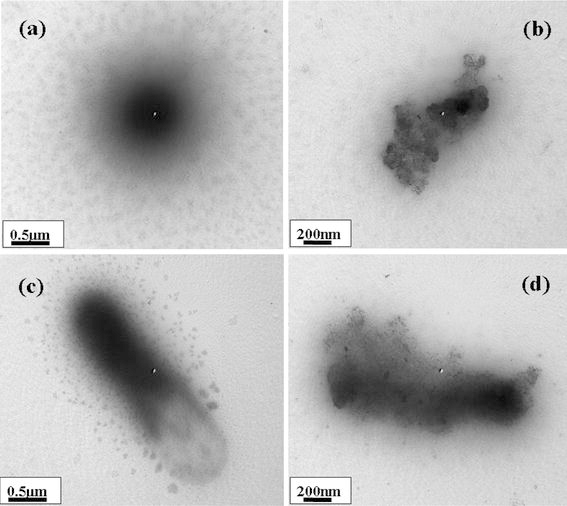
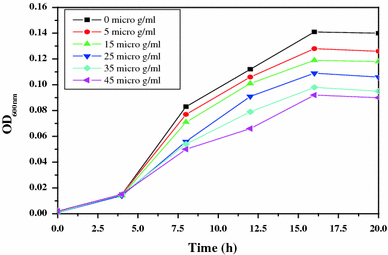
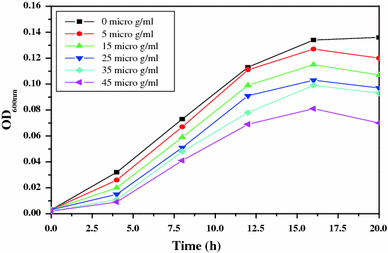
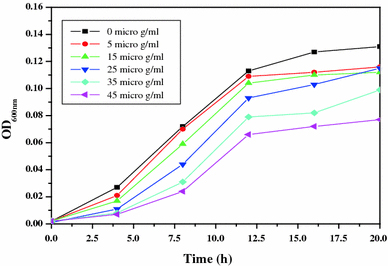
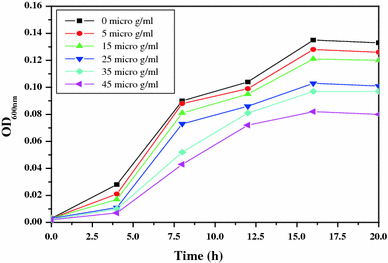
This paper presents the fabrication and characterization of zinc oxide micro-flowers and their antibacterial activity. The micro-flowers of zinc oxide composed of hexagonal nanorods have been prepared via solution process using precursor zinc acetate di-hydrate and sodium hydroxide in 3 h of refluxing time at ~90°C. The antibacterial activities of grown micro-flowers were investigated against four pathogenic bacteria namely S. aureus, E. coli, S. typhimurium and K. pneumoniae by taking five different concentrations (5-45 μg/ml) of ZnO micro-flowers (ZnO-MFs). Our investigation reveals that at lowest concentration of ZnO-MFs solution inhibiting the growth of microbial strain which was found to be 5 μg/ml for all the tested pathogens. Additionally, on the basis of morphological and chemical observations, a chemical reaction mechanism of ZnO-MFs composed of hexagonal nanorods was also proposed.
本文介绍了氧化锌微花的制备、表征及其抗菌活性。采用二水合醋酸锌和氢氧化钠为前驱体,通过溶液法在约90°C回流3小时制备了由六方纳米棒组成的氧化锌微花。通过采用五种不同浓度(5 - 45μg/ml)的氧化锌微花(ZnO - MFs),研究了所生长微花对四种病原菌即金黄色葡萄球菌、大肠杆菌、鼠伤寒沙门氏菌和肺炎克雷伯菌的抗菌活性。我们的研究表明,对于所有测试的病原体,在最低浓度的ZnO - MFs溶液中即可抑制微生物菌株的生长,该浓度为5μg/ml。此外,基于形态学和化学观察结果,还提出了由六方纳米棒组成的ZnO - MFs的化学反应机理。