Columbia University Medical Center, New York, NY, USA.
Stroke. 2011 Jan;42(1):221-6. doi: 10.1161/STROKEAHA.110.595645. Epub 2010 Dec 9.
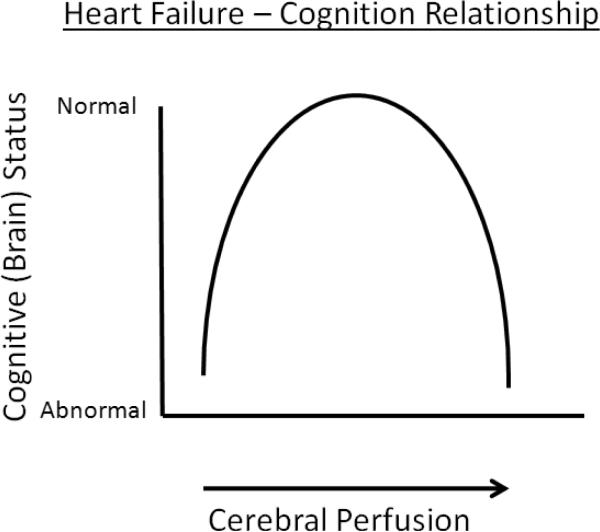
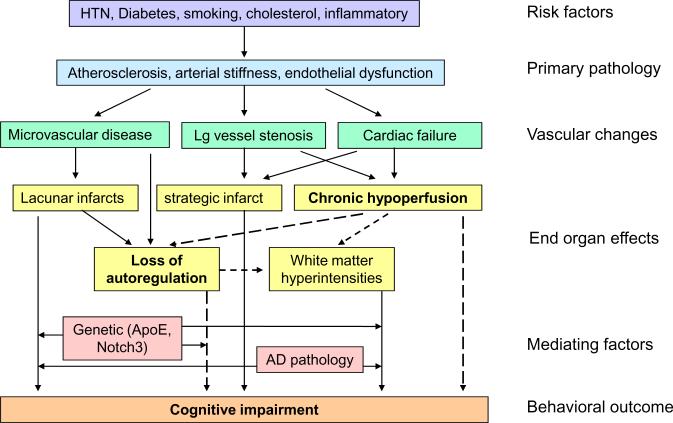
Vascular cognitive impairment has been traditionally defined by structural pathology, an accumulation of infarcts, leading to progressive cognitive decline. Recent evidence, however, suggests that cognitive impairment may be independently mediated by hemodynamic dysfunction, including global and hemispheral hypoperfusion and altered cerebral blood flow regulation. In this review, we examine evidence for the contribution of hemodynamic impairment to cognitive dysfunction in the setting of large vessel disease, cardiac failure, and microvascular disease. If there is a hemodynamic component of vascular cognitive impairment, then treatments proposed to correct impaired vascular physiology may reasonably be expected to treat the cognitive dysfunction as well.
血管性认知障碍传统上是由结构性病理学定义的,即梗死的积累,导致认知能力逐渐下降。然而,最近的证据表明,认知障碍可能独立于血流动力学功能障碍而发生,包括全脑和半球低灌注以及脑血流调节改变。在这篇综述中,我们研究了血流动力学障碍在大血管疾病、心力衰竭和微血管疾病背景下对认知功能障碍的影响。如果血管性认知障碍存在血流动力学成分,那么纠正受损血管生理学的治疗方法有望合理地治疗认知功能障碍。