University of Washington, Division of Medical Genetics, Seattle, Washington, USA.
Nat Med. 2011 Jan;17(1):96-104. doi: 10.1038/nm.2270. Epub 2010 Dec 12.
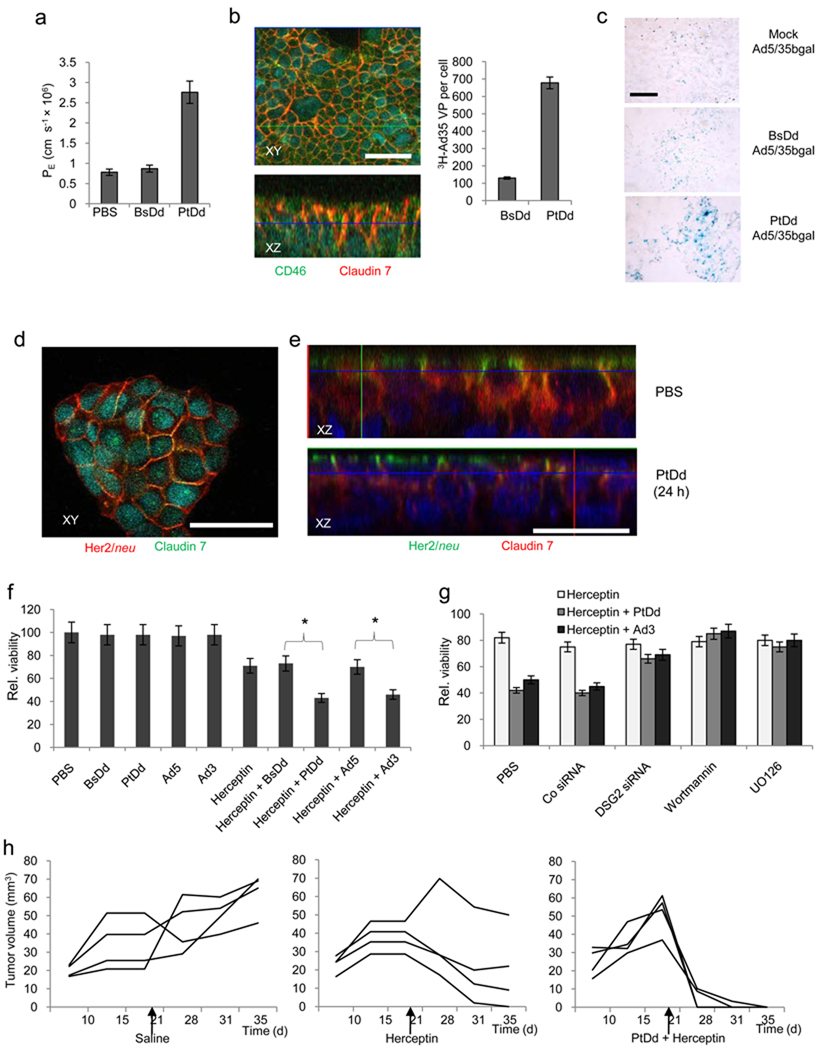
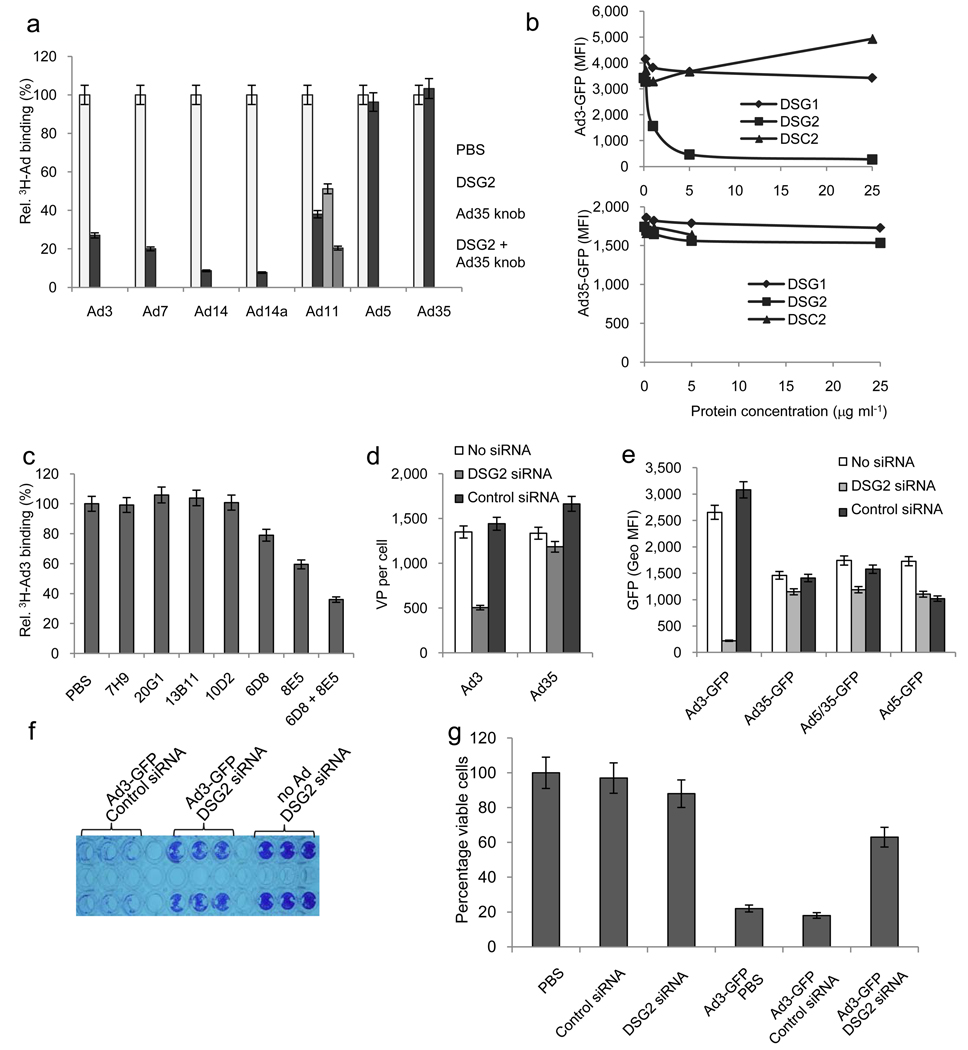
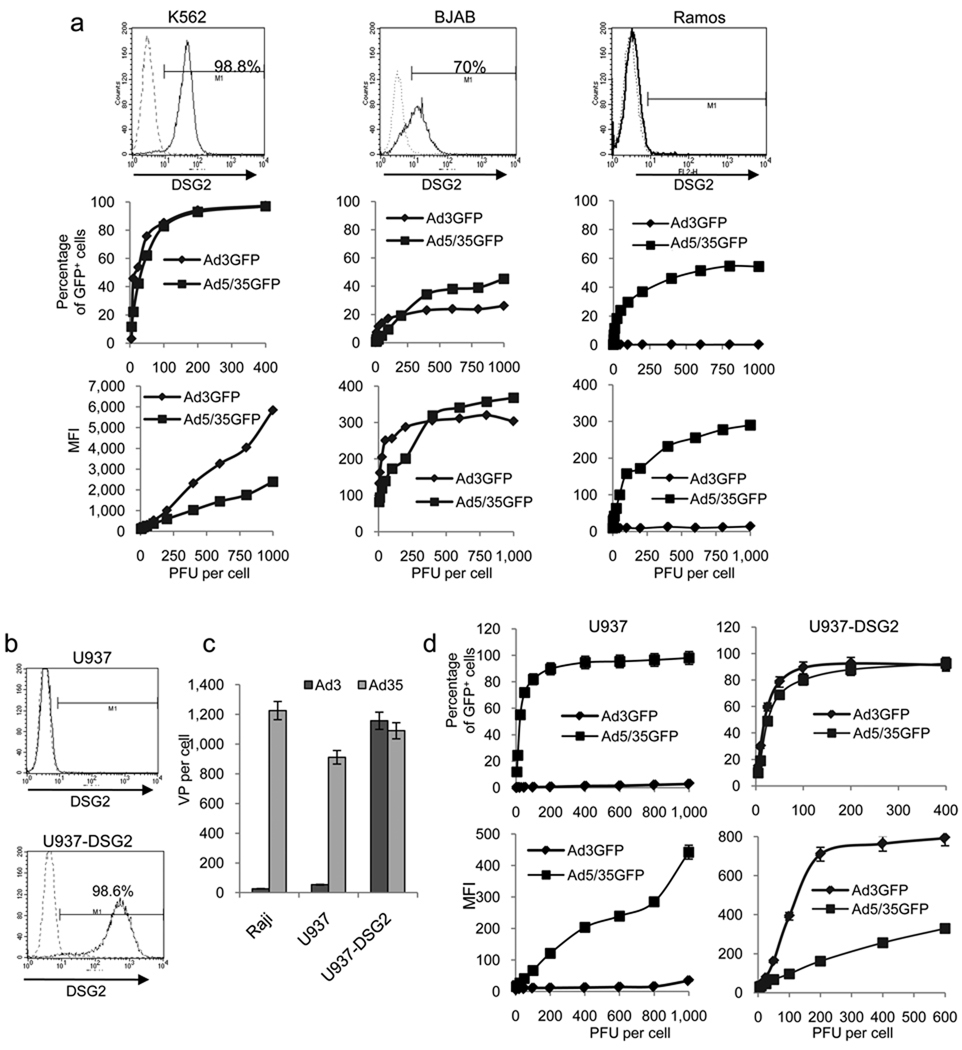
We have identified desmoglein-2 (DSG-2) as the primary high-affinity receptor used by adenoviruses Ad3, Ad7, Ad11 and Ad14. These serotypes represent key human pathogens causing respiratory and urinary tract infections. In epithelial cells, adenovirus binding of DSG-2 triggers events reminiscent of epithelial-to-mesenchymal transition, leading to transient opening of intercellular junctions. This opening improves access to receptors, for example, CD46 and Her2/neu, that are trapped in intercellular junctions. In addition to complete virions, dodecahedral particles (PtDds), formed by excess amounts of viral capsid proteins, penton base and fiber during viral replication, can trigger DSG-2-mediated opening of intercellular junctions as shown by studies with recombinant Ad3 PtDds. Our findings shed light on adenovirus biology and pathogenesis and may have implications for cancer therapy.
我们已经确定桥粒芯糖蛋白-2(DSG-2)是腺病毒 Ad3、Ad7、Ad11 和 Ad14 主要使用的高亲和力受体。这些血清型是导致呼吸道和尿路感染的关键人类病原体。在上皮细胞中,腺病毒与 DSG-2 的结合引发类似于上皮间质转化的事件,导致细胞间连接的短暂开放。这种开放增加了对受体的可及性,例如,被困在细胞间连接中的 CD46 和 Her2/neu。除了完整的病毒粒子外,由病毒衣壳蛋白、五邻体基底和纤维在病毒复制过程中过量形成的十二面体颗粒(PtDds)也可以触发 DSG-2 介导的细胞间连接开放,这一点已通过重组 Ad3 PtDds 的研究得到证实。我们的发现揭示了腺病毒的生物学和发病机制,并可能对癌症治疗有影响。