National Key Lab for Animal Nutrition, College of Animal Science and Technology, China Agricultural University, Beijing 100193, China; E-Mails:
Int J Mol Sci. 2010 Oct 20;11(10):4063-79. doi: 10.3390/ijms11104063.
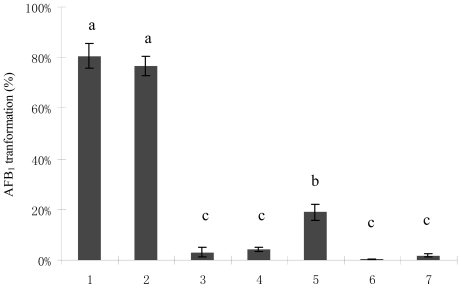
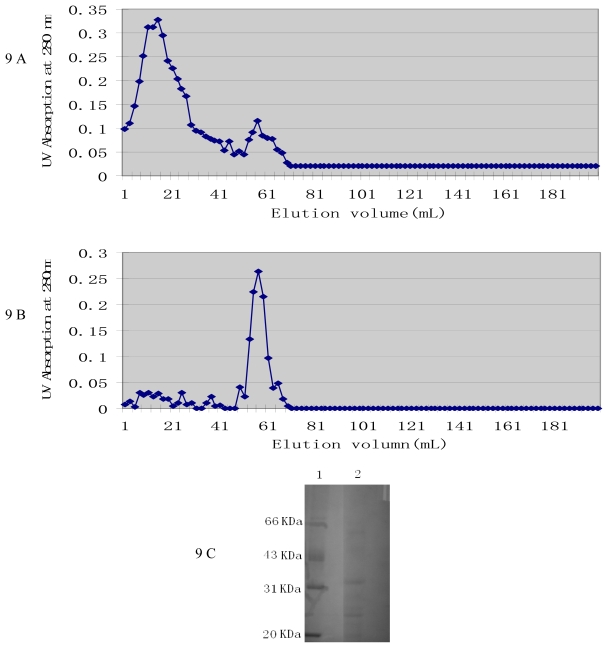
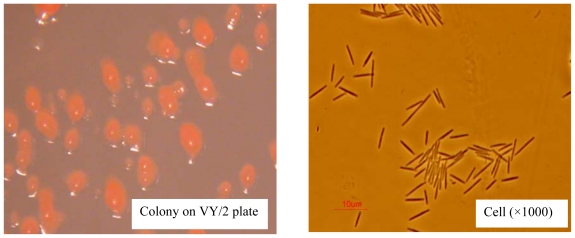
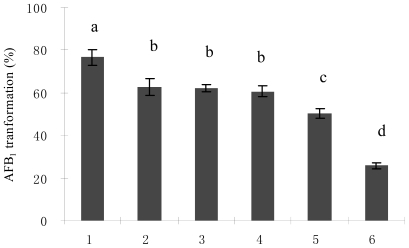
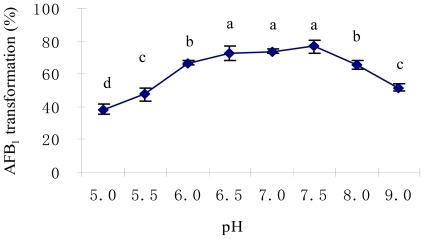
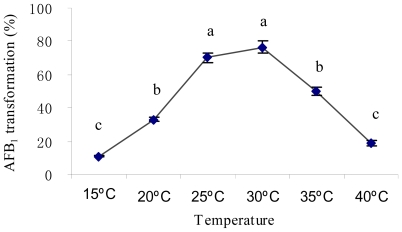
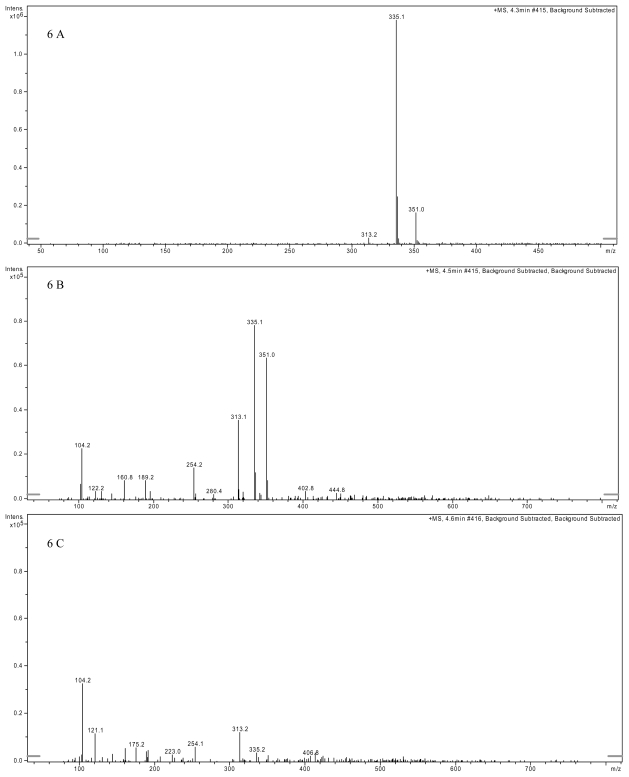
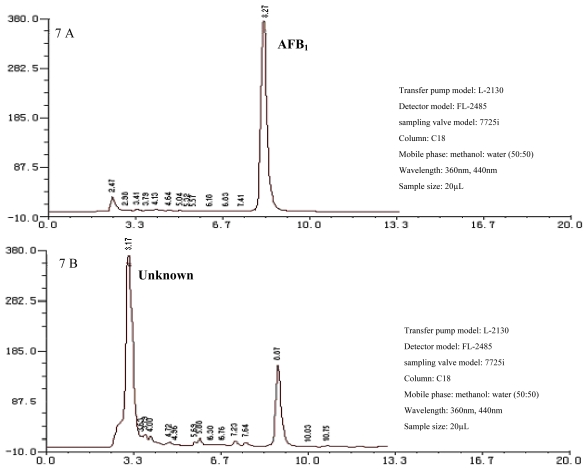
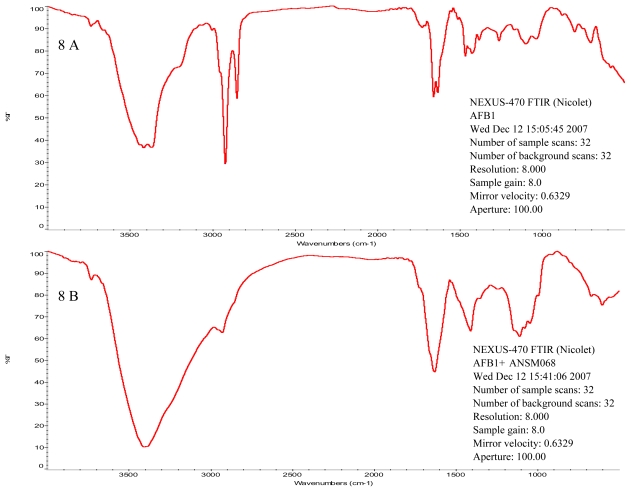
Aflatoxin B(1) (AFB(1)) is commonly found in cereals and animal feeds and causes a significant threat to the food industry and animal production. Several microbial isolates with high AFB(1) transformation ability have been identified in our previous studies. The aim of this research was to characterize one of those isolates, Myxococcus fulvus ANSM068, and to explore its biotransformation mechanism. The bacterial isolate of M. fulvus ANSM068, isolated from deer feces, was able to transform AFB(1) by 80.7% in liquid VY/2 medium after incubation at 30 °C for 72 h. The supernatant of the bacterial culture was more effective in transforming AFB(1) as compared to the cells alone and the cell extract. The transformation activity was significantly reduced and eradicated after the culture supernatant was treated with proteinase K, proteinase K plus SDS and heating. Culture conditions, including nitrogen source, initial pH and incubation temperature were evaluated for an optimal AFB(1) transformation. Liquid chromatography mass spectrometry (LCMS) analyses showed that AFB(1) was transformed to a structurally different compound. Infrared analysis (IR) indicated that the lactone ring on the AFB(1) molecule was modified by the culture supernatant. Chromatographies on DEAE-Ion exchange and Sephadex-Molecular sieve and SDS-PAGE electrophoresis were used to determine active components from the culture supernatant, indicating that enzyme(s) were responsible for the AFB(1) biotransformation. This is the first report on AFB(1) transformation by a strain of myxobacteria through enzymatic reaction(s).
黄曲霉毒素 B(1)(AFB(1))普遍存在于谷物和动物饲料中,对食品工业和动物生产构成重大威胁。在我们之前的研究中,已经鉴定出了一些具有高 AFB(1)转化能力的微生物分离株。本研究的目的是对其中一株分离菌,粘球菌 ANSM068 进行鉴定,并探讨其生物转化机制。从鹿粪便中分离出的粘球菌 ANSM068 细菌分离株,在 30°C 下孵育 72 小时后,在 VY/2 液体培养基中能够将 AFB(1)转化 80.7%。与单独的细胞和细胞提取物相比,细菌培养物的上清液更有效地转化 AFB(1)。培养上清液经蛋白酶 K、蛋白酶 K 加 SDS 和加热处理后,转化活性显著降低并消除。对培养条件(包括氮源、初始 pH 值和培养温度)进行了评估,以获得最佳的 AFB(1)转化。液相色谱-质谱(LCMS)分析表明,AFB(1)被转化为结构不同的化合物。红外分析(IR)表明,培养上清液修饰了 AFB(1)分子上的内酯环。DEAE-离子交换和 Sephadex-分子筛层析以及 SDS-PAGE 电泳用于确定培养上清液中的活性成分,表明酶参与了 AFB(1)的生物转化。这是首次报道粘细菌通过酶反应(s)转化 AFB(1)。