Centre for Cell Engineering, Institute of Molecular, Cellular and Systems Biology, College of Medical, Veterinary and Life Sciences, Joseph Black Building, University of Glasgow, Glasgow G12 8QQ, UK.
Biomaterials. 2011 Mar;32(8):2021-31. doi: 10.1016/j.biomaterials.2010.11.046. Epub 2010 Dec 15.
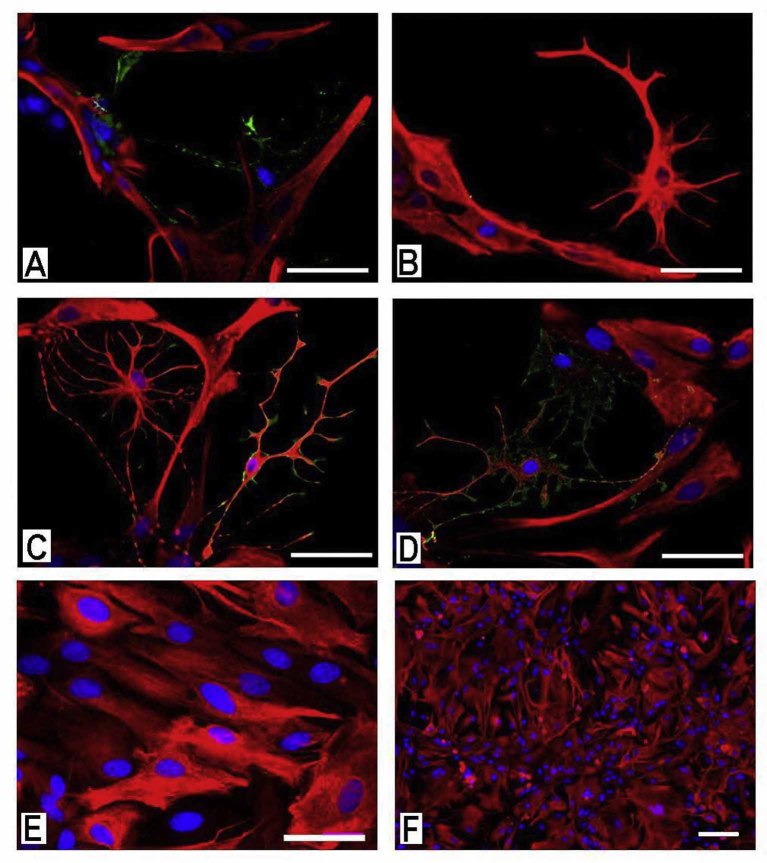
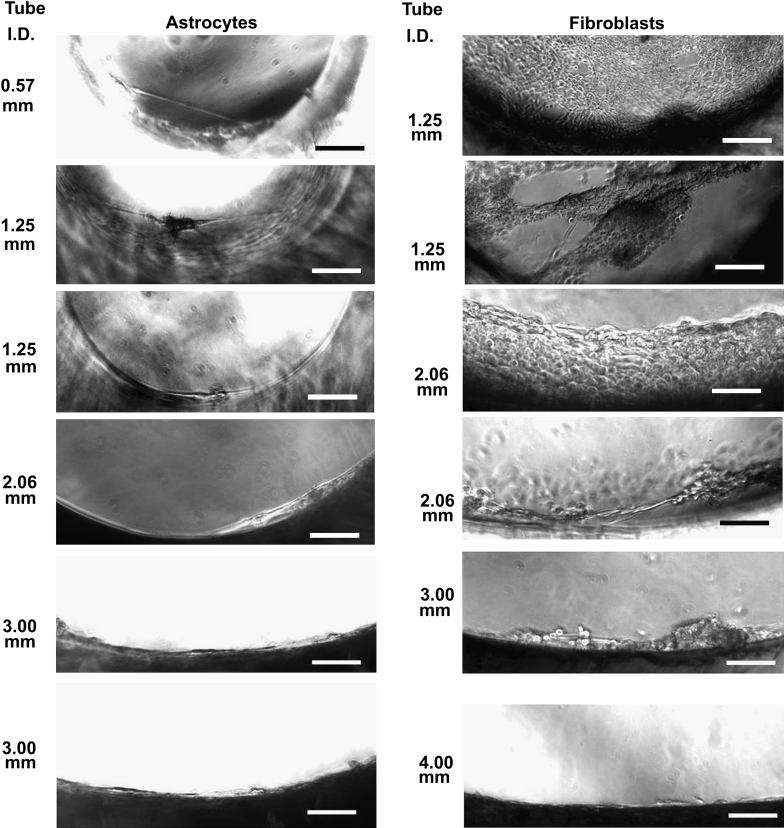
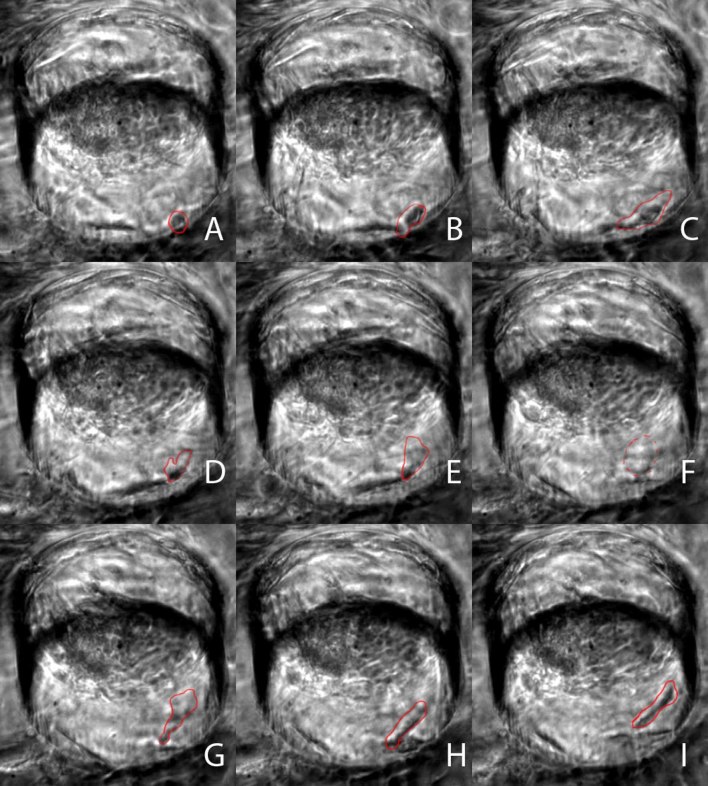
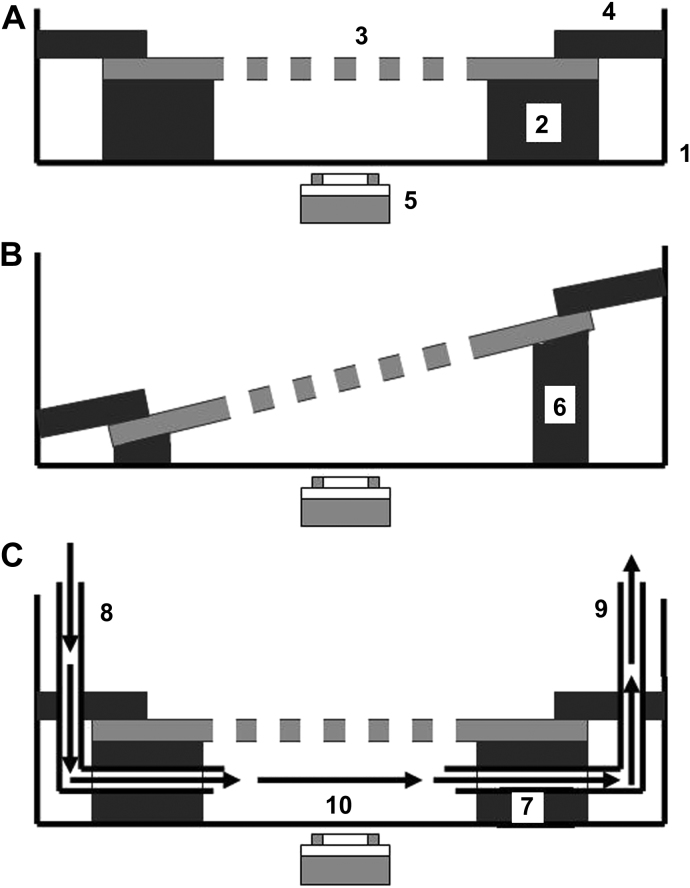
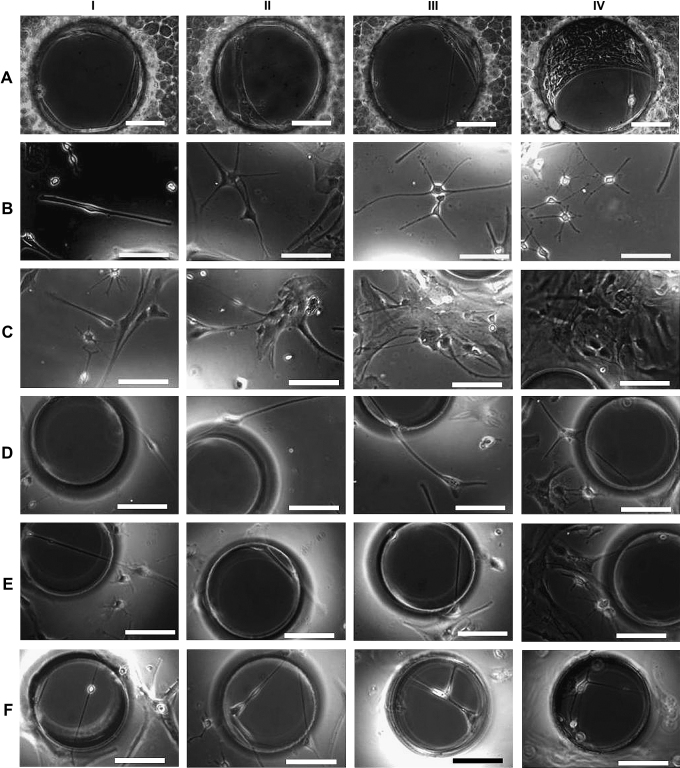
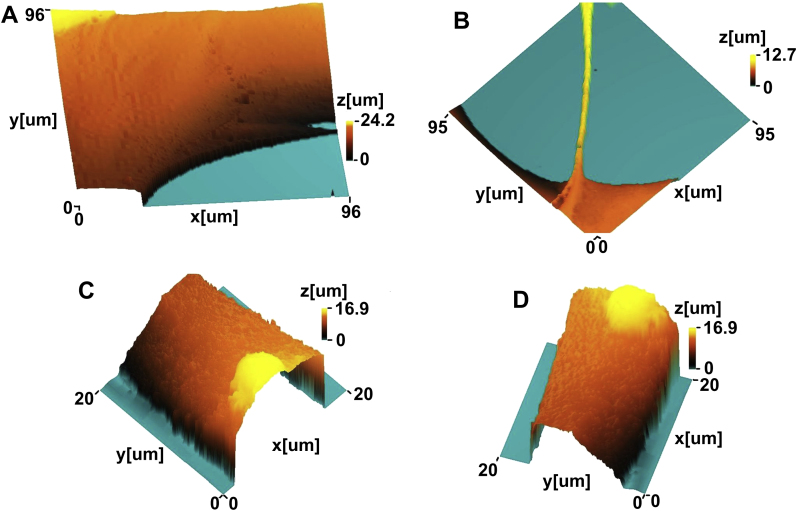
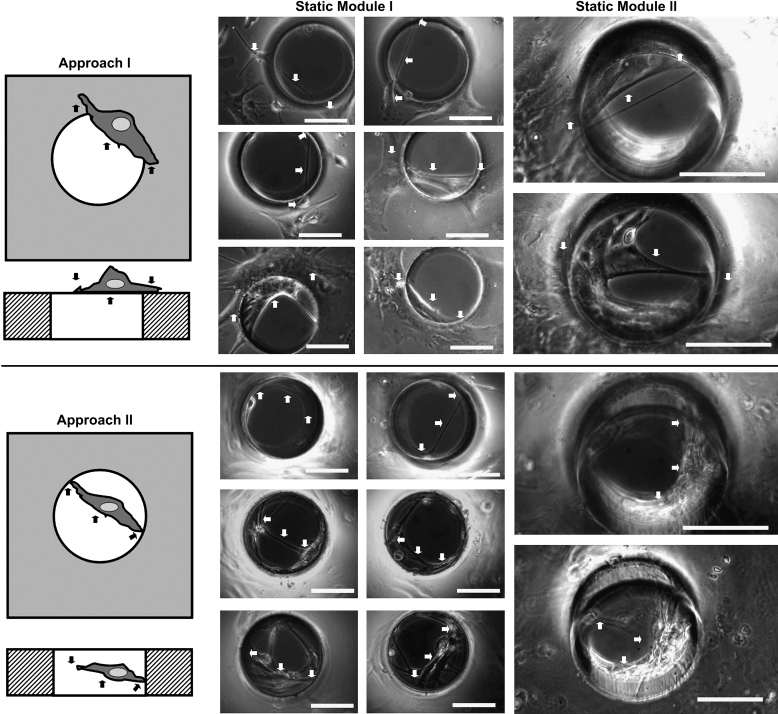
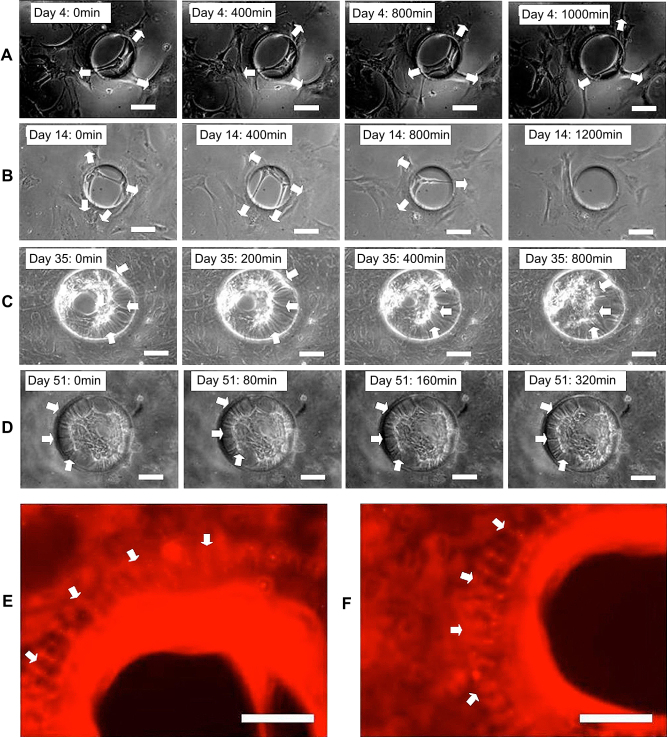
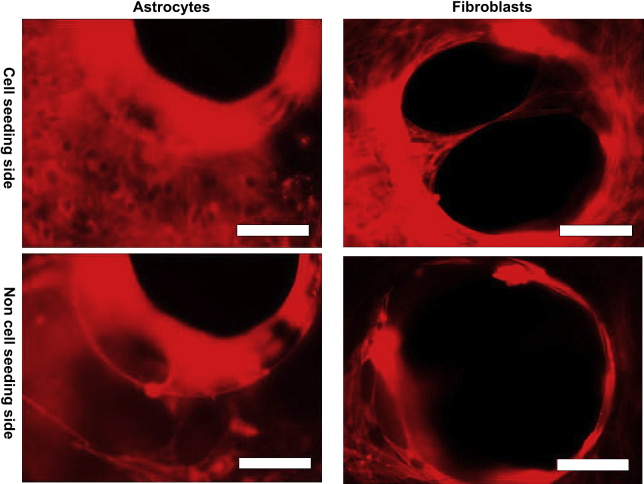
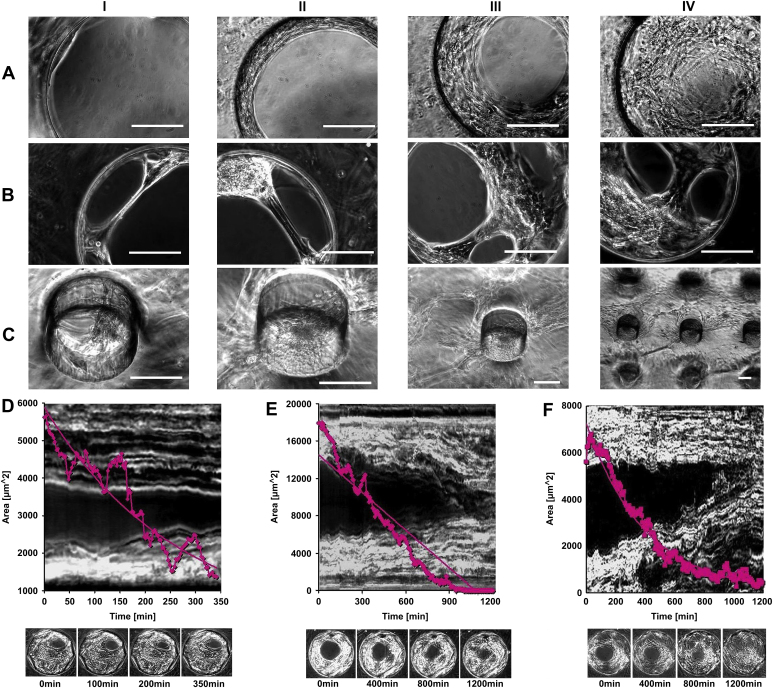
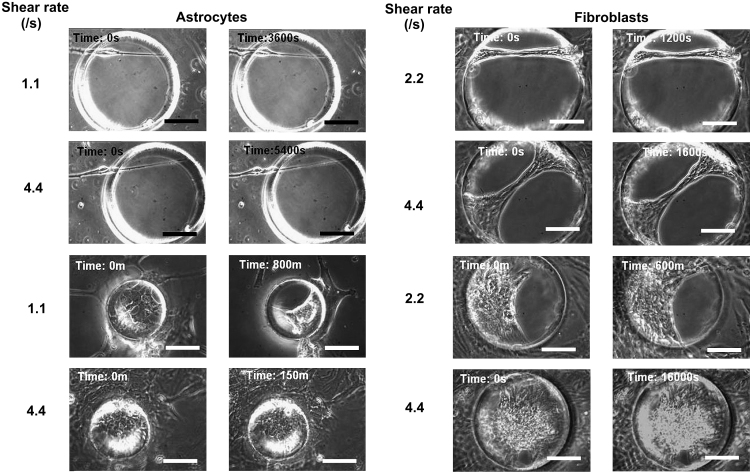
Open pores to maintain nutrient diffusion and waste removal after cell colonization are crucial for the successful application of constructs based on assembled membranes, in our case tubular scaffolds made of ɛ-polycaprolactone (PCL), for use in tissue engineering. Due to the complex three-dimensional structure and large size of such scaffolds needed for transplantable tissues, it is difficult to investigate the cell-pore interactions in situ. Therefore miniaturized bioreactors inside Petri dishes (30 mm in diameter), containing porous PCL or poly-dimethylsiloxane (PDMS) membranes, were developed to allow the interactions of different cells with defined pores to be investigated in situ during both static and perfusion cultures. Investigation of two different cell types (fibroblasts and cortical astrocytes) and how they interact with a range of pores (100-350 μm in diameter) for up to 50 days indicated that the cells either 'covered' or 'bridged' the pores. Three distinct behaviors were observed in the way cortical astrocytes interacted with pores, while fibroblasts were able to quickly bridge the pores based on consistent "joint efforts". Our studies demonstrate that the distinct pore sealing behaviors of both cell types were influenced by pore size, initial cell density and culture period, but not by medium perfusion within the range of shear forces investigated. These findings form important basic data about the usability of pores within scaffolds that could inform the design and fabrication of suitable scaffolds for various applications in tissue engineering.
在细胞定植后,为了维持营养物质的扩散和废物的清除,保持开放的孔道对于组装膜基构建体(在我们的案例中是由 ε-聚己内酯(PCL)制成的管状支架)的成功应用至关重要,这些构建体可用于组织工程。由于用于可移植组织的支架具有复杂的三维结构和较大的尺寸,因此难以原位研究细胞-孔道相互作用。因此,开发了在 Petri 盘中的微型化生物反应器(直径 30 毫米),其中包含多孔聚己内酯(PCL)或聚二甲基硅氧烷(PDMS)膜,以便能够在静态和灌注培养过程中原位研究不同细胞与定义孔道的相互作用。研究了两种不同的细胞类型(成纤维细胞和皮质星形胶质细胞)以及它们如何与一系列孔径(100-350 μm)相互作用长达 50 天,结果表明细胞要么“覆盖”要么“桥接”孔道。皮质星形胶质细胞与孔道相互作用时观察到三种不同的行为,而成纤维细胞则能够基于一致的“共同努力”快速桥接孔道。我们的研究表明,两种细胞类型的明显孔道封闭行为受孔径、初始细胞密度和培养时间的影响,但不受在所研究的剪切力范围内的培养基灌注的影响。这些发现为支架内孔道的可用性提供了重要的基础数据,可为各种组织工程应用的合适支架的设计和制造提供信息。