Centre for Women's Health, Gender and Society, Melbourne School of Population Health, The University of Melbourne, Melbourne, Victoria, Australia.
BMC Infect Dis. 2011 Jan 4;11:2. doi: 10.1186/1471-2334-11-2.
Voluntary home quarantine of cases and close contacts was the main non-pharmaceutical intervention used to limit transmission of pandemic (H1N1) 2009 influenza (pH1N1) in the initial response to the outbreak of the disease in Australia. The effectiveness of voluntary quarantine logically depends on affected families having a clear understanding of what they are being asked to do. Information may come from many sources, including the media, health officials, family and friends, schools, and health professionals. We report the extent to which families who entered home quarantine received and used information on what they were supposed to do. Specifically, we outline their sources of information; the perceived usefulness of each source; and associations between understanding of recommendations and compliance.
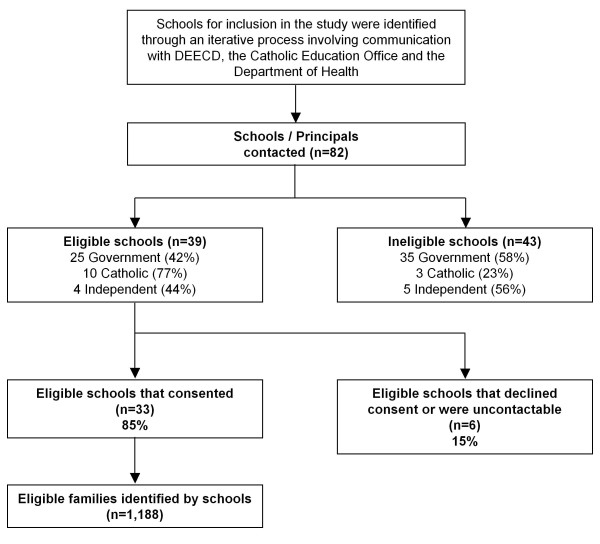
Cross-sectional survey administered via the internet and computer assisted telephone interview to families whose school children were recommended to go into home quarantine because they were diagnosed with H1N1 or were a close contact of a case. The sample included 314 of 1157 potentially eligible households (27% response rate) from 33 schools in metropolitan Melbourne. Adjusting for clustering within schools, we describe self-reported 'understanding of what they were meant to do during the quarantine period'; source of information (e.g. health department) and usefulness of information. Using logistic regression we examine whether compliance with quarantine recommendations was associated with understanding and the type of information source used.
Ninety per cent understood what they were meant to do during the quarantine period with levels of understanding higher in households with cases (98%, 95% CI 93%-99% vs 88%, 95% CI 84%-91%, P = 0.006). Over 87% of parents received information about quarantine from the school, 63% from the health department and 44% from the media. 53% of households were fully compliant and there was increased compliance in households that reported that they understood what they were meant to do (Odds Ratio 2.27, 95% CI 1.35-3.80).
It is critical that public health officials work closely with other government departments and media to provide clear, consistent and simple information about what to do during quarantine as high levels of understanding will maximise compliance in the quarantined population.
在澳大利亚应对大流行(H1N1)2009 流感(pH1N1)疾病爆发的初步反应中,对病例和密切接触者进行自愿居家隔离是限制传播的主要非药物干预措施。逻辑上,自愿隔离的有效性取决于受影响的家庭对他们被要求做什么有明确的了解。信息可能来自多个来源,包括媒体、卫生官员、家庭和朋友、学校和卫生专业人员。我们报告了进入家庭隔离的家庭收到并使用有关他们应该做什么的信息的程度。具体来说,我们概述了他们的信息来源;每个来源的感知有用性;以及对建议的理解与遵守之间的关联。
通过互联网和计算机辅助电话调查,对因被诊断患有 H1N1 或与病例有密切接触而被建议进行家庭隔离的学童的家庭进行横断面调查。该样本包括来自墨尔本大都市区 33 所学校的 1157 个潜在合格家庭中的 314 个(27%的应答率)。在校内进行聚类调整后,我们描述了自我报告的“在隔离期间对他们应该做什么的理解”;信息来源(例如卫生部门)和信息的有用性。使用逻辑回归,我们检查了与隔离建议的遵守情况是否与理解和使用的信息来源类型相关。
90%的家庭了解在隔离期间他们应该做什么,病例家庭的理解程度更高(98%,95%置信区间 93%-99% vs 88%,95%置信区间 84%-91%,P = 0.006)。超过 87%的家长从学校获得有关隔离的信息,63%从卫生部门获得,44%从媒体获得。有 53%的家庭完全遵守规定,在报告理解他们应该做什么的家庭中,遵守规定的比例有所增加(比值比 2.27,95%置信区间 1.35-3.80)。
公共卫生官员必须与其他政府部门和媒体密切合作,提供关于隔离期间应做什么的清晰、一致和简单的信息,因为高水平的理解将最大限度地提高被隔离人群的遵守率。