National Research Center of Protozoan Diseases, Obihiro University of Agriculture and Veterinary Medicine, Inada-cho, Obihiro, Hokkaido 080-8555, Japan.
Parasit Vectors. 2011 Jan 27;4:10. doi: 10.1186/1756-3305-4-10.
The proboscis is an essential head appendage in insects that processes gustatory code during food intake, particularly useful considering that blood-sucking arthropods routinely reach vessels under the host skin using this proboscis as a probe.
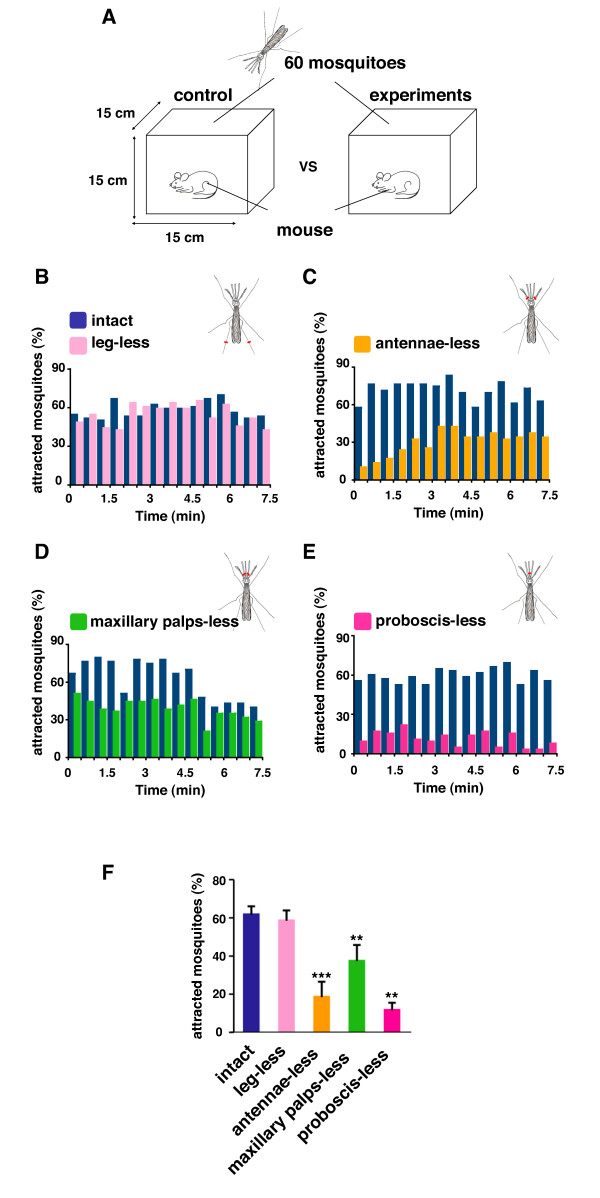
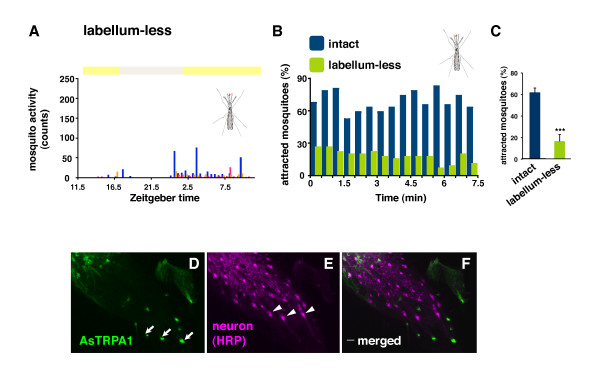
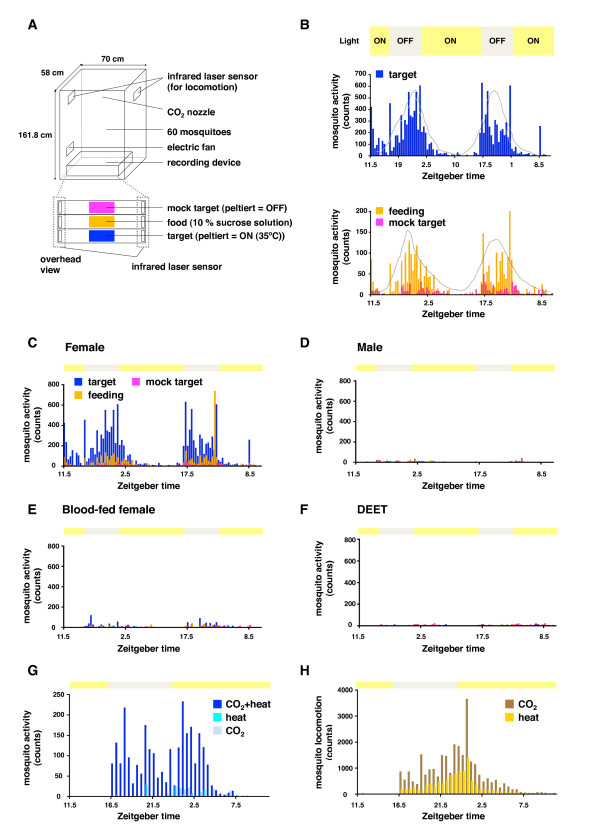
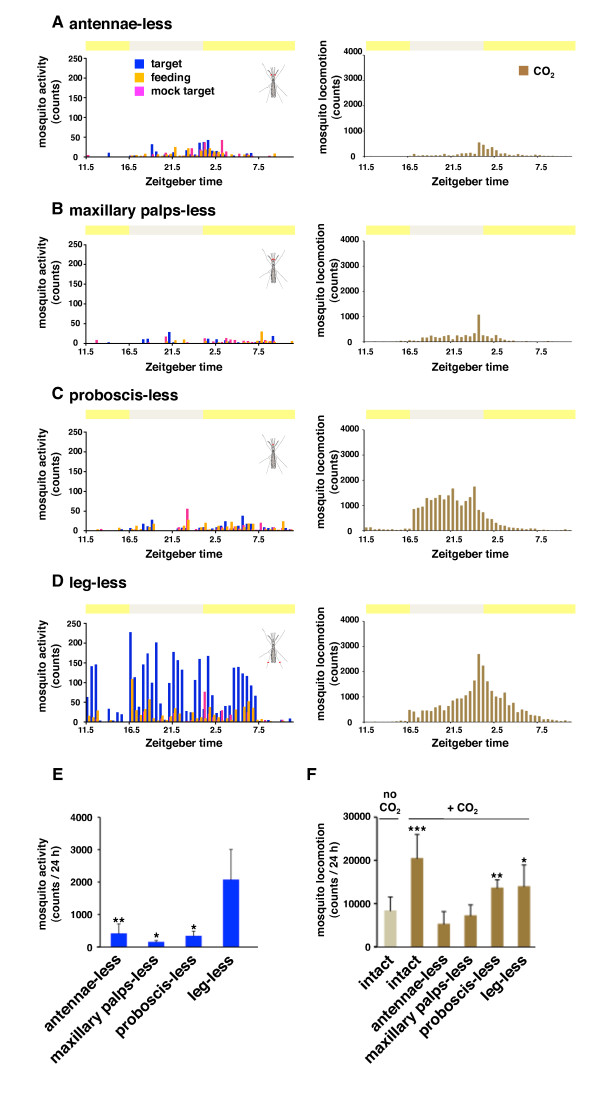
Here, using an automated device able to quantify CO(2)-activated thermo (35°C)-sensing behavior of the malaria vector Anopheles stephensi, we uncovered that the protruding proboscis of mosquitoes contributes unexpectedly to host identification from a distance. Ablation experiments indicated that not only antennae and maxillary palps, but also proboscis were required for the identification of pseudo-thermo targets. Furthermore, the function of the proboscis during this behavior can be segregated from CO(2) detection required to evoke mosquito activation, suggesting that the proboscis of mosquitoes divide the proboscis into a "thermo-antenna" in addition to a "thermo-probe".
Our findings support an emerging view with a possible role of proboscis as important equipment during host-seeking, and give us an insight into how these appendages likely evolved from a common origin in order to function as antenna organs.
触角是昆虫头部的重要附属物,在进食过程中处理味觉信息,特别是考虑到吸血节肢动物通常使用这种触角作为探测器来探测宿主皮肤下的血管。
在这里,我们使用一种能够量化疟蚊 Anopheles stephensi 对 CO2 激活的热(35°C)感应行为的自动化设备,发现蚊子伸出的触角出人意料地有助于远距离识别宿主。消融实验表明,不仅触角和下颚须,而且触角也需要识别伪热目标。此外,在这种行为中,触角的功能可以与激活蚊子所需的 CO2 检测分离,这表明蚊子的触角除了“热探针”外,还将触角分成了“热天线”。
我们的发现支持了一种新的观点,即触角在寻找宿主的过程中可能扮演着重要的角色,并使我们深入了解这些附属物是如何从共同的起源进化而来,以作为天线器官发挥作用的。