Laboratory for Developmental Studies, Department of Psychology, Harvard University, William James Hall, 33 Kirkland Street, Cambridge, MA 02138, USA.
Science. 2011 Jan 28;331(6016):477-80. doi: 10.1126/science.1199198.
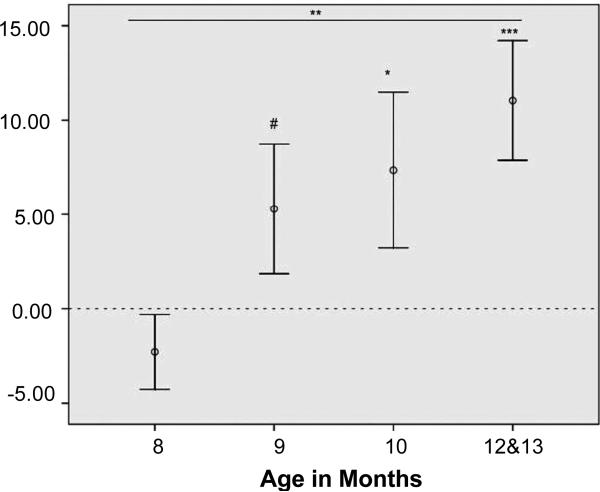
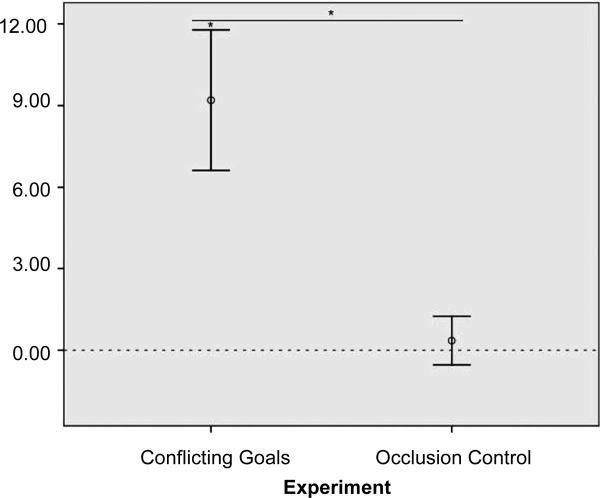
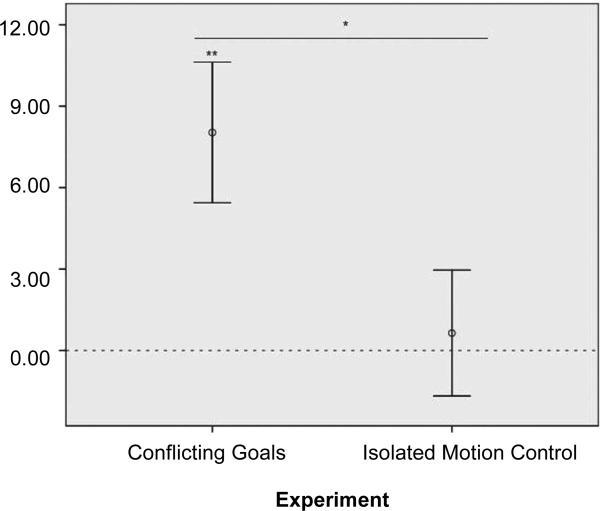
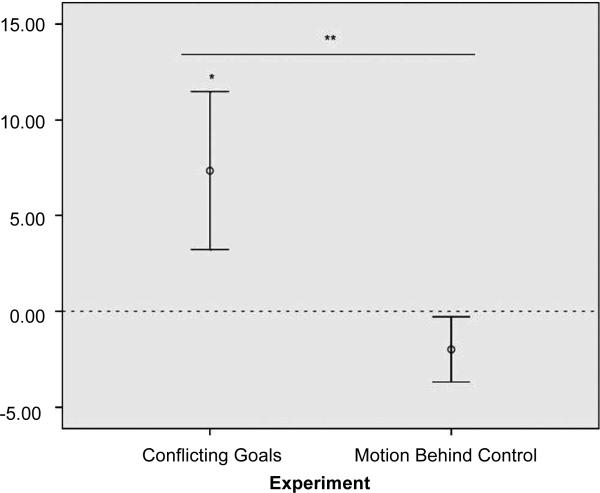
Human infants face the formidable challenge of learning the structure of their social environment. Previous research indicates that infants have early-developing representations of intentional agents, and of cooperative social interactions, that help meet that challenge. Here we report five studies with 144 infant participants showing that 10- to 13-month-old, but not 8-month-old, infants recognize when two novel agents have conflicting goals, and that they use the agents' relative size to predict the outcome of the very first dominance contests between them. These results suggest that preverbal infants mentally represent social dominance and use a cue that covaries with it phylogenetically, and marks it metaphorically across human cultures and languages, to predict which of two agents is likely to prevail in a conflict of goals.
人类婴儿面临着学习社会环境结构的艰巨挑战。先前的研究表明,婴儿具有早期发展的意向主体和合作社会互动的代表,这有助于应对这一挑战。在这里,我们报告了五项研究,共有 144 名婴儿参与,结果表明 10 至 13 个月大的婴儿(而非 8 个月大的婴儿)能够识别两个新出现的主体是否存在冲突的目标,并且他们会利用主体的相对大小来预测它们之间首次发生的支配性竞争的结果。这些结果表明,婴儿在心理上代表社会支配地位,并使用一个与进化相关的线索来预测两个主体中谁更有可能在目标冲突中获胜,这个线索在人类文化和语言中具有隐喻意义。