Department of Anatomy and Cell Biology, Interdisciplinary Graduate School of Medicine & Engineering, University of Yamanashi, Yamanashi, Japan.
PLoS One. 2011 Jan 24;6(1):e14575. doi: 10.1371/journal.pone.0014575.
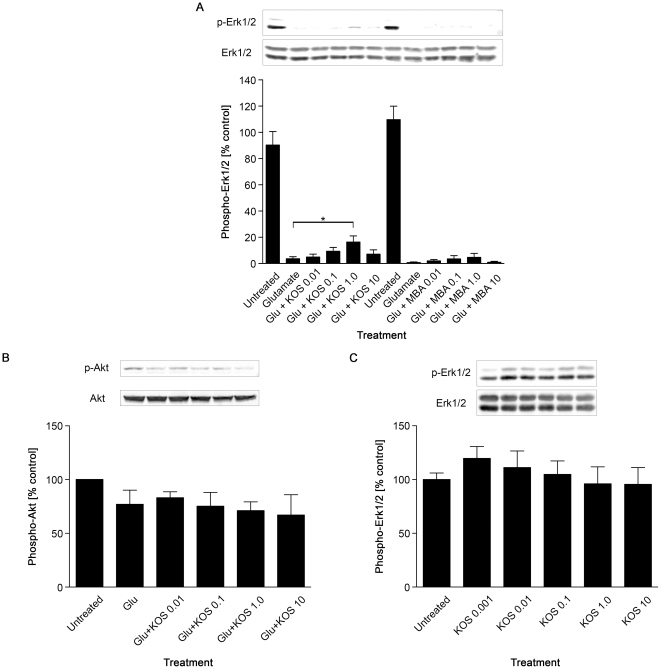
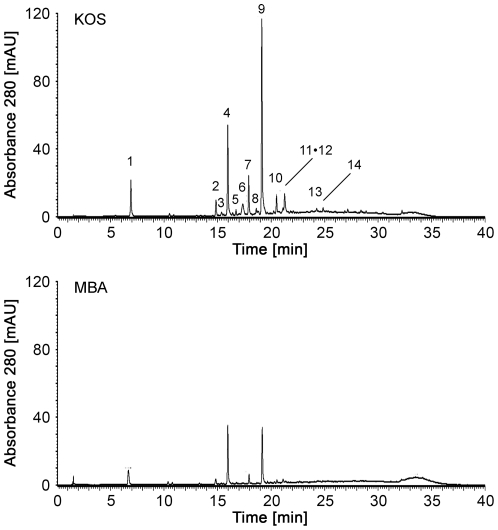
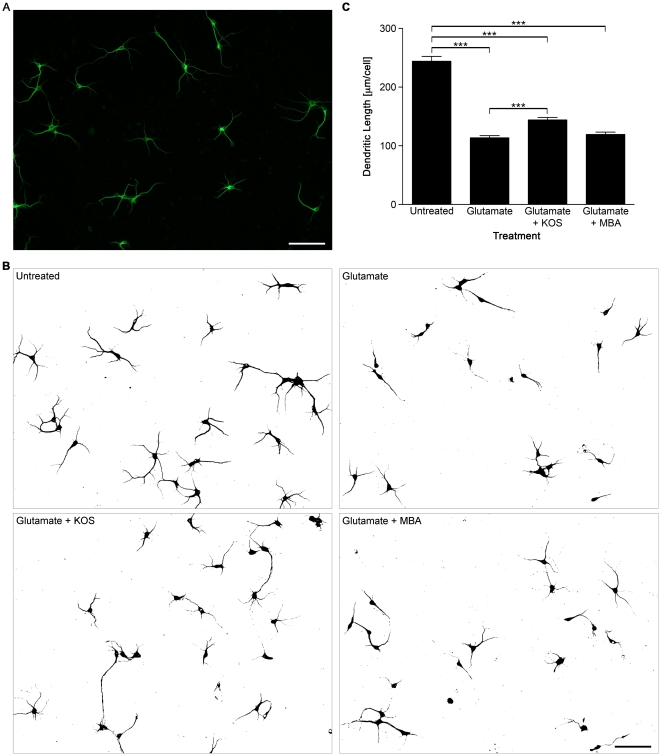
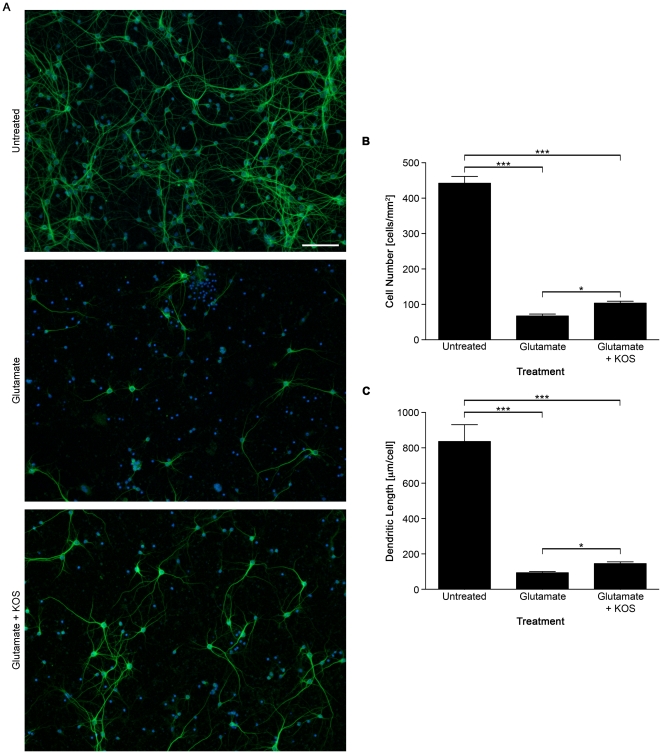
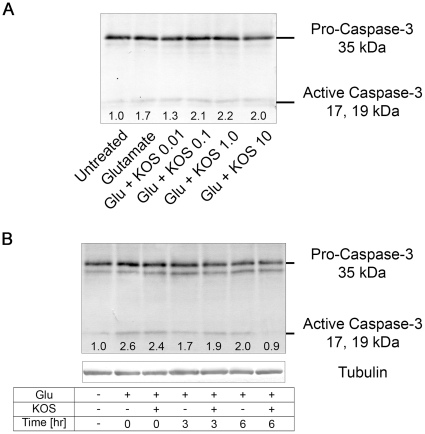
Glutamate excitotoxicity is one of the major events that takes place during various neurotoxic injuries such as brain ischemia. We prepared grape seed extracts, from two different varieties, containing high amounts of polyphenols but little resveratrol. Their neuroprotective effects were investigated using primary culture of neonatal mouse hippocampal neurons treated with an excitotoxic concentration of glutamate. Koshu, a white, local variety of V. vinifera, alleviated the acute inactivation of Erk1/2 and dendrite retraction in cultured hippocampal neurons exposed to a toxic concentration of glutamate (1.0 ng/ml). By contrast, Muscat Bailey A, a red, hybrid variety (Muscat Humburg × Bailey), failed to show any neuroprotective effect. Unlike brain-derived neurotrophic factor and other neuroprotective cytokines, Koshu extract did not induce Akt phosphorylation. Koshu extract also augmented neuron survival rate 24 hours after glutamate toxicity. The comparison of polyphenols between the two samples by liquid chromatography/time-of-flight mass spectrometry demonstrated that Koshu had higher amounts of low molecular weight polyphenols along with several Koshu-specific procyanidin oligomers. These data suggest the presence of high affinity molecular targets for polyphenols in hippocampal neurons, which induce neuroprotective effects in a manner different from BDNF, and the importance of low molecular weight polyphenols and/or procyanidin oligomers for neuroprotection.
谷氨酸兴奋性毒性是发生在各种神经毒性损伤如脑缺血等过程中的主要事件之一。我们制备了两种含有大量多酚但很少白藜芦醇的葡萄籽提取物。使用新生小鼠海马神经元的原代培养物,用兴奋性谷氨酸浓度处理,研究了它们的神经保护作用。甲州,一种白葡萄品种,可缓解培养的海马神经元暴露于毒性谷氨酸浓度(1.0ng/ml)时 Erk1/2 的急性失活和树突回缩。相比之下,红杂交品种麝香贝利 A(麝香汉堡 × 贝利)则没有显示出任何神经保护作用。与脑源性神经营养因子和其他神经保护细胞因子不同,甲州提取物不会诱导 Akt 磷酸化。甲州提取物还可提高谷氨酸毒性 24 小时后的神经元存活率。通过液相色谱/飞行时间质谱对两种样品的多酚进行比较表明,甲州含有更高数量的低分子量多酚以及几种甲州特有的原花青素低聚物。这些数据表明,在海马神经元中存在对多酚具有高亲和力的分子靶标,其以不同于 BDNF 的方式诱导神经保护作用,并且低分子量多酚和/或原花青素低聚物对神经保护很重要。