Instituto de Investigaciones Quimico-Biologicas, Universidad Michoacana de San Nicolas de Hidalgo, Edificio B-3. C.U., 58030 Morelia, Michoacan, Mexico.
Int J Environ Res Public Health. 2010 Dec;7(12):4281-304. doi: 10.3390/ijerph7124281. Epub 2010 Dec 21.
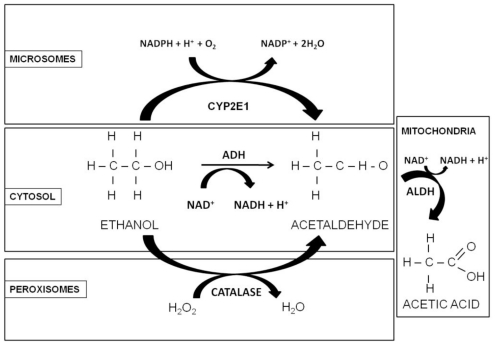
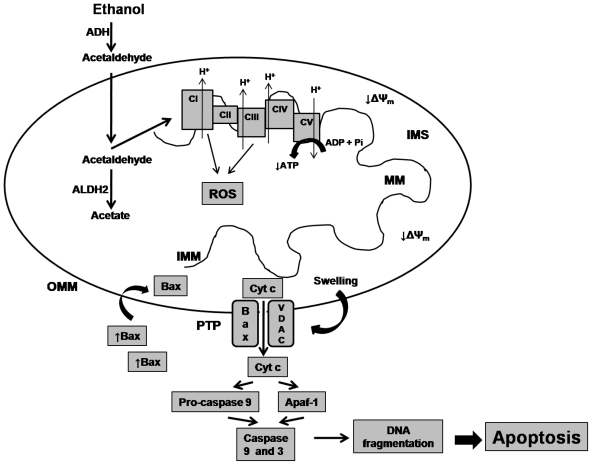
Alcohol dependence is correlated with a wide spectrum of medical, psychological, behavioral, and social problems. Acute alcohol abuse causes damage to and functional impairment of several organs affecting protein, carbohydrate, and fat metabolism. Mitochondria participate with the conversion of acetaldehyde into acetate and the generation of increased amounts of NADH. Prenatal exposure to ethanol during fetal development induces a wide spectrum of adverse effects in offspring, such as neurologic abnormalities and pre- and post-natal growth retardation. Antioxidant effects have been described due to that alcoholic beverages contain different compounds, such as polyphenols as well as resveratrol. This review analyzes diverse topics on the alcohol consumption effects in several human organs and demonstrates the direct participation of mitochondria as potential target of compounds that can be used to prevent therapies for alcohol abusers.
酒精依赖与广泛的医学、心理、行为和社会问题相关。急性酒精滥用会导致多个器官的损伤和功能障碍,影响蛋白质、碳水化合物和脂肪代谢。线粒体参与将乙醛转化为乙酸和生成更多的 NADH。胎儿发育过程中暴露于乙醇会导致后代出现广泛的不良反应,如神经异常和出生前和出生后生长迟缓。由于酒精饮料含有不同的化合物,如多酚和白藜芦醇,因此具有抗氧化作用。这篇综述分析了酒精对人体多个器官的影响的多个主题,并证明了线粒体的直接参与是可能用于预防酗酒者治疗的化合物的潜在靶点。