U.S. Environmental Protection Agency, 26 W. Martin Luther King Drive, Cincinnati, OH 45268, USA.
Int J Health Geogr. 2011 Mar 30;10:22. doi: 10.1186/1476-072X-10-22.
Drinking water contamination, with the capability to affect large populations, poses a significant risk to public health. In recent water contamination events, the impact of contamination on public health appeared in data streams monitoring health-seeking behavior. While public health surveillance has traditionally focused on the detection of pathogens, developing methods for detection of illness from fast-acting chemicals has not been an emphasis.
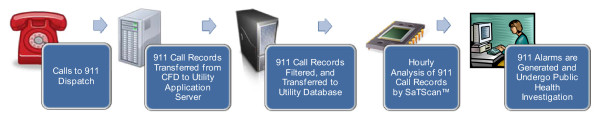
An automated surveillance system was implemented for Cincinnati's drinking water contamination warning system to monitor health-related 911 calls in the city of Cincinnati. Incident codes indicative of possible water contamination were filtered from all 911 calls for analysis. The 911 surveillance system uses a space-time scan statistic to detect potential water contamination incidents. The frequency and characteristics of the 911 alarms over a 2.5 year period were studied.
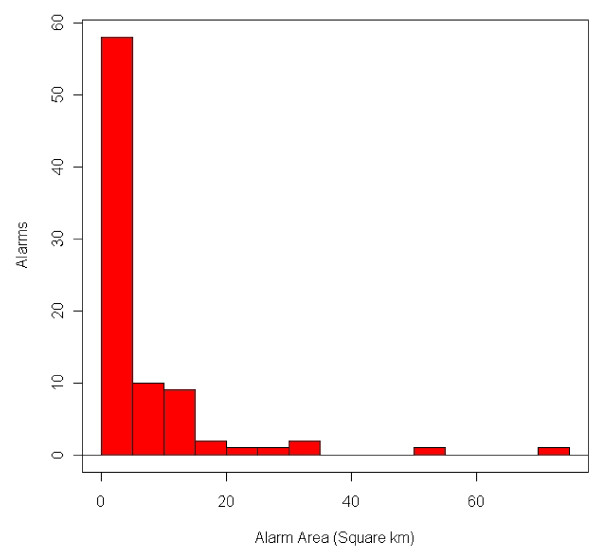
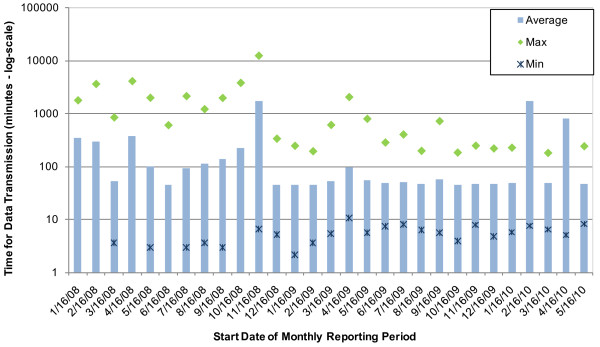
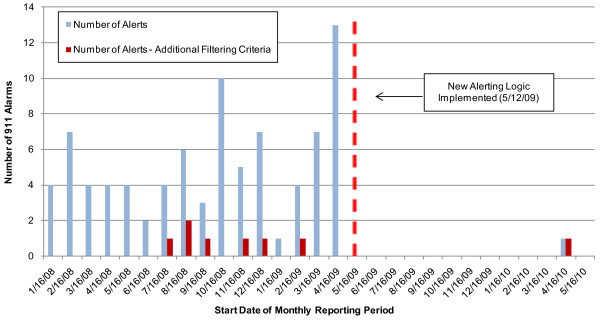
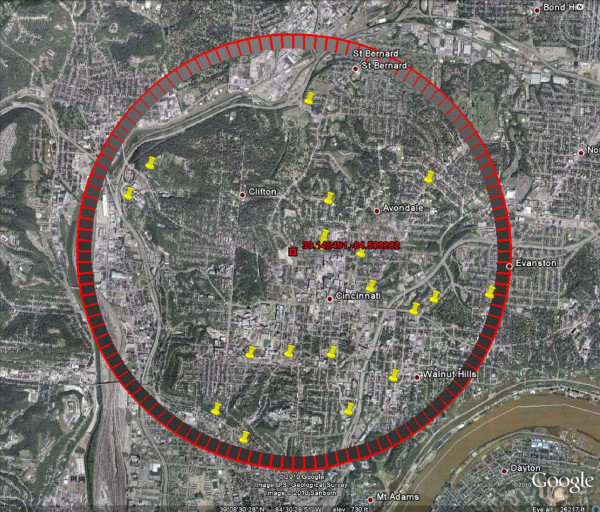
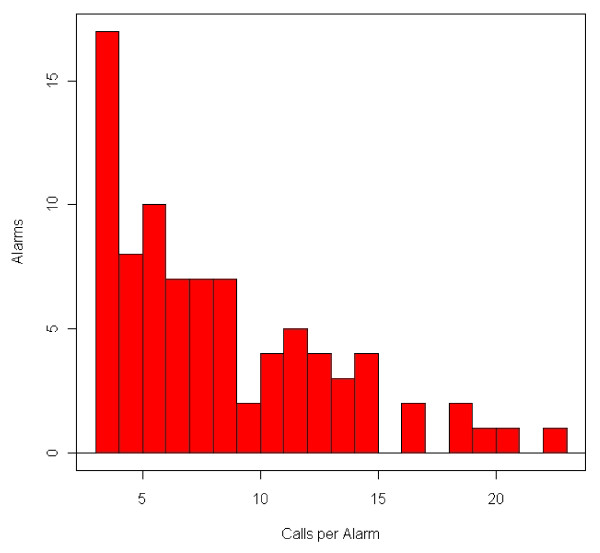
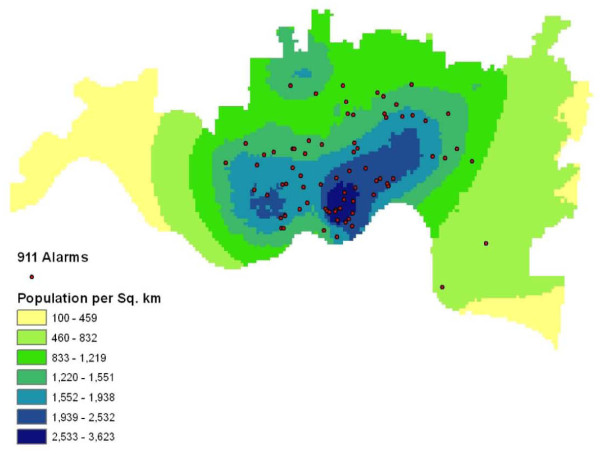
During the evaluation, 85 alarms occurred, although most occurred prior to the implementation of an additional alerting constraint in May 2009. Data were available for analysis approximately 48 minutes after calls indicating alarms may be generated 1-2 hours after a rapid increase in call volume. Most alerts occurred in areas of high population density. The average alarm area was 9.22 square kilometers. The average number of cases in an alarm was nine calls.
The 911 surveillance system provides timely notification of possible public health events, but did have limitations. While the alarms contained incident codes and location of the caller, additional information such as medical status was not available to assist validating the cause of the alarm. Furthermore, users indicated that a better understanding of 911 system functionality is necessary to understand how it would behave in an actual water contamination event.
饮用水污染有可能影响大量人群,对公众健康构成重大风险。在最近的水污染事件中,污染对公众健康的影响出现在监测寻医行为的数据流中。虽然公共卫生监测传统上侧重于病原体的检测,但开发针对快速作用化学物质的疾病检测方法并不是重点。
为辛辛那提市的饮用水污染预警系统实施了一个自动化监测系统,以监测该市与健康相关的 911 电话。从所有 911 电话中筛选出可能指示水污染的事件代码进行分析。911 监测系统使用时空扫描统计来检测潜在的水污染事件。研究了 2.5 年期间 911 警报的频率和特征。
在评估期间,发生了 85 次警报,尽管大多数警报发生在 2009 年 5 月实施额外警报约束之前。大约在电话指示警报可能在呼叫量快速增加 1-2 小时后生成后 48 分钟,就可以获得数据分析数据。大多数警报发生在人口密度高的地区。平均警报区域为 9.22 平方公里。警报中的平均病例数为 9 个电话。
911 监测系统及时通知可能发生的公共卫生事件,但存在局限性。虽然警报包含事件代码和呼叫者的位置,但无法提供医疗状况等其他信息来协助验证警报的原因。此外,用户表示,需要更好地了解 911 系统的功能,以了解它在实际水污染事件中的表现。