Department of Biomedical Engineering, Lerner Research Institute, Cleveland Clinic, Cleveland, OH 44195, USA.
Curr Biol. 2011 Jun 7;21(11):933-41. doi: 10.1016/j.cub.2011.04.007. Epub 2011 May 19.
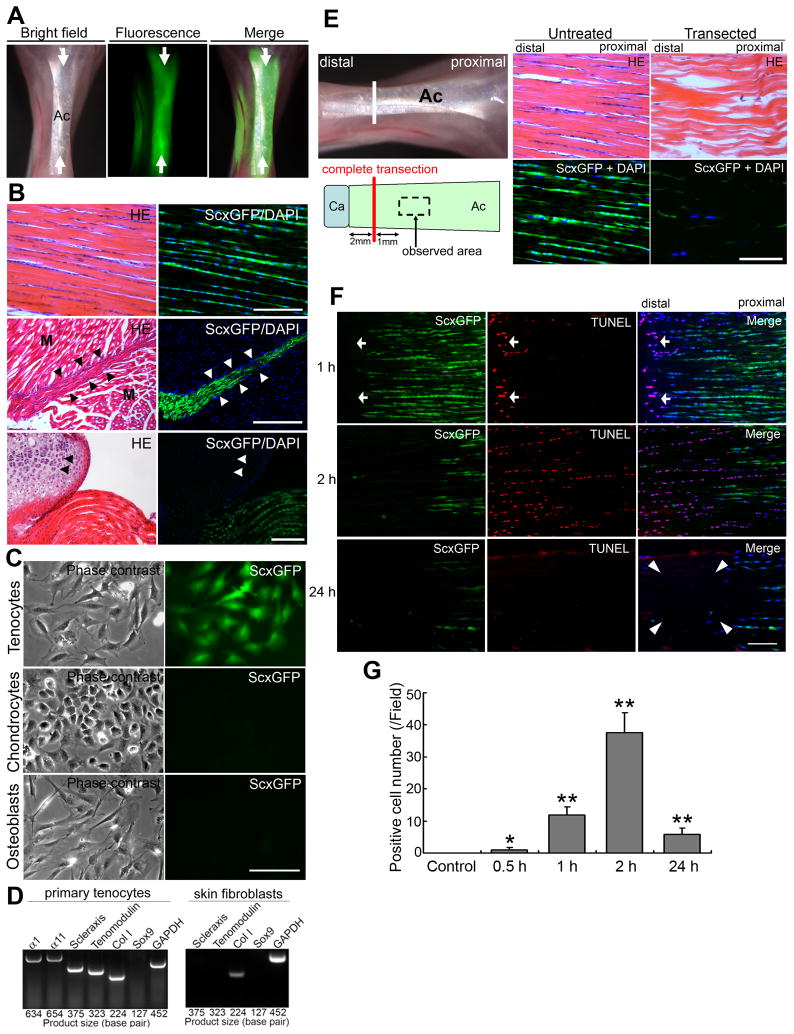
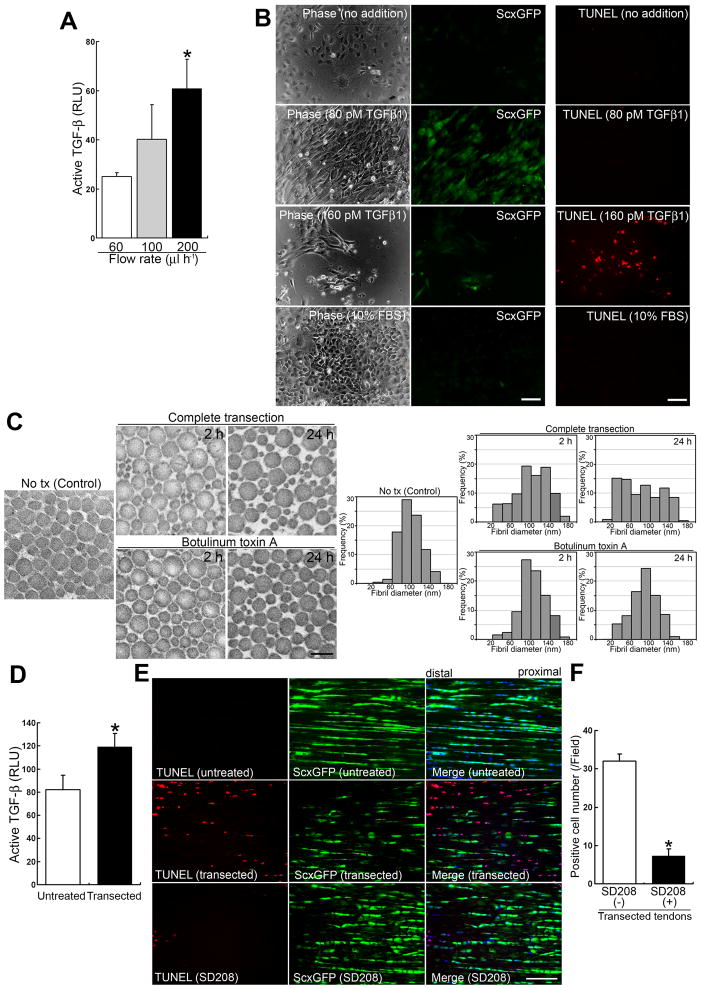
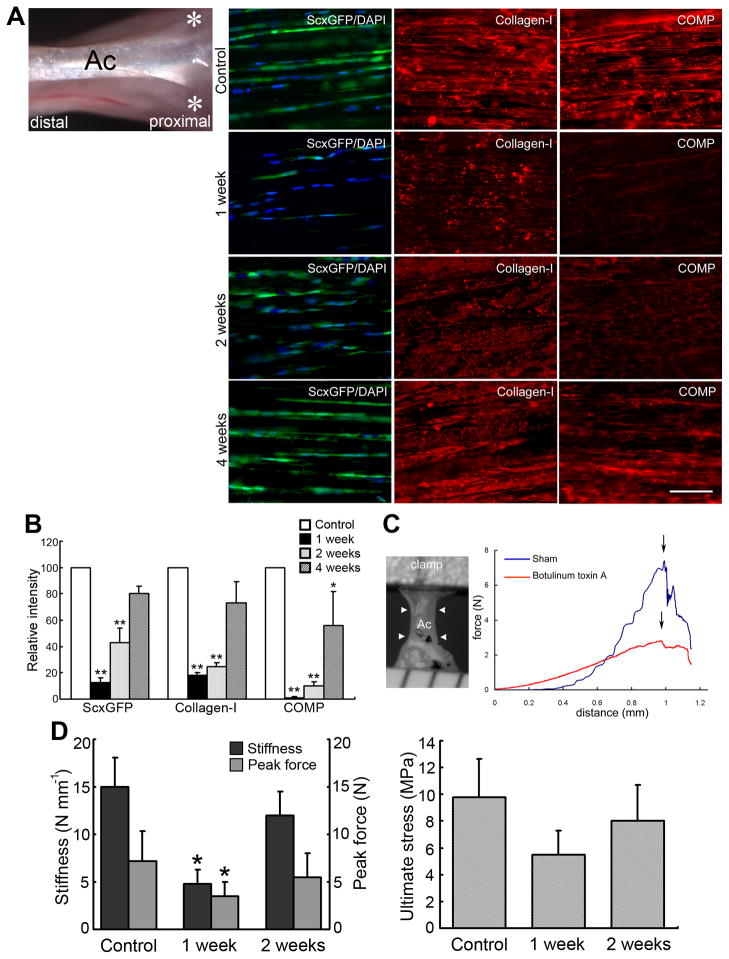
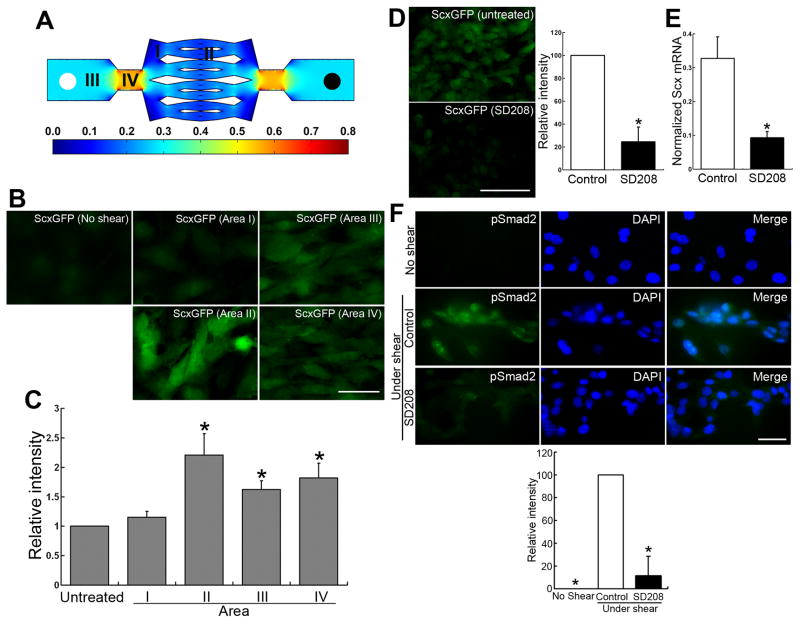
Mechanical forces influence homeostasis in virtually every tissue [1, 2]. Tendon, constantly exposed to variable mechanical force, is an excellent model in which to study the conversion of mechanical stimuli into a biochemical response [3-5]. Here we show in a mouse model of acute tendon injury and in vitro that physical forces regulate the release of active transforming growth factor (TGF)-β from the extracellular matrix (ECM). The quantity of active TGF-β detected in tissue exposed to various levels of tensile loading correlates directly with the extent of physical forces. At physiological levels, mechanical forces maintain, through TGF-β/Smad2/3-mediated signaling, the expression of Scleraxis (Scx), a transcription factor specific for tenocytes and their progenitors. The gradual and temporary loss of tensile loading causes reversible loss of Scx expression, whereas sudden interruption, such as in transection tendon injury, destabilizes the structural organization of the ECM and leads to excessive release of active TGF-β and massive tenocyte death, which can be prevented by the TGF-β type I receptor inhibitor SD208. Our findings demonstrate a critical role for mechanical force in adult tendon homeostasis. Furthermore, this mechanism could translate physical force into biochemical signals in a much broader variety of tissues or systems in the body.
机械力几乎影响到所有组织的内稳态[1,2]。肌腱不断受到可变机械力的作用,是研究机械刺激转化为生化反应的绝佳模型[3-5]。在这里,我们在急性肌腱损伤的小鼠模型和体外实验中表明,物理力调节细胞外基质(ECM)中活性转化生长因子(TGF)-β的释放。在受到不同程度拉伸载荷的组织中检测到的活性 TGF-β的量与物理力的大小直接相关。在生理水平下,机械力通过 TGF-β/Smad2/3 介导的信号通路维持着 Scleraxis(Scx)的表达,Scx 是一种特属于腱细胞及其祖细胞的转录因子。拉伸加载的逐渐和暂时丧失会导致 Scx 表达的可逆性丧失,而突然中断,如在横断肌腱损伤中,会破坏 ECM 的结构组织,并导致大量的活性 TGF-β释放和腱细胞死亡,这可以通过 TGF-β Ⅰ型受体抑制剂 SD208 来预防。我们的研究结果表明,机械力在成人肌腱稳态中起着关键作用。此外,该机制可以将物理力转化为体内更广泛的组织或系统中的生化信号。