Department of Neurosciences, University of New Mexico School of Medicine, Albuquerque, New Mexico, United States of America.
PLoS One. 2011;6(5):e19351. doi: 10.1371/journal.pone.0019351. Epub 2011 May 31.
Fetal alcohol exposure affects 1 in 100 children making it the leading cause of mental retardation in the US. It has long been known that alcohol affects cerebellum development and function. However, the underlying molecular mechanism is unclear.
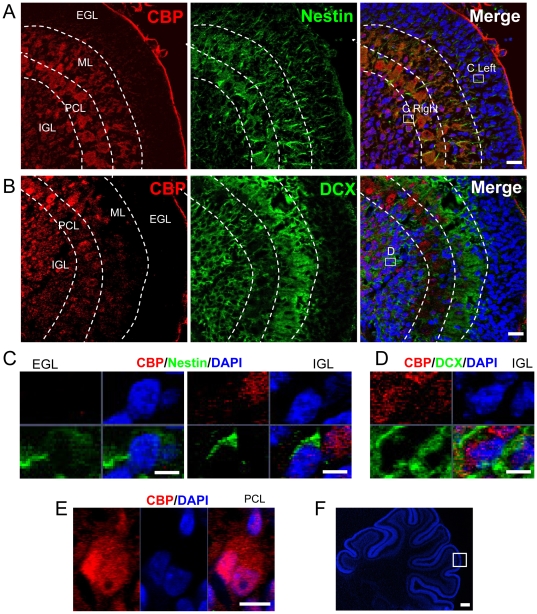
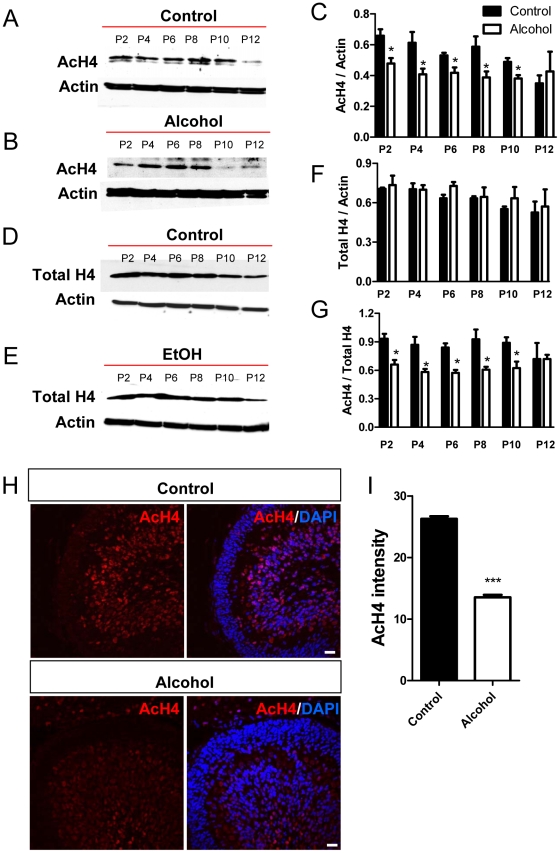
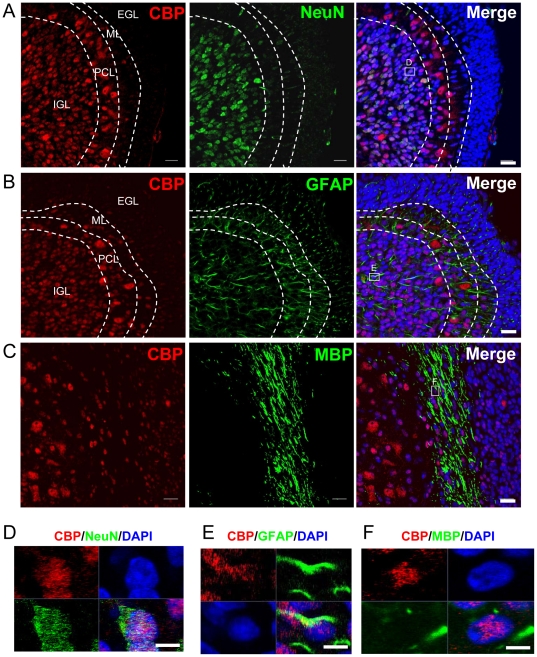
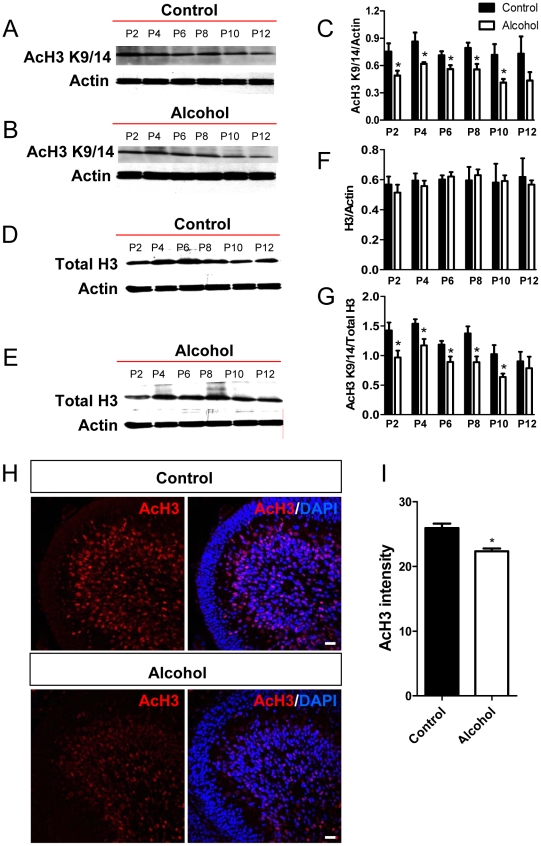
METHODOLOGY/PRINCIPAL FINDINGS: We demonstrate that CREB binding protein (CBP) is widely expressed in granule and Purkinje neurons of the developing cerebellar cortex of naïve rats. We also show that exposure to ethanol during the 3(rd) trimester-equivalent of human pregnancy reduces CBP levels. CBP is a histone acetyltransferase, a component of the epigenetic mechanism controlling neuronal gene expression. We further demonstrate that the acetylation of both histone H3 and H4 is reduced in the cerebellum of ethanol-treated rats.
CONCLUSIONS/SIGNIFICANCE: These findings indicate that ethanol exposure decreases the expression and function of CBP in the developing cerebellum. This effect of ethanol may be responsible for the motor coordination deficits that characterize fetal alcohol spectrum disorders.
胎儿酒精暴露影响了每 100 个儿童中的 1 个,使其成为美国精神发育迟滞的主要原因。长期以来,人们都知道酒精会影响小脑的发育和功能。然而,其潜在的分子机制尚不清楚。
方法/主要发现:我们证明了 CREB 结合蛋白(CBP)在未受刺激的大鼠发育中的小脑皮质的颗粒和浦肯野神经元中广泛表达。我们还表明,在人类妊娠的第三个 trimester-equivalent 期间暴露于乙醇会降低 CBP 水平。CBP 是组蛋白乙酰转移酶,是控制神经元基因表达的表观遗传机制的组成部分。我们进一步证明,在乙醇处理的大鼠小脑组织中,组蛋白 H3 和 H4 的乙酰化均减少。
结论/意义:这些发现表明,乙醇暴露会降低发育中小脑 CBP 的表达和功能。乙醇的这种作用可能是导致胎儿酒精谱系障碍的运动协调缺陷的原因。