Center for Experimental Therapeutics and Reperfusion Injury, Department of Anesthesiology, Perioperative, and Pain Medicine, Brigham and Women's Hospital, Harvard Institutes of Medicine and Harvard Medical School, Boston, MA 02115, USA.
Biochem J. 2011 Jul 15;437(2):185-97. doi: 10.1042/BJ20110327.
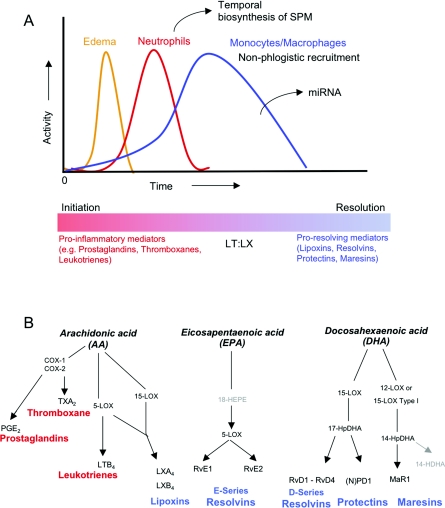
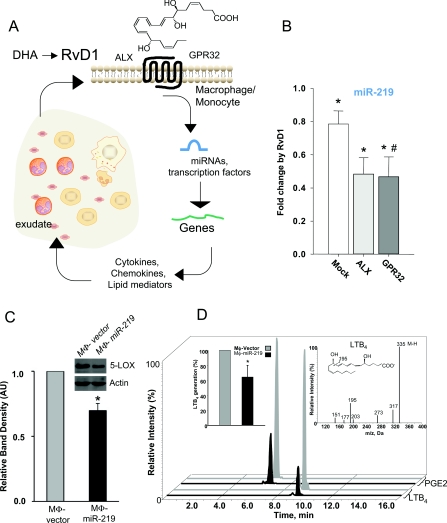
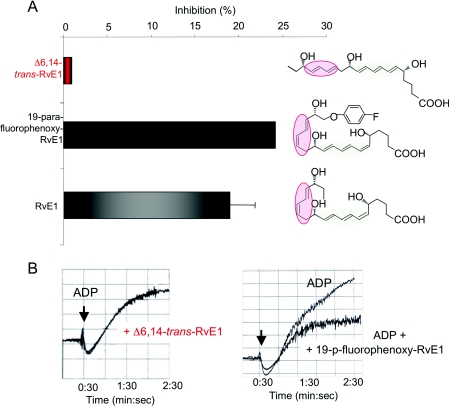
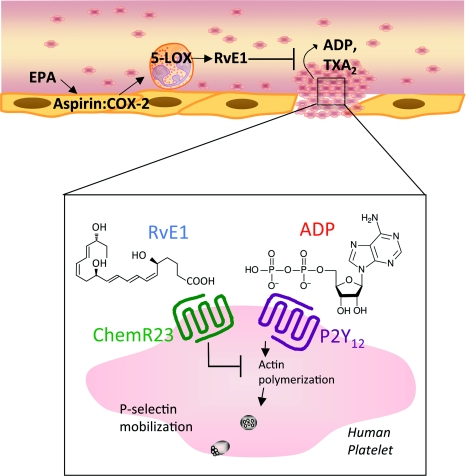
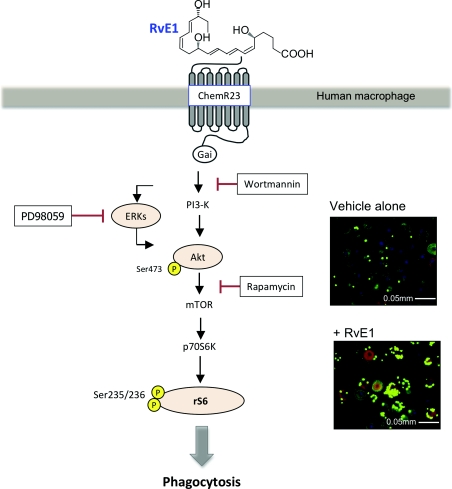
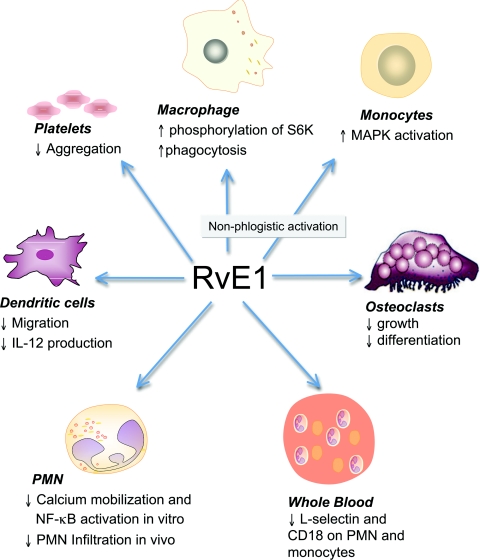
Inflammation when unchecked is associated with many prevalent disorders such as the classic inflammatory diseases arthritis and periodontal disease, as well as the more recent additions that include diabetes and cardiovascular maladies. Hence mechanisms to curtail the inflammatory response and promote catabasis are of immense interest. In recent years, evidence has prompted a paradigm shift whereby the resolution of acute inflammation is a biochemically active process regulated in part by endogenous PUFA (polyunsaturated fatty acid)-derived autacoids. Among these are a novel genus of SPMs (specialized proresolving mediators) that comprise novel families of mediators including lipoxins, resolvins, protectins and maresins. SPMs have distinct structures and act via specific G-protein seven transmembrane receptors that signal intracellular events on selective cellular targets activating proresolving programmes while countering pro-inflammatory signals. An appreciation of these endogenous pathways and mediators that control timely resolution opened a new terrain for therapeutic approaches targeted at stimulating resolution of local inflammation. In the present review, we provide an overview of the biosynthesis and actions of resolvin E1, underscoring its protective role in vascular systems and regulating platelet responses. We also give an overview of newly described resolution circuitry whereby resolvins govern miRNAs (microRNAs), and transcription factors that counter-regulate pro-inflammatory chemokines, cytokines and lipid mediators.
在不受控制的情况下,炎症与许多常见疾病有关,如经典的炎症性疾病关节炎和牙周病,以及最近新增的糖尿病和心血管疾病。因此,遏制炎症反应和促进衰退的机制具有巨大的意义。近年来,有证据促使人们的观念发生转变,即急性炎症的消退是一个受内源性多不饱和脂肪酸(PUFA)衍生自活性物质调节的生化活性过程。其中包括一类新型的 SPM(特殊促解决介质),它们由新型的介质家族组成,包括脂氧素、消退素、保护素和maresin。SPM 具有独特的结构,通过特定的 G 蛋白七跨膜受体发挥作用,该受体在选择性细胞靶标上发出细胞内信号,激活促解决程序,同时对抗促炎信号。对这些控制及时解决的内源性途径和介质的认识为针对刺激局部炎症解决的治疗方法开辟了新的领域。在本综述中,我们概述了 resolvin E1 的生物合成和作用,强调了其在血管系统中的保护作用和调节血小板反应的作用。我们还概述了新描述的解决回路,其中 resolvin 控制 miRNA(microRNA)和转录因子,从而对抗促炎趋化因子、细胞因子和脂质介质。