Department of Pharmaceutics, Faculty of Pharmacy, Tehran University of Medical Sciences, Tehran, Iran.
Int J Nanomedicine. 2011;6:877-95. doi: 10.2147/IJN.S18905. Epub 2011 May 27.
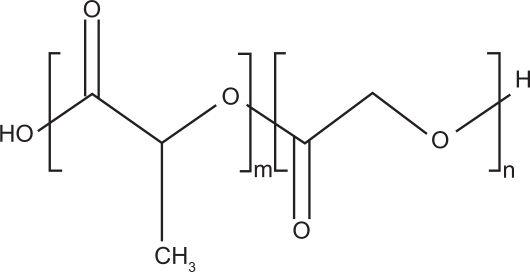
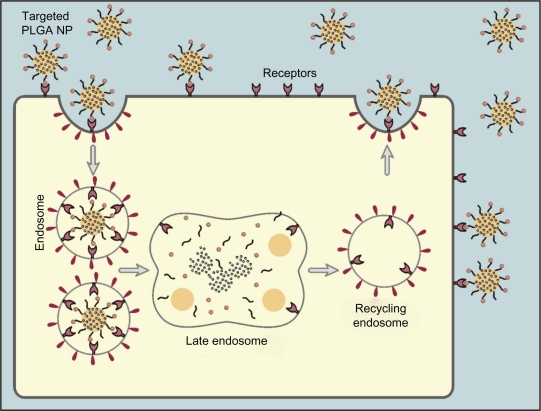
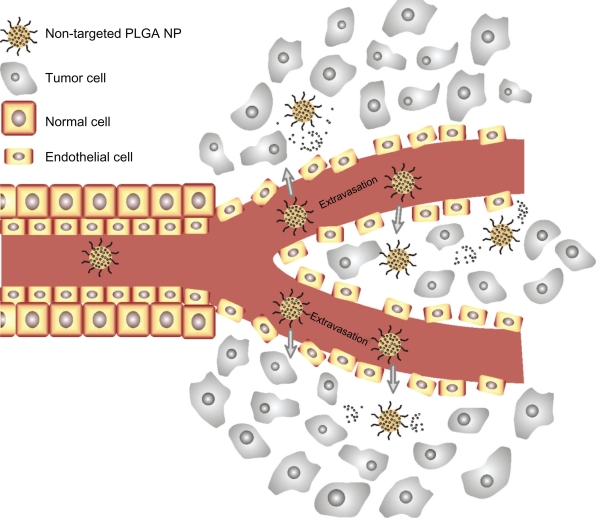
The effectiveness of anticancer agents may be hindered by low solubility in water, poor permeability, and high efflux from cells. Nanomaterials have been used to enable drug delivery with lower toxicity to healthy cells and enhanced drug delivery to tumor cells. Different nanoparticles have been developed using different polymers with or without surface modification to target tumor cells both passively and/or actively. Polylactide-co-glycolide (PLGA), a biodegradable polyester approved for human use, has been used extensively. Here we report on recent developments concerning PLGA nanoparticles prepared for cancer treatment. We review the methods used for the preparation and characterization of PLGA nanoparticles and their applications in the delivery of a number of active agents. Increasing experience in the field of preparation, characterization, and in vivo application of PLGA nanoparticles has provided the necessary momentum for promising future use of these agents in cancer treatment, with higher efficacy and fewer side effects.
抗癌药物的有效性可能受到水溶性低、渗透性差和细胞内高外排等因素的阻碍。纳米材料已被用于实现对健康细胞毒性更低、对肿瘤细胞药物递送能力更强的药物递送。已经开发了不同的纳米颗粒,使用不同的聚合物,带有或不带有表面修饰,以被动和/或主动的方式靶向肿瘤细胞。聚乳酸-共-羟基乙酸(PLGA)是一种可生物降解的聚酯,已被广泛用于人体。在这里,我们报告了最近在用于癌症治疗的 PLGA 纳米颗粒方面的进展。我们回顾了用于制备和表征 PLGA 纳米颗粒的方法及其在多种活性药物递送上的应用。在 PLGA 纳米颗粒的制备、表征和体内应用领域不断增加的经验为这些药物在癌症治疗中的更有前景的应用提供了必要的动力,具有更高的疗效和更少的副作用。