Department of Psychiatry, Indiana University School of Medicine, 791Union Drive, Indianapolis IN 46202, USA.
Curr Med Chem. 2011;18(22):3306-13. doi: 10.2174/092986711796504664.
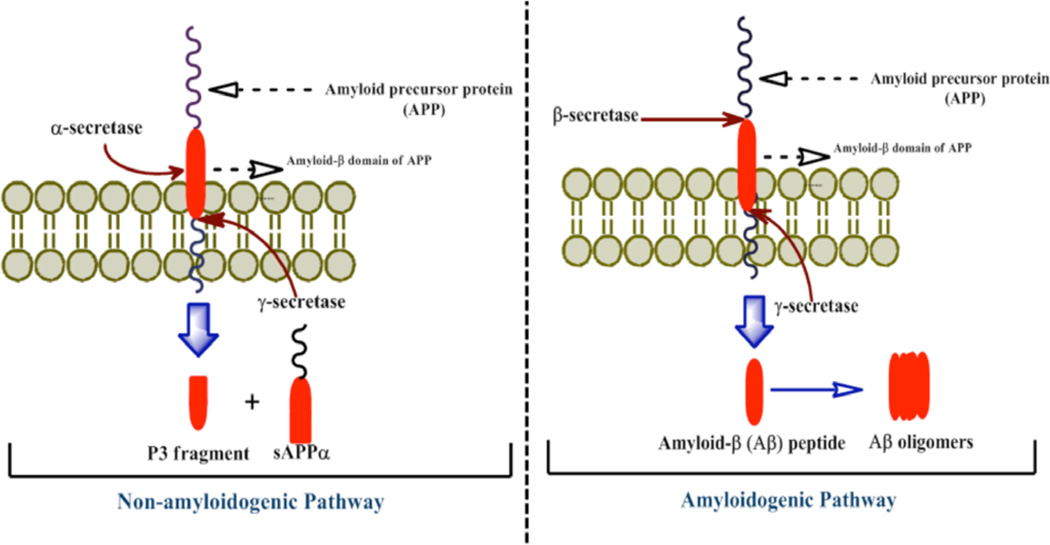
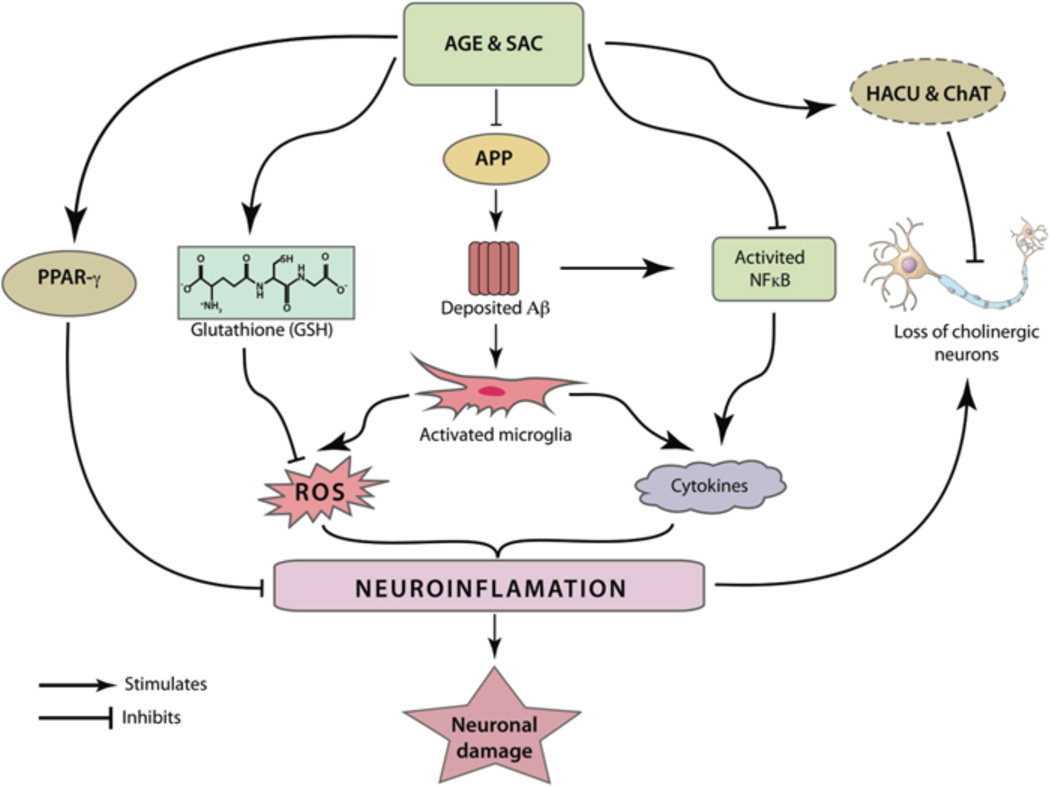
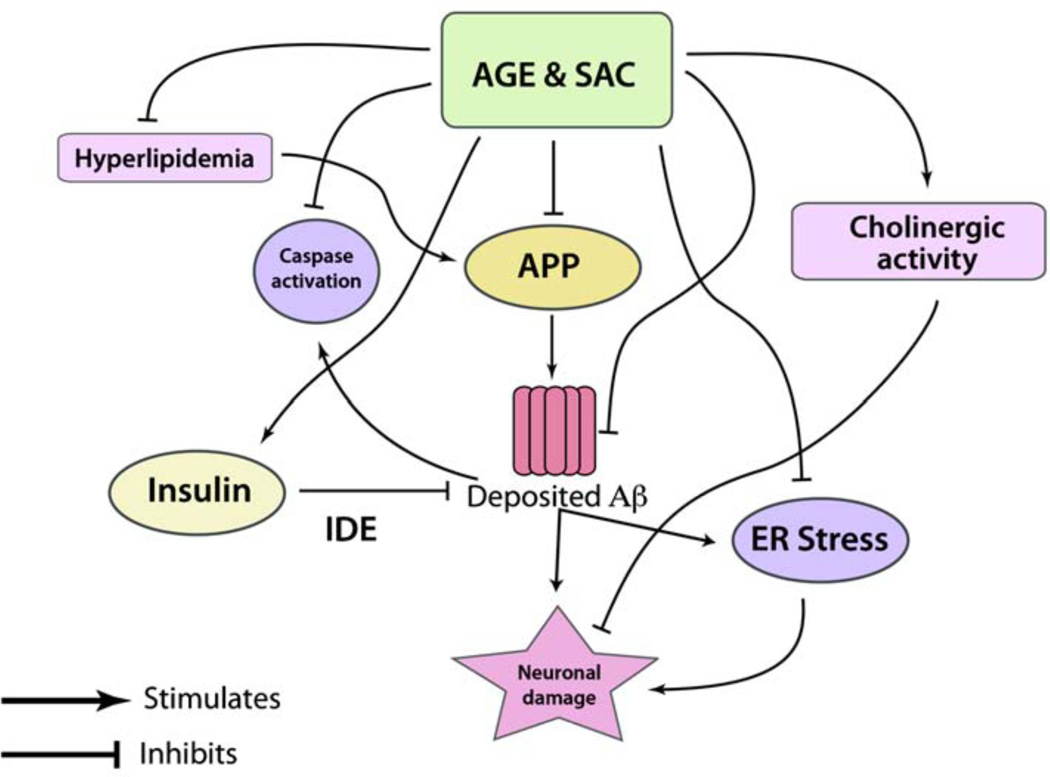
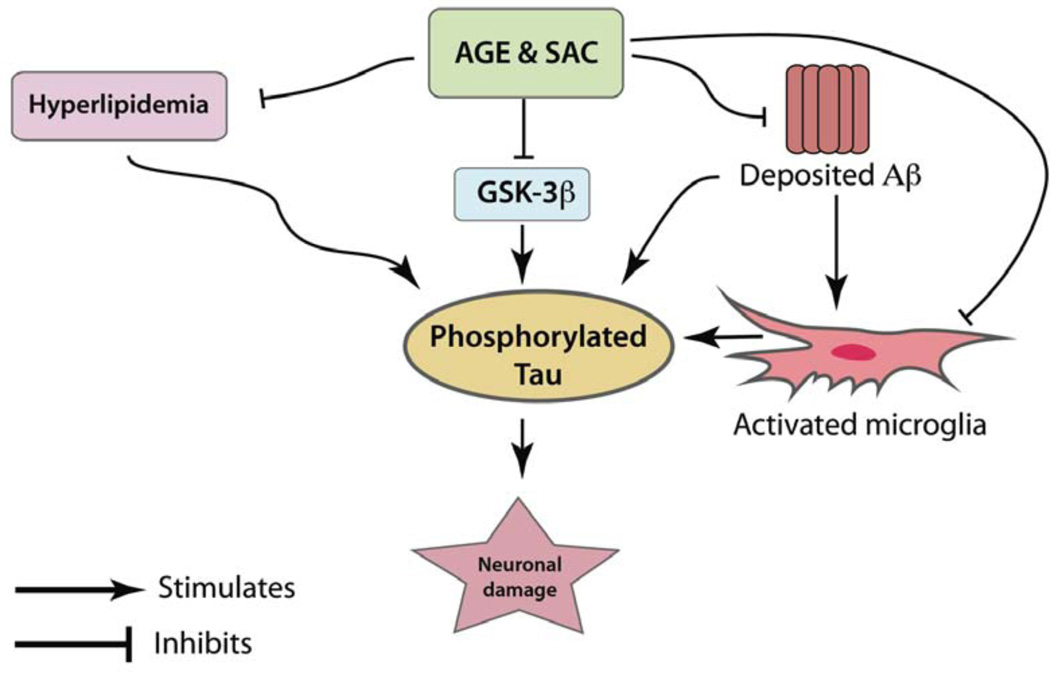
Alzheimer's disease (AD) is the most common form of dementia in the older people and 7(th) leading cause of death in the United States. Deposition of amyloid-beta (Aβ) plaques, hyperphosphorylation of microtubule associated protein tau (MAPT), neuroinflammation and cholinergic neuron loss are the major hallmarks of AD. Deposition of Aβ peptides, which takes place years before the clinical onset of the disease can trigger hyperphophorylation of tau proteins and neuroinflammation, and the latter is thought to be primarily involved in neuronal and synaptic damage seen in AD. To date, four cholinesterase inhibitors or ChEI (tacrine, rivastigmine, donepezil and galantamine) and a partial NMDA receptor antagonist (memantine) are the only approved treatment options for AD. However, these drugs fail to completely cure the disease, which warrants a search for newer class of targets that would eventually lead to effective drugs for the treatment of AD. In addition to selected pharmacological agents, botanical and medicinal plant extracts are also being investigated. Apart from its culinary use, garlic (Allium sativum) is being used to treat several ailments like cancer and diabetes. Herein we have discussed the effects of a specific 'Aged Garlic Extract' (AGE) and one of its active ingredients, S-allyl-L-cysteine (SAC) in restricting several pathological cascades related to the synaptic degeneration and neuroinflammatory pathways associated with AD. Thus, based on the reported positive preliminary results reviewed herein, further research is required to develop the full potential of AGE and/or SAC into an effective preventative strategy for AD.
阿尔茨海默病(AD)是老年人中最常见的痴呆症形式,也是美国第七大致死原因。淀粉样β(Aβ)斑块沉积、微管相关蛋白 tau(MAPT)过度磷酸化、神经炎症和胆碱能神经元丧失是 AD 的主要特征。Aβ肽的沉积发生在疾病临床发作前数年,可引发 tau 蛋白过度磷酸化和神经炎症,后者被认为主要参与 AD 中观察到的神经元和突触损伤。迄今为止,四种胆碱酯酶抑制剂或 ChEI(他克林、利斯的明、多奈哌齐和加兰他敏)和一种部分 NMDA 受体拮抗剂(美金刚)是 AD 的唯一批准治疗选择。然而,这些药物未能完全治愈该疾病,因此需要寻找新的靶标类别,最终为 AD 的治疗提供有效的药物。除了选择的药物外,植物和药用植物提取物也在被研究。除了烹饪用途外,大蒜(Allium sativum)还用于治疗癌症和糖尿病等多种疾病。在此,我们讨论了一种特定的“陈蒜提取物”(AGE)及其活性成分 S-烯丙基-L-半胱氨酸(SAC)在限制与 AD 相关的突触退化和神经炎症途径相关的几种病理级联反应中的作用。因此,基于本文综述的报道的初步积极结果,需要进一步研究以充分发挥 AGE 和/或 SAC 的潜力,将其开发为 AD 的有效预防策略。