Rosa Darlan P, Martinez Denis, Picada Jaqueline N, Semedo Juliane G, Marroni Norma P
Programa de Pós-Graduação em Medicina: Ciências Médicas, Universidade Federal do Rio Grande do Sul, Rio Grande do Sul, Brasil.
Comp Hepatol. 2011 Jul 5;10(1):1. doi: 10.1186/1476-5926-10-1.
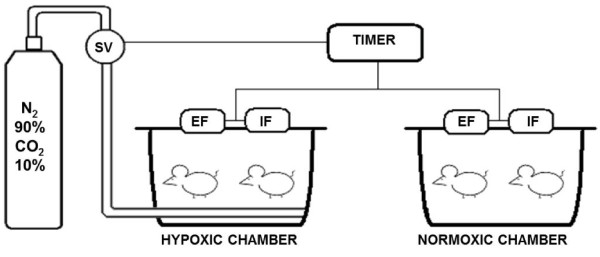
Repeated apnoea events cause intermittent hypoxia (IH), which alters the function of various systems and produces free radicals and oxidative stress.
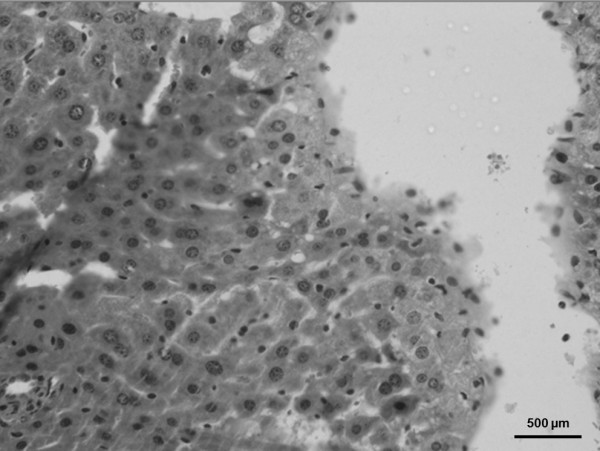
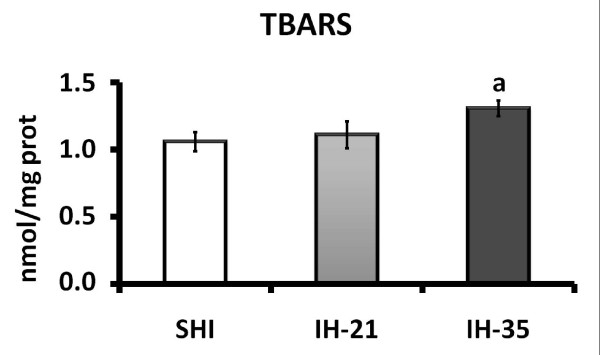
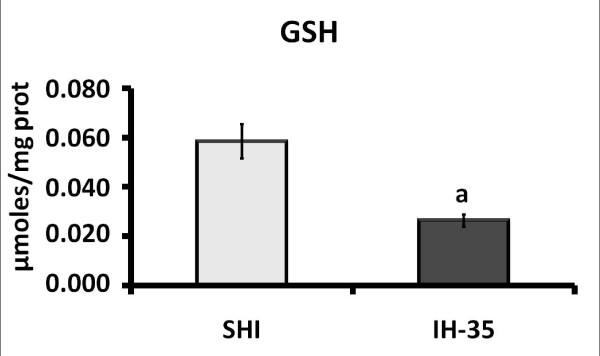
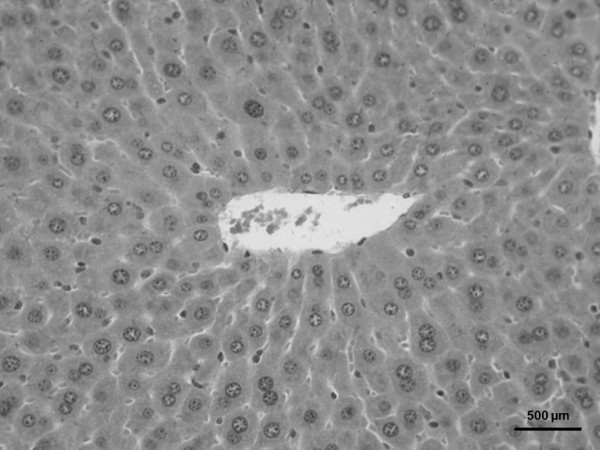
We investigated hepatic oxidative stress in adult mice subjected to intermittent hypoxia, simulating sleep apnoea. Three groups were submitted to 21 days of IH (IH-21), 35 days of IH (IH-35), or 35 days of sham IH. We assessed the oxidative damage to lipids by TBARS and to DNA by comet assay; hepatic tissue inflammation was assessed in HE-stained slides. Antioxidants were gauged by catalase, superoxide dismutase, glutathione peroxidase activity and by total glutathione.
After IH-21, no significant change was observed in hepatic oxidative stress. After IH-35, significant oxidative stress, lipid peroxidation, DNA damage and reduction of endogenous antioxidants were detected.
In an animal model of sleep apnoea, intermittent hypoxia causes liver damage due to oxidative stress after 35 days, but not after 21 days.
反复的呼吸暂停事件会导致间歇性缺氧(IH),这会改变各种系统的功能并产生自由基和氧化应激。
我们在模拟睡眠呼吸暂停的成年小鼠中研究了间歇性缺氧引起的肝脏氧化应激。三组分别接受21天的间歇性缺氧(IH-21)、35天的间歇性缺氧(IH-35)或35天的假间歇性缺氧处理。我们通过硫代巴比妥酸反应物(TBARS)评估脂质的氧化损伤,通过彗星试验评估DNA的氧化损伤;在苏木精-伊红(HE)染色的切片中评估肝组织炎症。通过过氧化氢酶、超氧化物歧化酶、谷胱甘肽过氧化物酶活性以及总谷胱甘肽来衡量抗氧化剂。
在IH-21之后,未观察到肝脏氧化应激有显著变化。在IH-35之后,检测到显著的氧化应激、脂质过氧化、DNA损伤以及内源性抗氧化剂的减少。
在睡眠呼吸暂停的动物模型中,间歇性缺氧在35天后会由于氧化应激导致肝脏损伤,但在21天后不会。