Department of Public and Occupational Health, VU University Medical Centre, Amsterdam, The Netherlands.
BMC Public Health. 2011 Jul 19;11:575. doi: 10.1186/1471-2458-11-575.
During the course of an influenza pandemic, governments know relatively little about the possibly changing influence of government trust, risk perception, and receipt of information on the public's intention to adopt protective measures or on the acceptance of vaccination. This study aims to identify and describe possible changes in and factors associated with public's intentions during the 2009 influenza A (H1N1) pandemic in the Netherlands.
Sixteen cross-sectional telephone surveys were conducted (N = 8060) between April - November 2009. From these repeated measurements three consecutive periods were categorized based on crucial events during the influenza A (H1N1) pandemic. Time trends in government trust, risk perception, intention to adopt protective measures, and the acceptance of vaccination were analysed. Factors associated with an intention to adopt protective measures or vaccination were identified.
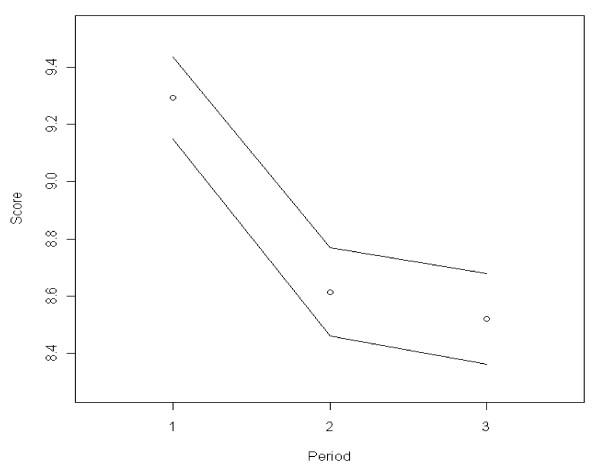
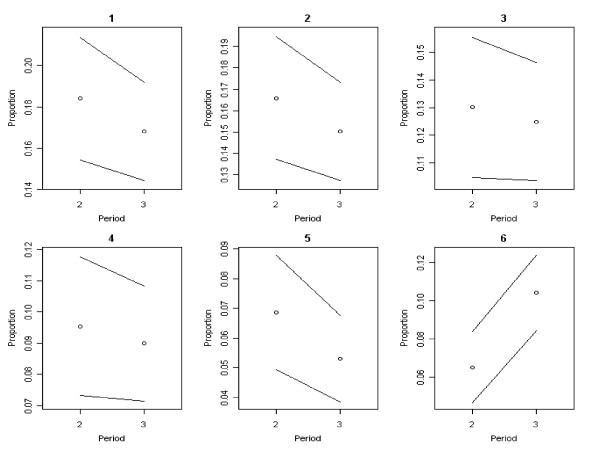
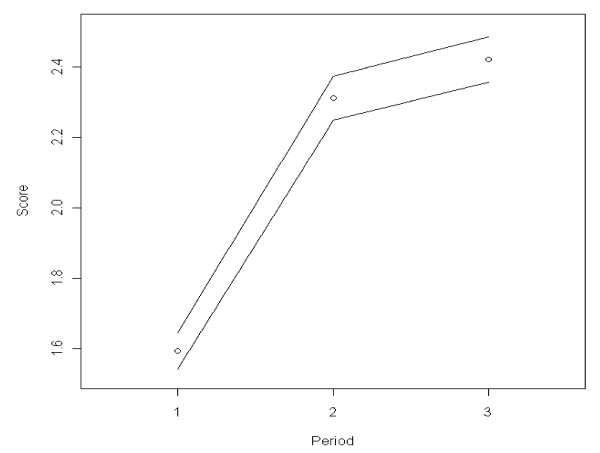
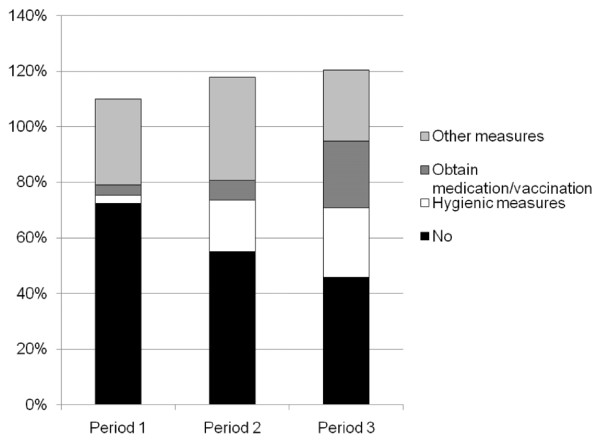
Trust in the government was high, but decreased over time. During the course of the pandemic, perceived vulnerability and an intention to adopt protective measures increased. Trust and vulnerability were associated with an intention to adopt protective measures in general only during period one. Higher levels of intention to receive vaccination were associated with increased government trust, fear/worry, and perceived vulnerability. In periods two and three receipt of information was positively associated with an intention to adopt protective measures. Most respondents wanted to receive information about infection prevention from municipal health services, health care providers, and the media.
The Dutch response to the H1N1 virus was relatively muted. Higher levels of trust in the government, fear/worry, and perceived vulnerability were all positively related to an intention to accept vaccination. Only fear/worry was positively linked to an intention to adopt protective measures during the entire pandemic. Risk and crisis communication by the government should focus on building and maintaining trust by providing information about preventing infection in close collaboration with municipal health services, health care providers, and the media.
在流感大流行期间,政府对民众的保护措施采纳意愿或疫苗接种接受意愿的政府信任、风险感知和信息获取可能发生变化的影响知之甚少。本研究旨在确定和描述 2009 年荷兰甲型 H1N1 流感大流行期间公众意图可能发生的变化以及相关因素。
2009 年 4 月至 11 月期间进行了 16 次横断面电话调查(N=8060)。根据流感 A(H1N1)大流行期间的关键事件,将这一系列重复测量分为三个连续时期。分析了政府信任、风险感知、采取保护措施的意愿和疫苗接种接受率的时间趋势。确定了与采取保护措施或接种疫苗的意愿相关的因素。
政府信任度高,但随着时间的推移而下降。在大流行期间,感知脆弱性和采取保护措施的意愿增加。信任和脆弱性仅在第一时期与采取保护措施的总体意愿相关。更高的疫苗接种意愿与政府信任度、恐惧/担忧和感知脆弱性增加有关。在第二和第三时期,获取信息与采取保护措施的意愿呈正相关。大多数受访者希望从市立卫生服务机构、卫生保健提供者和媒体获取感染预防信息。
荷兰对 H1N1 病毒的反应相对温和。更高的政府信任度、恐惧/担忧和感知脆弱性都与接种疫苗的意愿呈正相关。只有恐惧/担忧在整个大流行期间与采取保护措施的意愿呈正相关。政府的风险和危机沟通应侧重于通过与市立卫生服务机构、卫生保健提供者和媒体合作提供有关预防感染的信息来建立和维护信任。