Department for Health, University of Bath, Bath, UK.
Glob Public Health. 2011;6(6):621-42. doi: 10.1080/17441692.2011.595727.
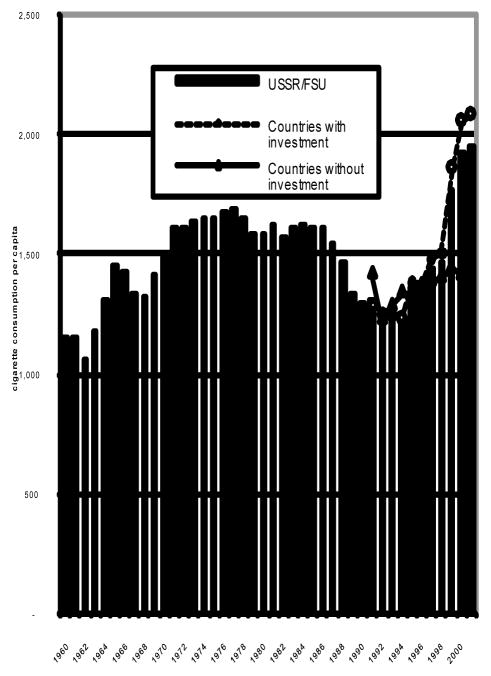
State-owned tobacco companies, which still account for 40% of global cigarette production, face continued pressure from, among others, the International Monetary Fund (IMF), to be privatised. This review of available literature on tobacco industry privatisation suggests that any economic benefits of privatisation may be lower than supposed, because private owners avoid competitive tenders (thus underpaying for assets), negotiate lengthy tax holidays and are complicit in the smuggling of cigarettes to avoid import and excise duties. It outlines how privatisation leads to increased marketing, more effective distribution and lower prices, creating additional demand for cigarettes among new and existing smokers, leading to increased cigarette consumption, higher smoking prevalence and lower age of smoking initiation. Privatisation also weakens tobacco control because private owners, in their drive for profits, lobby aggressively against effective policies and ignore or overturn existing policies. This evidence suggests that further tobacco industry privatisation is likely to increase smoking and that instead of transferring assets from state to private ownership, alternative models of supply should be explored.
国有烟草公司仍然占全球卷烟产量的 40%,它们面临着来自国际货币基金组织(IMF)等方面的持续压力,要求它们私有化。对现有关于烟草业私有化的文献的回顾表明,私有化带来的任何经济效益可能低于预期,因为私人所有者回避竞标(从而低估资产),协商冗长的税收假期,并参与走私香烟以逃避进口税和消费税。它概述了私有化如何导致营销增加、分销更有效和价格降低,从而在新烟民和现有烟民中增加对香烟的需求,导致香烟消费增加、吸烟率上升和吸烟起始年龄降低。私有化还削弱了烟草控制,因为私营所有者为了追求利润,积极游说反对有效政策,并忽视或推翻现有的政策。这一证据表明,进一步的烟草业私有化可能会增加吸烟,而不是将资产从国有制转移到私有制,应该探索替代的供应模式。