Peptide and Protein Laboratory, Infection Biology Research Program, Haartman Institute, PO Box 21, FI-00014, University of Helsinki, Finland.
Virology. 2011 Sep 15;418(1):12-20. doi: 10.1016/j.virol.2011.06.030. Epub 2011 Jul 31.
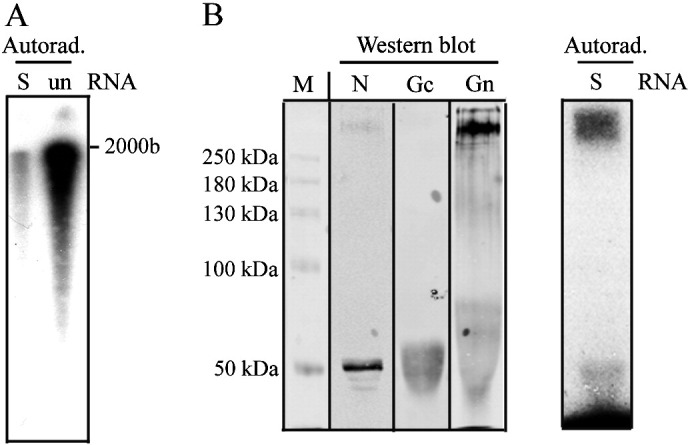
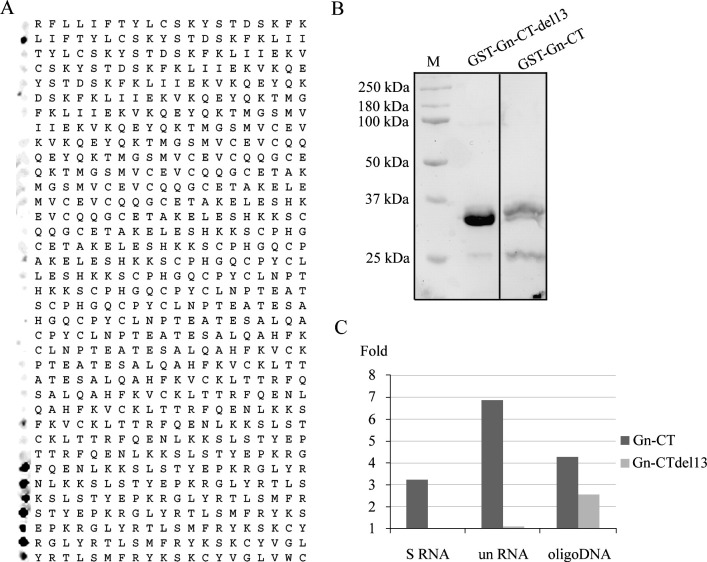
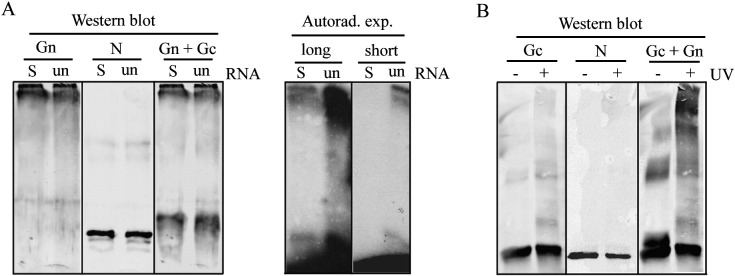
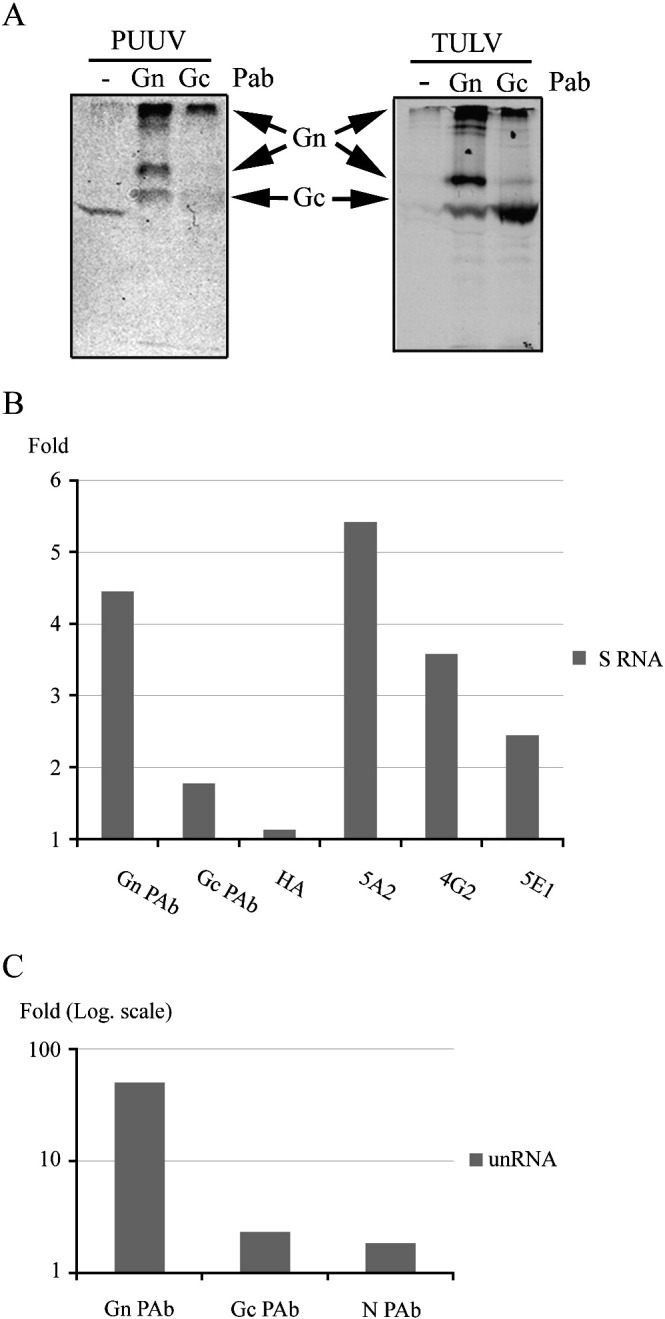
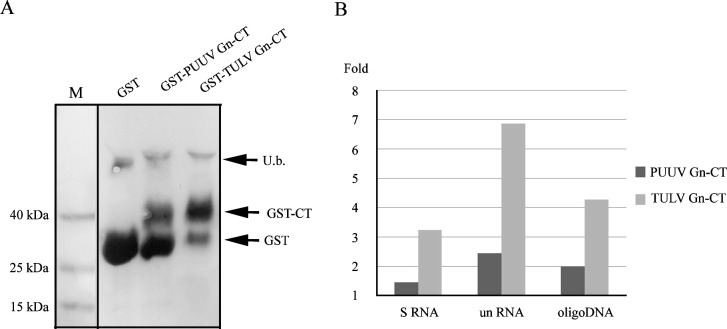
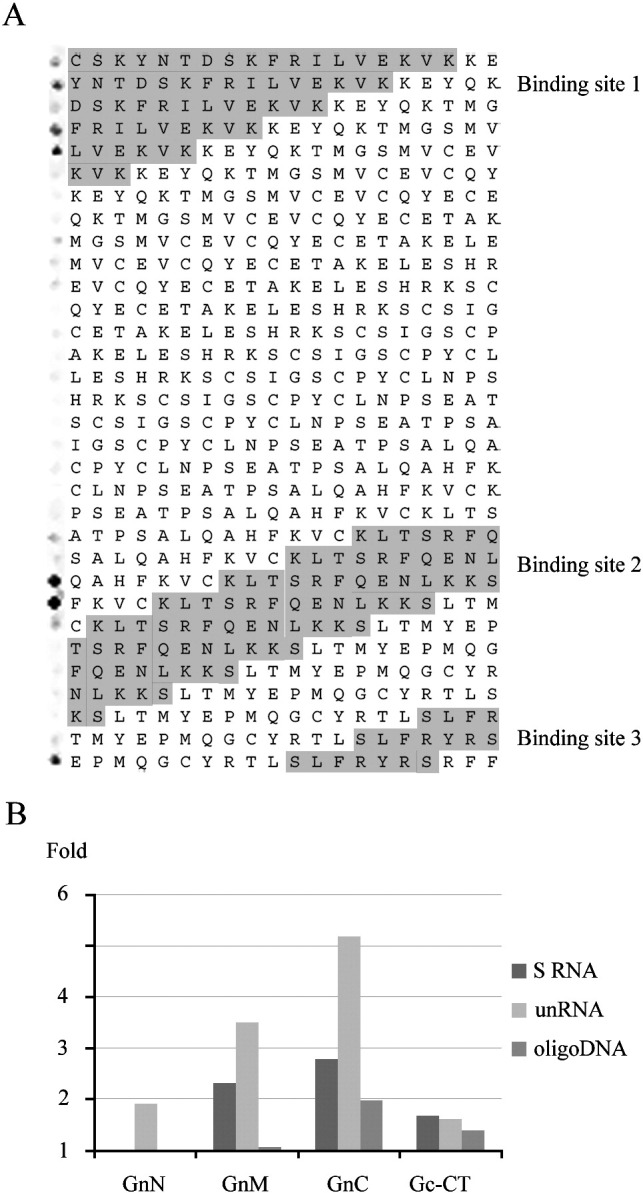
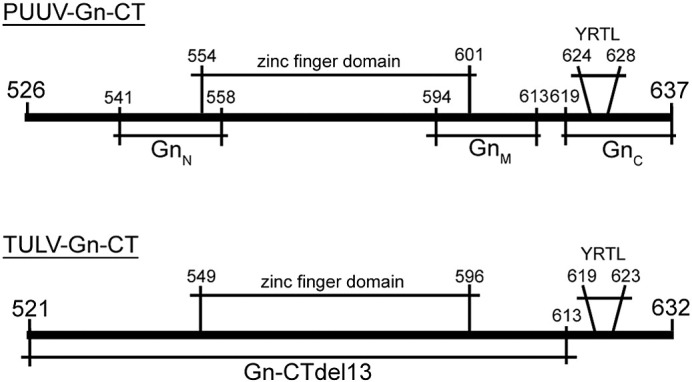
We recently characterized the interaction between the intraviral domains of envelope glycoproteins (Gn and Gc) and ribonucleoprotein (RNP) of Puumala and Tula hantaviruses (genus Hantavirus, family Bunyaviridae). Herein we report a direct interaction between spike-forming glycoprotein and nucleic acid. We show that the envelope glycoprotein Gn of hantaviruses binds genomic RNA through its cytoplasmic tail (CT). The nucleic acid binding of Gn-CT is unspecific, as demonstrated by interactions with unrelated RNA and with single-stranded DNA. Peptide scan and protein deletions of Gn-CT mapped the nucleic acid binding to regions that overlap with the previously characterized N protein binding sites and demonstrated the carboxyl-terminal part of Gn-CT to be the most potent nucleic acid-binding site. We conclude that recognition of the RNP complex by the Gn-CT could be mediated by interactions with both genomic RNA and the N protein. This would provide the required selectivity for the genome packaging of hantaviruses.
我们最近描述了泡状病毒和图拉病毒(属汉坦病毒科布尼亚病毒科)囊膜糖蛋白(Gn 和 Gc)和核糖核蛋白(RNP)之间的相互作用。在此,我们报告了刺突形成糖蛋白和核酸之间的直接相互作用。我们发现汉坦病毒的囊膜糖蛋白 Gn 通过其细胞质尾巴(CT)与基因组 RNA 结合。Gn-CT 的核酸结合是无特异性的,这可以通过与不相关的 RNA 和单链 DNA 的相互作用证明。Gn-CT 的肽扫描和蛋白缺失将核酸结合定位到与先前表征的 N 蛋白结合位点重叠的区域,并证明 Gn-CT 的羧基末端部分是最有效的核酸结合位点。我们得出结论,Gn-CT 通过与基因组 RNA 和 N 蛋白的相互作用识别 RNP 复合物。这将为汉坦病毒的基因组包装提供所需的选择性。