Dunn David A, Cannon Matthew V, Irwin Michael H, Pinkert Carl A
Department of Pathobiology, Auburn University , AL, USA.
Biochim Biophys Acta. 2012 May;1820(5):601-7. doi: 10.1016/j.bbagen.2011.08.005. Epub 2011 Aug 11.
Mutations in mitochondrial DNA (mtDNA) cause a variety of pathologic states in human patients. Development of animal models harboring mtDNA mutations is crucial to elucidating pathways of disease and as models for preclinical assessment of therapeutic interventions.
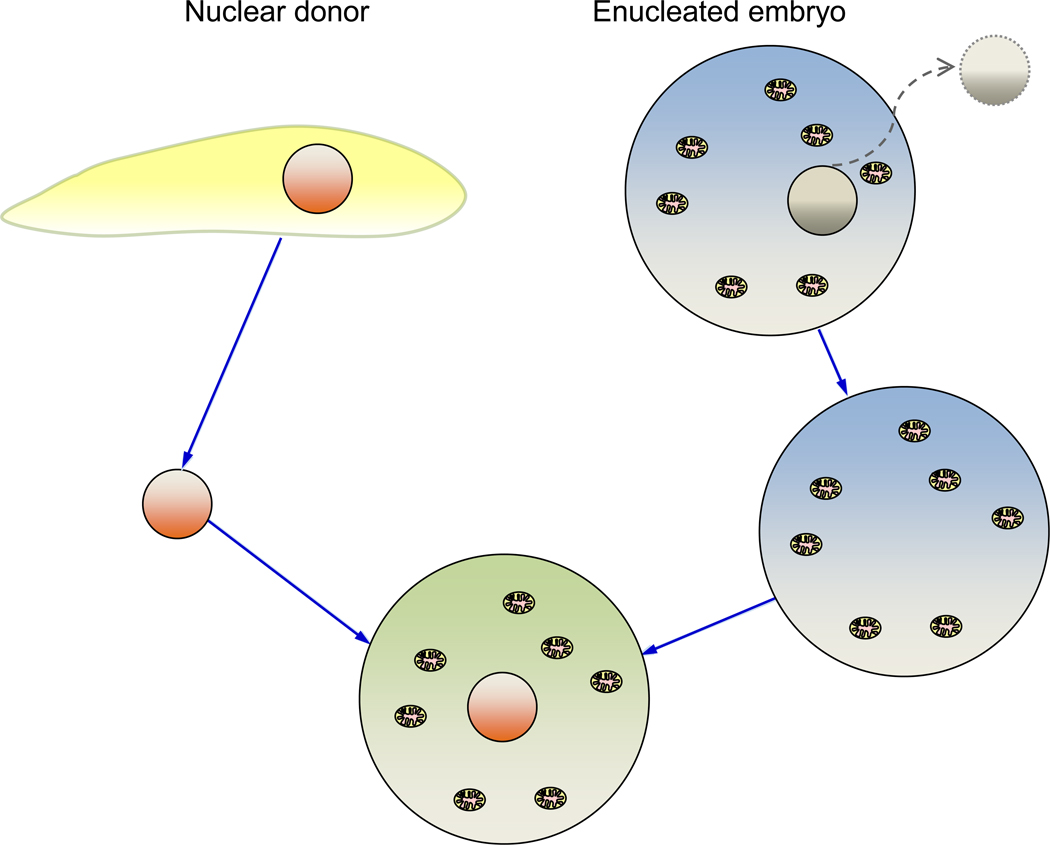
This review covers the knowledge gained through animal models of mtDNA mutations and the strategies used to produce them. Animals derived from spontaneous mtDNA mutations, somatic cell nuclear transfer (SCNT), nuclear translocation of mitochondrial genes followed by mitochondrial protein targeting (allotopic expression), mutations in mitochondrial DNA polymerase gamma, direct microinjection of exogenous mitochondria, and cytoplasmic hybrid (cybrid) embryonic stem cells (ES cells) containing exogenous mitochondria (transmitochondrial cells) are considered.
A wide range of strategies have been developed and utilized in attempts to mimic human mtDNA mutation in animal models. Use of these animals in research studies has shed light on mechanisms of pathogenesis in mitochondrial disorders, yet methods for engineering specific mtDNA sequences are still in development.
Research animals containing mtDNA mutations are important for studies of the mechanisms of mitochondrial disease and are useful for the development of clinical therapies. This article is part of a Special Issue entitled Biochemistry of Mitochondria.
线粒体DNA(mtDNA)突变会导致人类患者出现多种病理状态。构建携带mtDNA突变的动物模型对于阐明疾病发生途径以及作为治疗干预临床前评估的模型至关重要。
本综述涵盖了通过mtDNA突变动物模型获得的知识以及用于构建这些模型的策略。包括源自自发mtDNA突变的动物、体细胞克隆技术(SCNT)、线粒体基因核易位后进行线粒体蛋白靶向(异位表达)、线粒体DNA聚合酶γ突变、直接显微注射外源线粒体以及含有外源线粒体的胞质杂种(细胞杂交体)胚胎干细胞(ES细胞)(线粒体转移细胞)。
已开发并采用了多种策略来尝试在动物模型中模拟人类mtDNA突变。在研究中使用这些动物有助于揭示线粒体疾病的发病机制,但构建特定mtDNA序列的方法仍在开发中。
含有mtDNA突变的实验动物对于线粒体疾病机制的研究很重要,并且对临床治疗的开发也很有用。本文是名为“线粒体生物化学”特刊的一部分。