Proteomics Laboratory, Indian Institute of Toxicology Research, Council of Scientific and Industrial Research, Uttar Pradesh, India.
PLoS One. 2011;6(8):e23395. doi: 10.1371/journal.pone.0023395. Epub 2011 Aug 26.
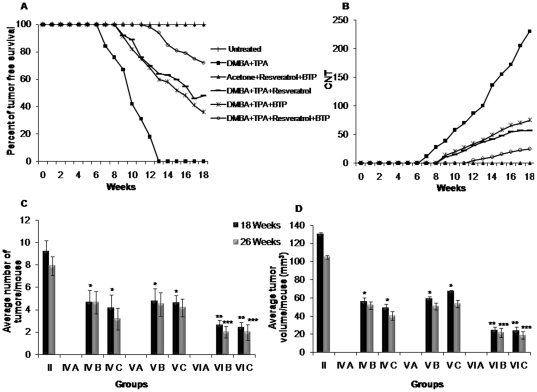
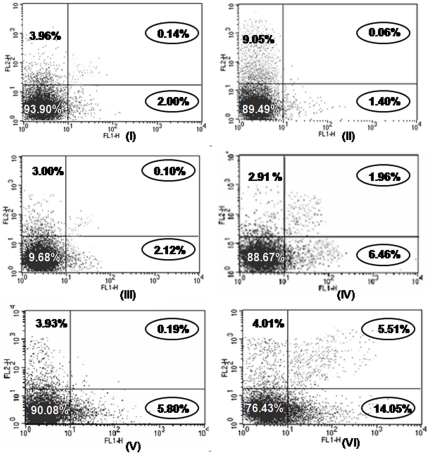
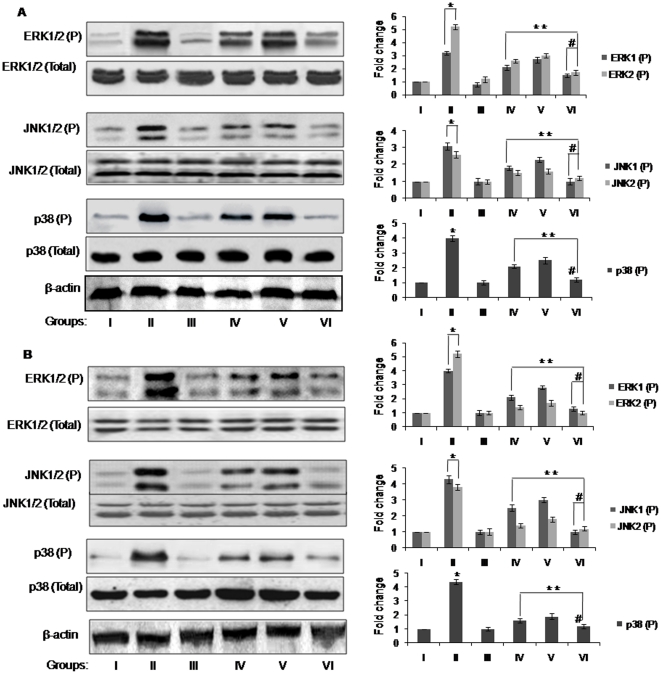
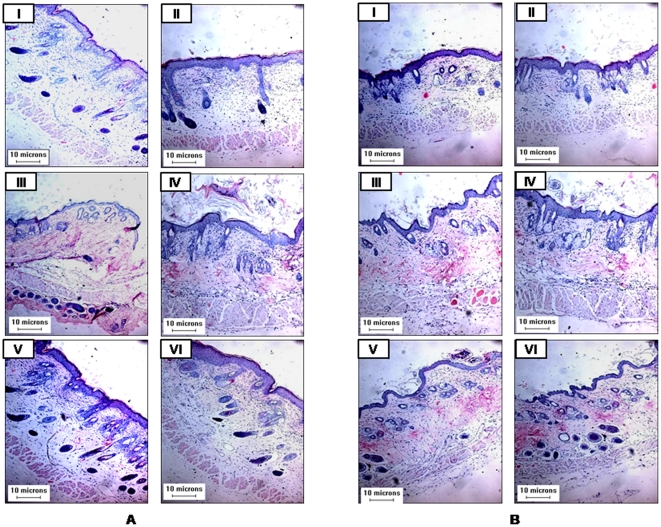
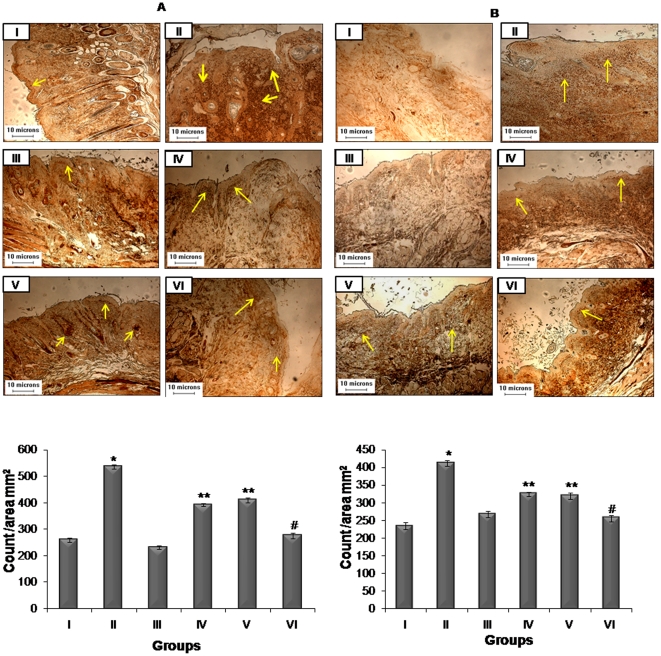
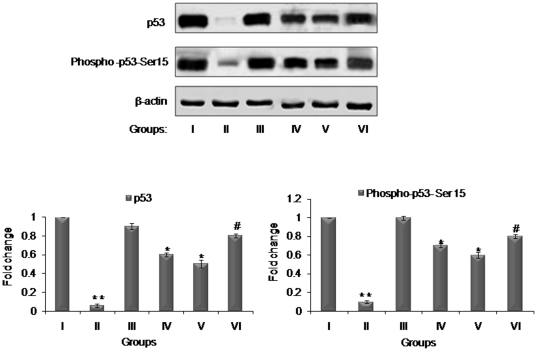
Cancer chemoprevention by natural dietary agents has received considerable importance because of their cost-effectiveness and wide safety margin. However, single agent intervention has failed to bring the expected outcome in clinical trials; therefore, combinations of chemopreventive agents are gaining increasing popularity. The present study aims to evaluate the combinatorial chemopreventive effects of resveratrol and black tea polyphenol (BTP) in suppressing two-stage mouse skin carcinogenesis induced by DMBA and TPA. Resveratrol/BTP alone treatment decreased tumor incidence by ∼67% and ∼75%, while combination of both at low doses synergistically decreased tumor incidence even more significantly by ∼89% (p<0.01). This combination also significantly regressed tumor volume and number (p<0.01). Mechanistic studies revealed that this combinatorial inhibition was associated with decreased expression of phosphorylated mitogen-activated protein kinase family proteins: extracellular signal-regulated kinase 1/2, c-Jun N-terminal kinase 1/2, p38 and increased in total p53 and phospho p53 (Ser 15) in skin tissue/tumor. Treatment with combinations of resveratrol and BTP also decreased expression of proliferating cell nuclear antigen in mouse skin tissues/tumors than their solitary treatments as determined by immunohistochemistry. In addition, histological and cell death analysis also confirmed that resveratrol and BTP treatment together inhibits cellular proliferation and markedly induces apoptosis. Taken together, our results for the first time lucidly illustrate that resveratrol and BTP in combination impart better suppressive activity than either of these agents alone and accentuate that development of novel combination therapies/chemoprevention using dietary agents will be more beneficial against cancer. This promising combination should be examined in therapeutic trials of skin and possibly other cancers.
天然膳食因子的癌症化学预防因其成本效益和广泛的安全边际而受到相当重视。然而,单一药物干预在临床试验中未能带来预期的结果;因此,化学预防剂的联合应用越来越受到关注。本研究旨在评估白藜芦醇和红茶多酚(BTP)联合应用对 DMBA 和 TPA 诱导的二阶段小鼠皮肤癌变的化学预防作用。白藜芦醇/BTP 单独处理可使肿瘤发生率分别降低约 67%和 75%,而两者低剂量联合使用则可更显著地协同降低肿瘤发生率约 89%(p<0.01)。这种组合还显著降低了肿瘤体积和数量(p<0.01)。机制研究表明,这种联合抑制与磷酸化丝裂原活化蛋白激酶家族蛋白(细胞外信号调节激酶 1/2、c-Jun N-末端激酶 1/2、p38 和总 p53 以及磷酸化 p53(Ser 15)的表达降低有关在皮肤组织/肿瘤中。与单独使用相比,用白藜芦醇和 BTP 的组合处理还降低了小鼠皮肤组织/肿瘤中增殖细胞核抗原的表达,如免疫组织化学所示。此外,组织学和细胞死亡分析也证实,白藜芦醇和 BTP 联合处理可抑制细胞增殖并显著诱导细胞凋亡。总之,我们的结果首次清楚地表明,白藜芦醇和 BTP 联合使用比单独使用这些药物具有更好的抑制活性,并强调使用膳食因子开发新型联合治疗/化学预防将更有利于癌症的防治。这种很有前途的组合应该在皮肤癌和其他癌症的治疗试验中进行检查。