Department of Biological Sciences, State University of New York at Buffalo, Buffalo, NY 14260-1300, United States.
Curr Opin Struct Biol. 2011 Oct;21(5):590-6. doi: 10.1016/j.sbi.2011.08.007. Epub 2011 Aug 31.
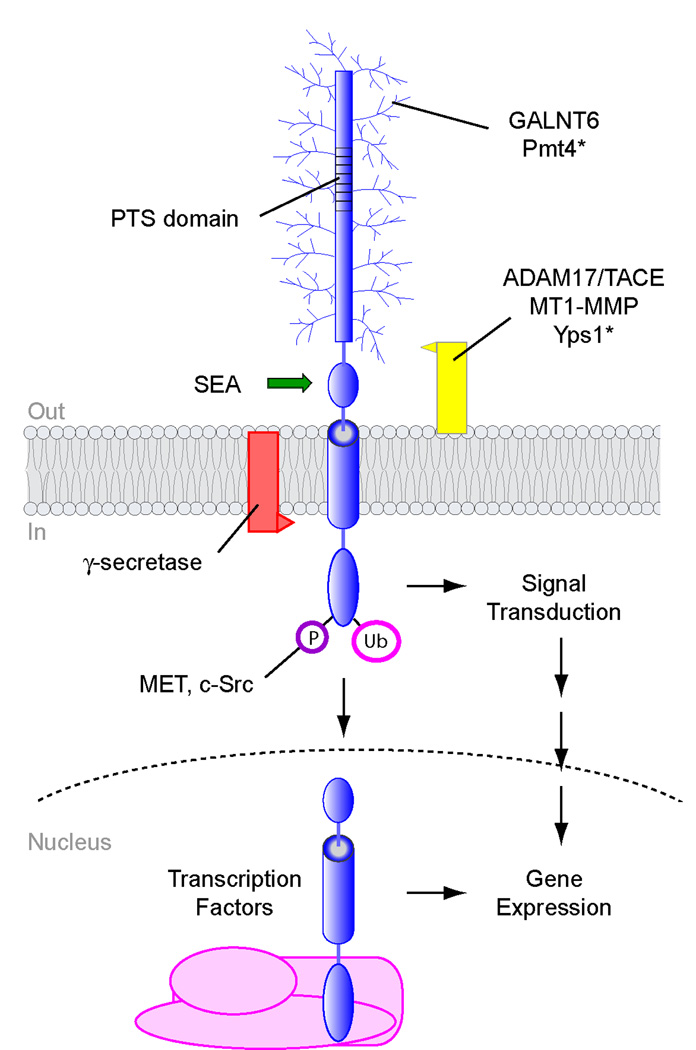
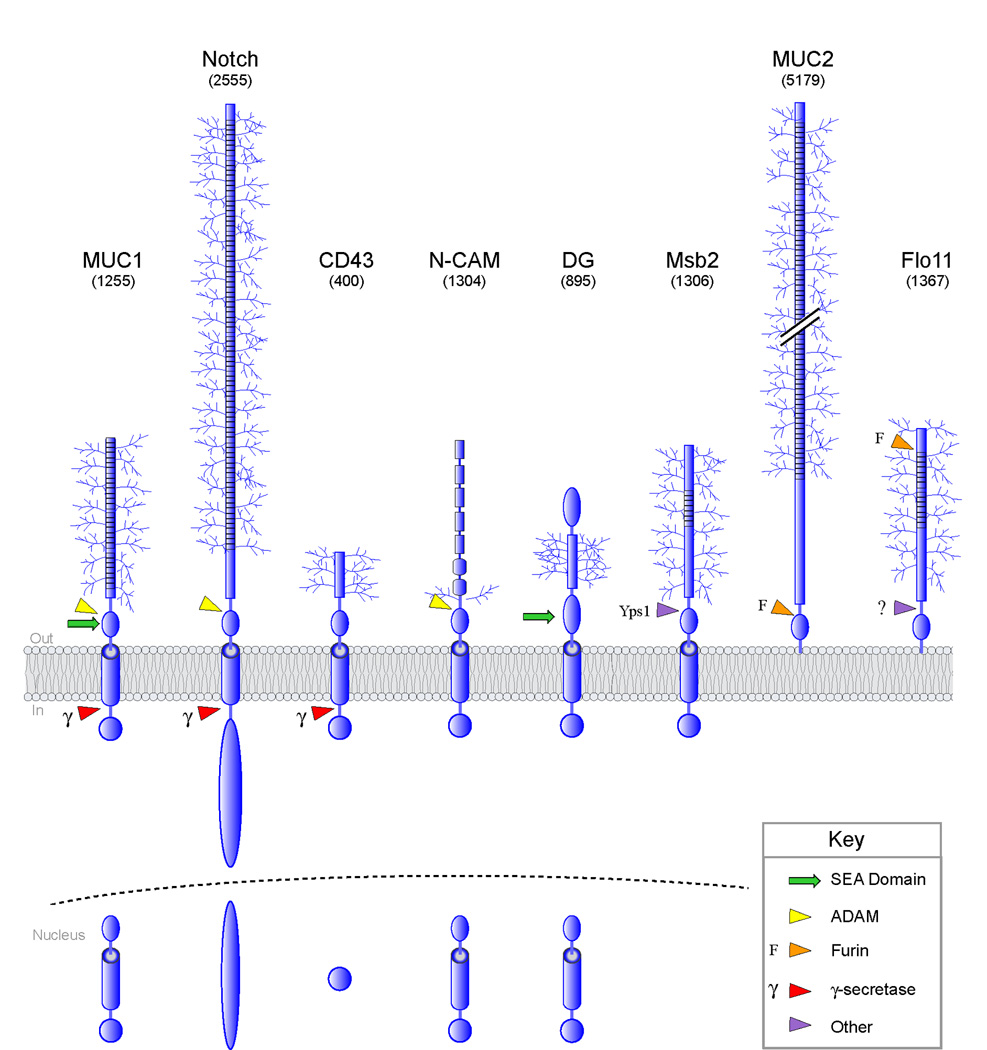
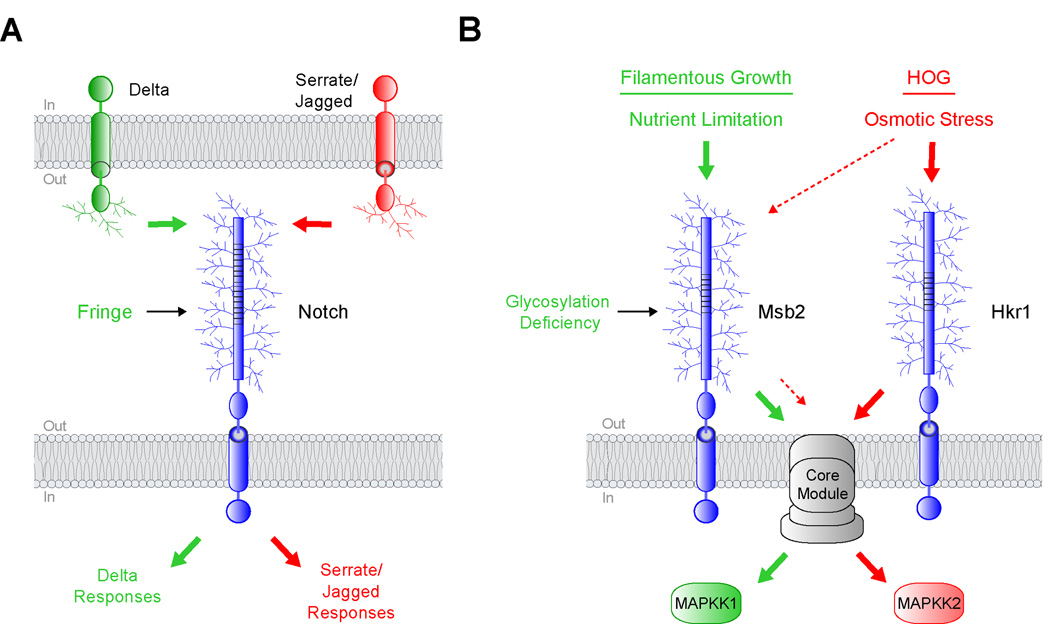
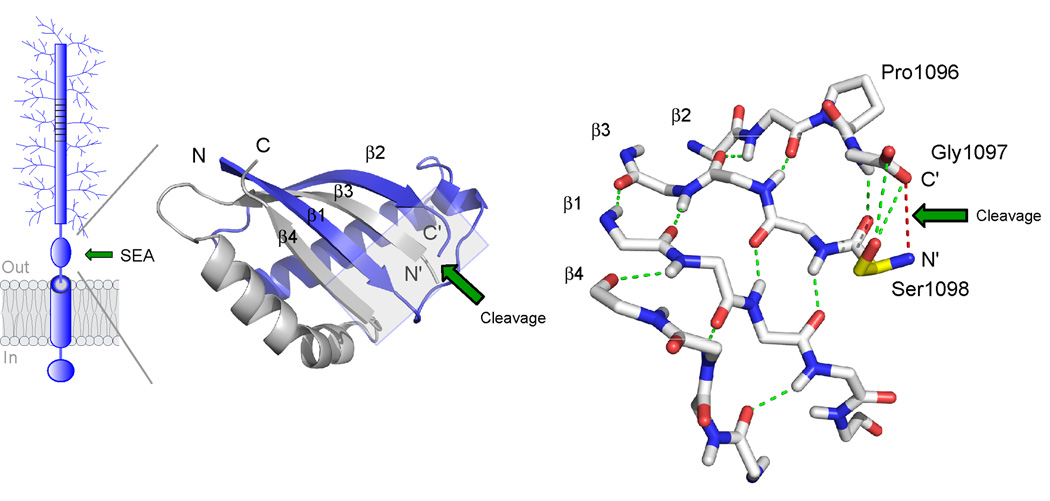
Signaling mucins are large transmembrane glycoproteins that regulate signal transduction pathways. Recent advances have shown that two major types of post-translational modifications, protein glycosylation and proteolytic processing, play important and unexpected roles in regulating signaling mucin function. New O-glycosyltransferases and proteases have been identified, and the structure of the domain that undergoes auto-proteolysis has been solved. A picture is beginning to emerge where specific glycosyl modifications and regulated processing control the signaling and adherence properties of signaling glycoproteins and contribute to the routing of signals to specific pathways.
信号黏蛋白是一类调节信号转导通路的大型跨膜糖蛋白。最近的研究进展表明,两种主要的翻译后修饰方式,即蛋白质糖基化和蛋白水解加工,在调节信号黏蛋白功能方面发挥着重要且出人意料的作用。新的 O-糖基转移酶和蛋白酶已被鉴定,且经历自动蛋白水解的结构域的结构也已被解析。一幅特定的糖基化修饰和调控加工控制信号糖蛋白的信号和黏附特性,并有助于信号向特定通路传导的画面正在浮现。