Department of Biomedical Engineering, Tufts University, Medford, Massachusetts 02155, United States.
Biomacromolecules. 2011 Nov 14;12(11):3844-50. doi: 10.1021/bm201165h. Epub 2011 Sep 30.
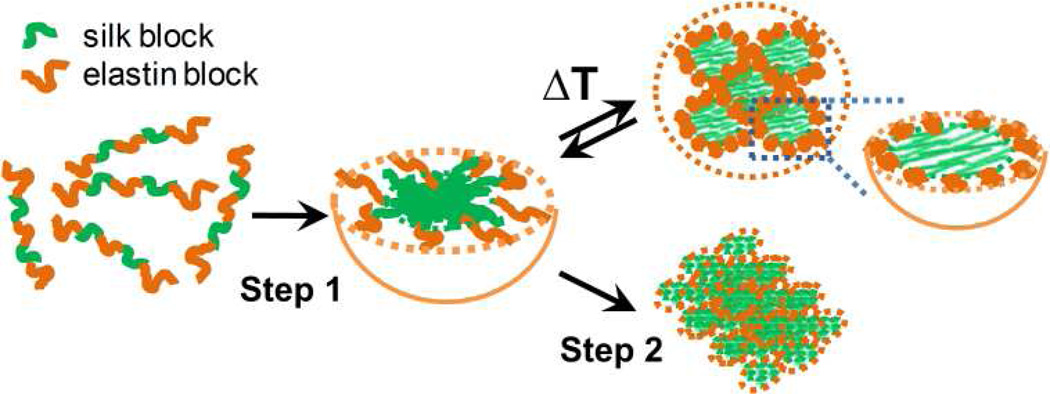
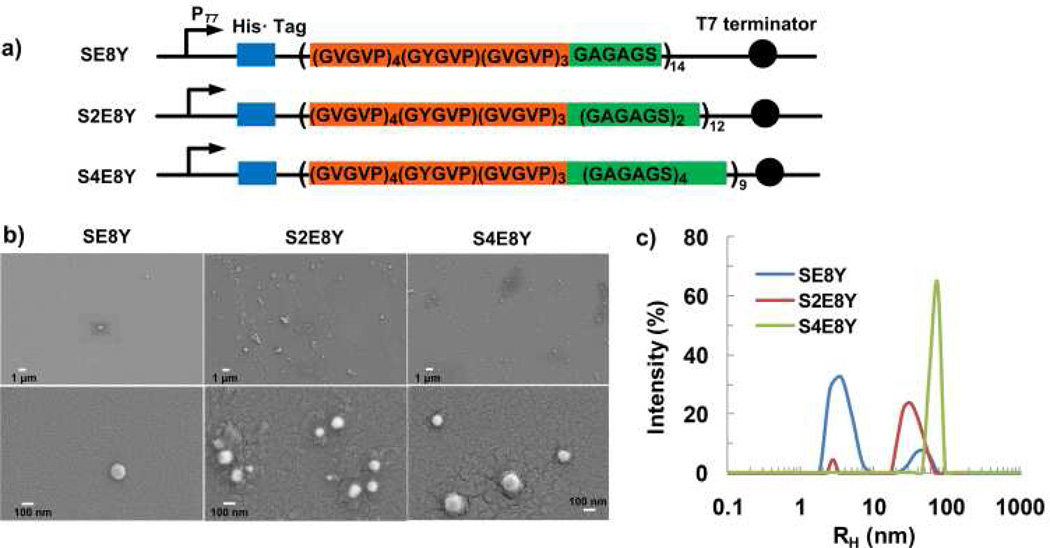
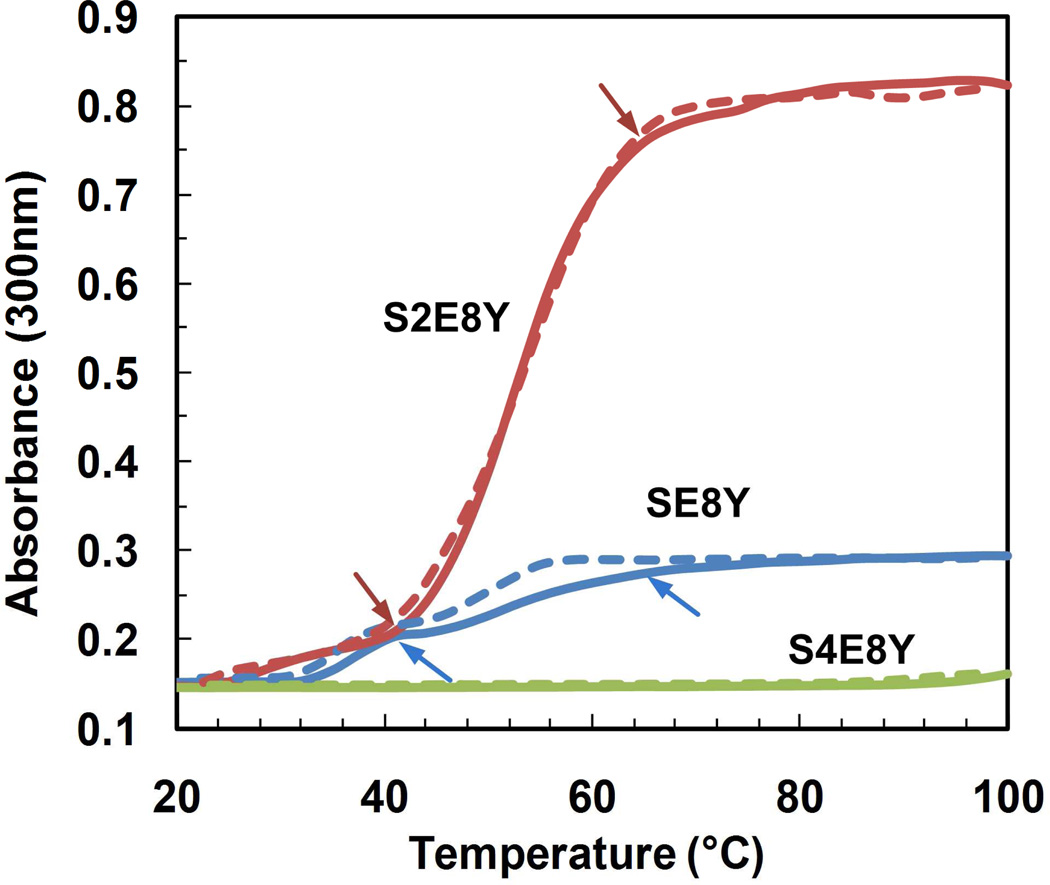
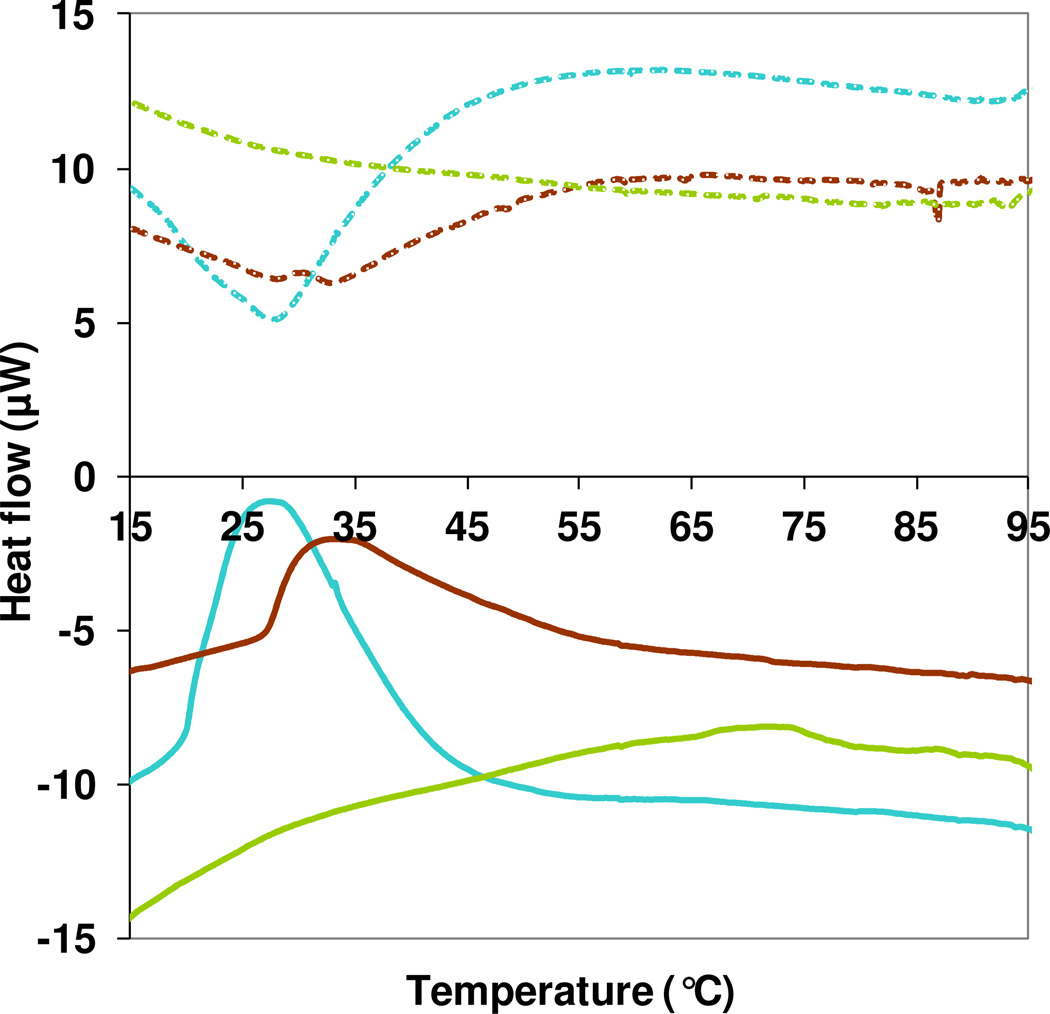
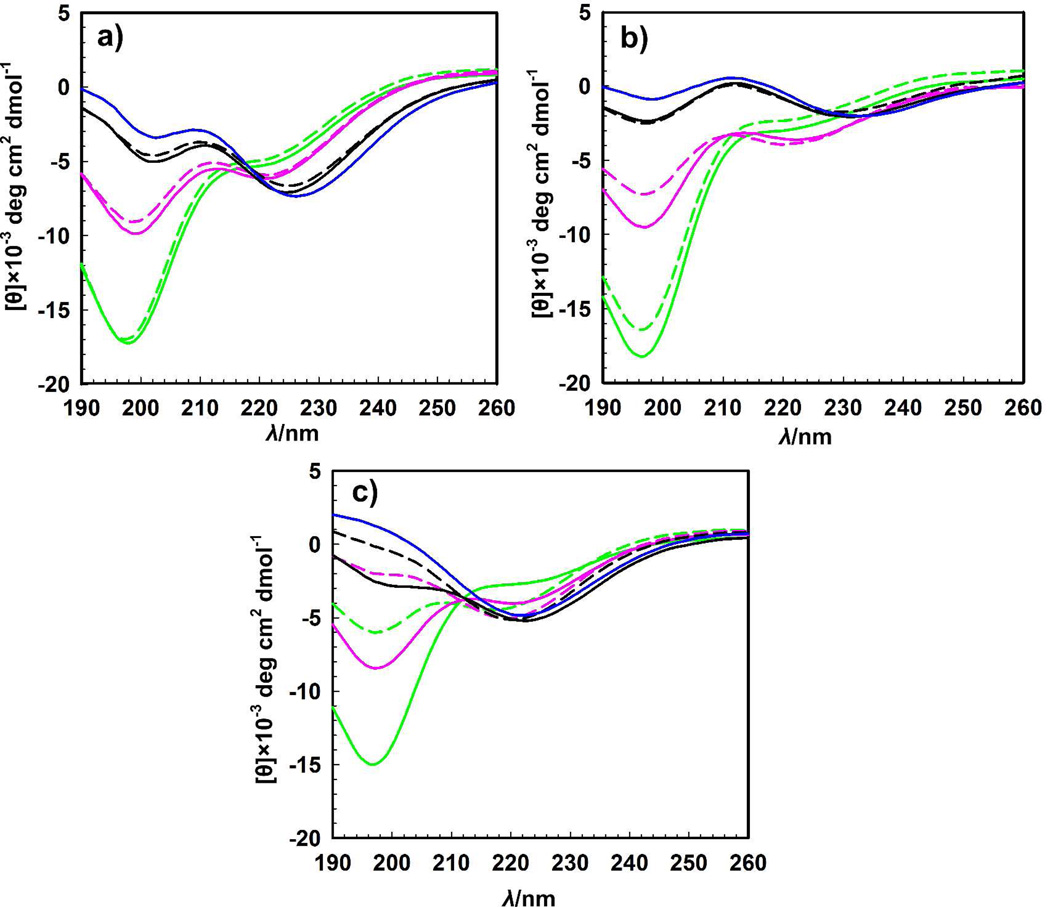
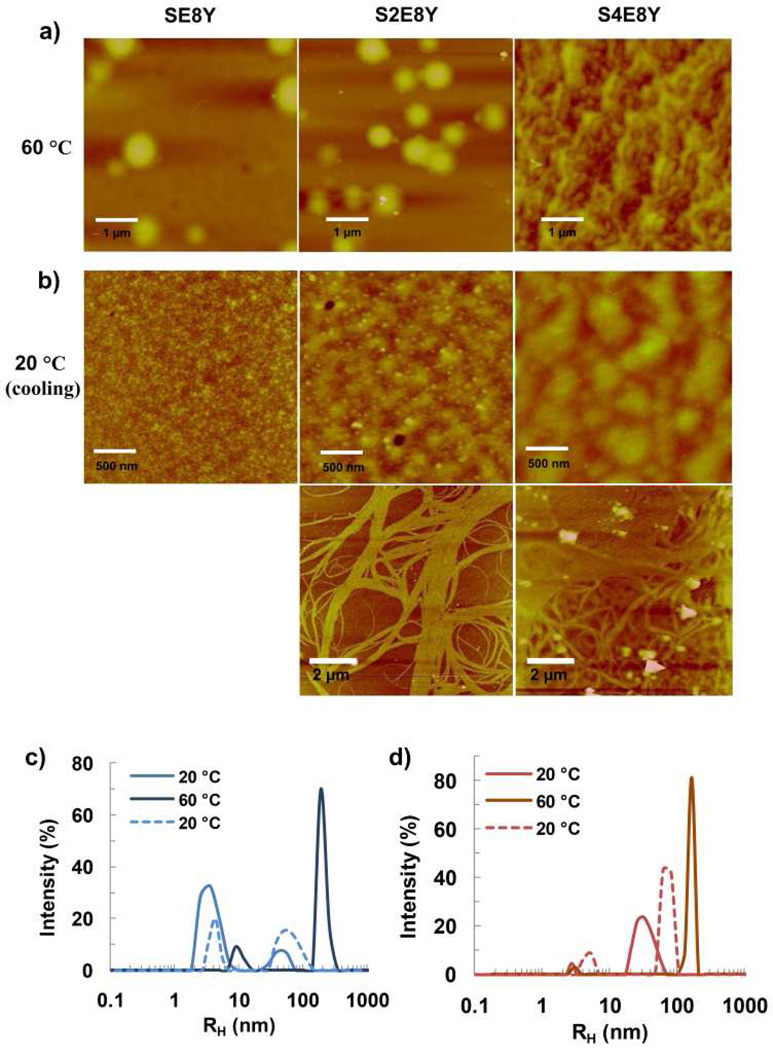
Silk--elastin-like protein polymers (SELPs), consisting of the repeating units of silk and elastin blocks, combine a set of outstanding physical and biological properties of silk and elastin. Because of the unique properties, SELPs have been widely fabricated into various materials for the applications in drug delivery and tissue engineering. However, little is known about the fundamental self-assembly characteristics of these remarkable polymers. Here we propose a two-step self-assembly process of SELPs in aqueous solution for the first time and report the importance of the ratio of silk-to-elastin blocks in a SELP's repeating unit on the assembly of the SELP. Through precise tuning of the ratio of silk to elastin, various structures including nanoparticles, hydrogels, and nanofibers could be generated either reversibly or irreversibly. This assembly process might provide opportunities to generate innovative smart materials for biosensors, tissue engineering, and drug delivery. Furthermore, the newly developed SELPs in this study may be potentially useful as biomaterials for controlled drug delivery and biomedical engineering.
丝-弹性蛋白样蛋白聚合物(SELPs)由丝和弹性蛋白嵌段的重复单元组成,结合了丝和弹性蛋白的一系列优异的物理和生物学特性。由于其独特的性能,SELPs 已被广泛制成各种材料,用于药物输送和组织工程。然而,人们对这些非凡聚合物的基本自组装特性知之甚少。在这里,我们首次提出了 SELPs 在水溶液中的两步自组装过程,并报告了 SELP 重复单元中丝-弹性蛋白嵌段比例对 SELP 组装的重要性。通过精确调整丝和弹性蛋白的比例,可以生成各种结构,包括纳米颗粒、水凝胶和纳米纤维,无论是可逆的还是不可逆的。这种组装过程可能为生物传感器、组织工程和药物输送等领域提供创新的智能材料的机会。此外,本研究中开发的新型 SELPs 可能作为用于控制药物释放和生物医学工程的生物材料具有潜在的用途。