Andrzej Frycz Modrzewski Cracow University, Cracow, Poland and Center for Cognition and Communication, New York, NY, USA.
Med Sci Monit. 2011 Oct;17(10):CS120-8. doi: 10.12659/msm.881970.
This article examines the effectiveness of differentiated rehabilitation programs for a patient with frontal syndrome after severe TBI and long-term coma. We hypothesized that there would be a small response to relative beta training, and a good response to rTMS, applied to regulate the dynamics of brain function.
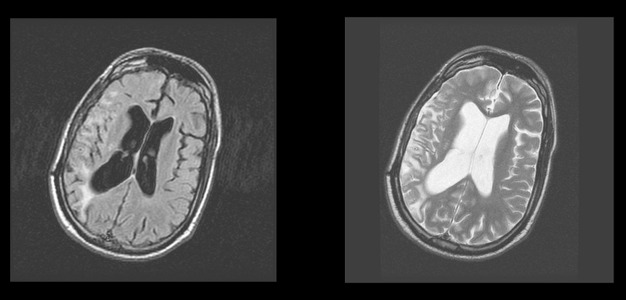
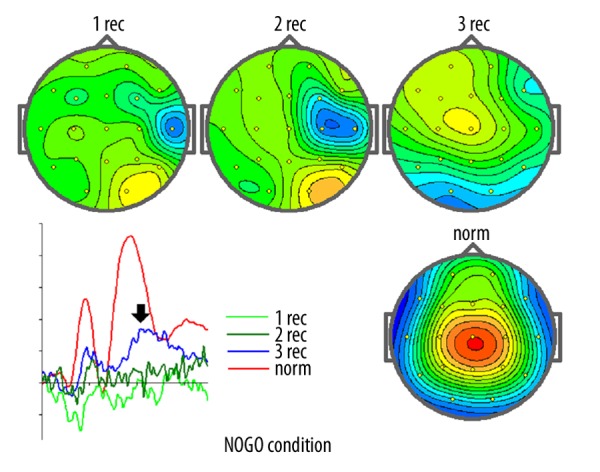
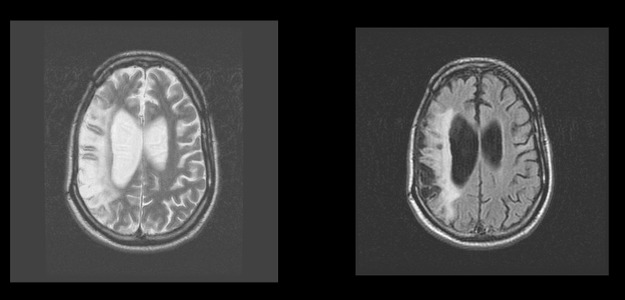
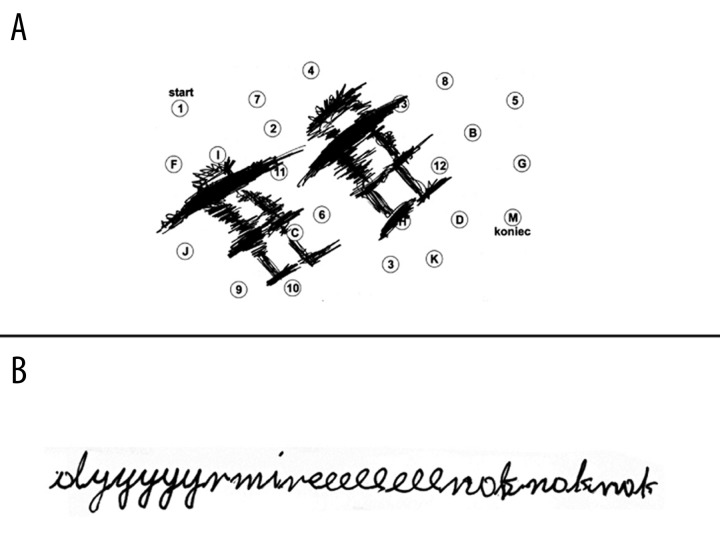
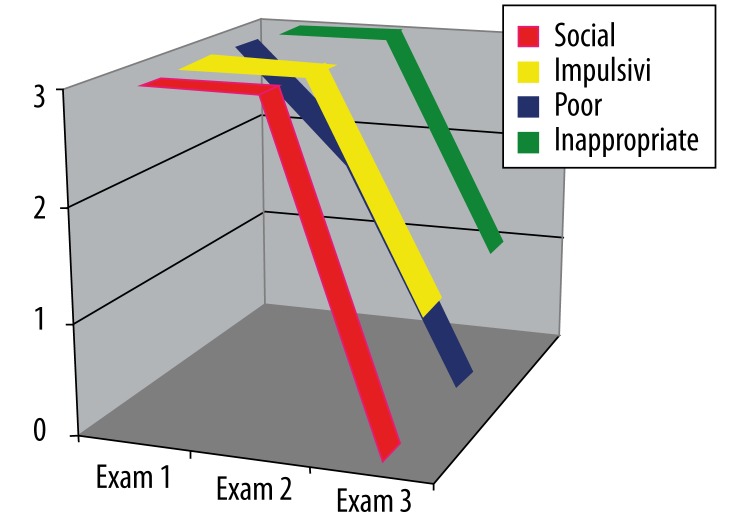
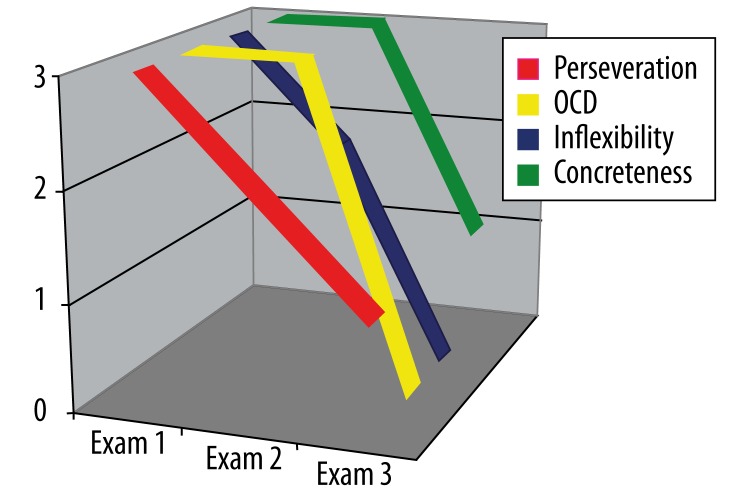
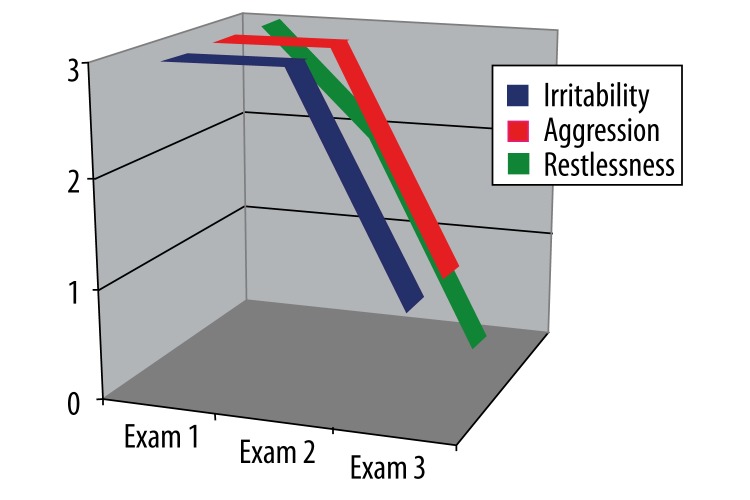
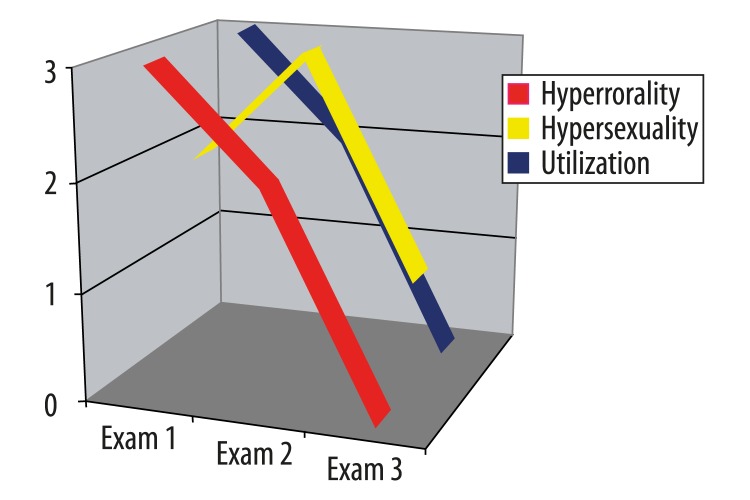
M. L-S, age 26, suffered from anosognosia, executive dysfunction, and behavioral changes, after a skiing accident and prolonged coma, rendering him unable to function independently in many situations of everyday life. Only slight progress was made after traditional rehabilitation. The patient took part in 20 sessions of relative beta training (program A) and later in 20 sessions of rTMS (program B); both programs were combined with behavioral training. We used standardized neuropsychological testing, as well as ERPs before the experiment, after the completion of program A, and again after the completion of program B. As hypothesized, patient M.L-S showed small improvements in executive dysfunction and behavioral disorders after the conclusion of program A, and major improvement after program B. Similarly, in physiological changes the patient showed small improvement after relative beta training and a significant improvement of the P300 NOGO component after the rTMS program.
The rTMS program produced larger physiological and behavioral changes than did relative beta training. A combination of different neurotherapeutical approaches (such as neurofeedback, rTMS, tDCS) can be suggested for similar severe cases of TBI. ERPs can be used to assess functional brain changes induced by neurotherapeutical programs.
本文探讨了针对严重颅脑外伤后长期昏迷的额综合征患者的差异化康复方案的有效性。我们假设相对β训练会有较小的反应,而 rTMS 会有较好的反应,用于调节大脑功能的动态。
M.L-S,26 岁,滑雪事故后长期昏迷,导致其出现认知障碍、执行功能障碍和行为改变,无法在日常生活中的许多情况下独立生活。传统康复后仅取得轻微进展。该患者参加了 20 次相对β训练(方案 A),后来又参加了 20 次 rTMS(方案 B);两个方案均结合行为训练。我们使用了标准化神经心理学测试,以及实验前、方案 A 完成后和方案 B 完成后的 ERPs。如假设的那样,患者 M.L-S 在方案 A 完成后表现出执行功能和行为障碍的微小改善,在方案 B 完成后表现出显著改善。同样,在生理变化方面,患者在相对β训练后表现出较小的改善,在 rTMS 方案后 P300 NOGO 成分有显著改善。
rTMS 方案产生的生理和行为变化比相对β训练大。对于类似的严重颅脑外伤病例,可以建议采用不同的神经治疗方法(如神经反馈、rTMS、tDCS)的组合。ERPs 可用于评估神经治疗方案引起的功能性脑变化。