Department of Neonatology, Rigshospitalet and University of Copenhagen, Blegdamsvej 9, Copenhagen 2100, Denmark.
Philos Trans A Math Phys Eng Sci. 2011 Nov 28;369(1955):4440-51. doi: 10.1098/rsta.2011.0261.
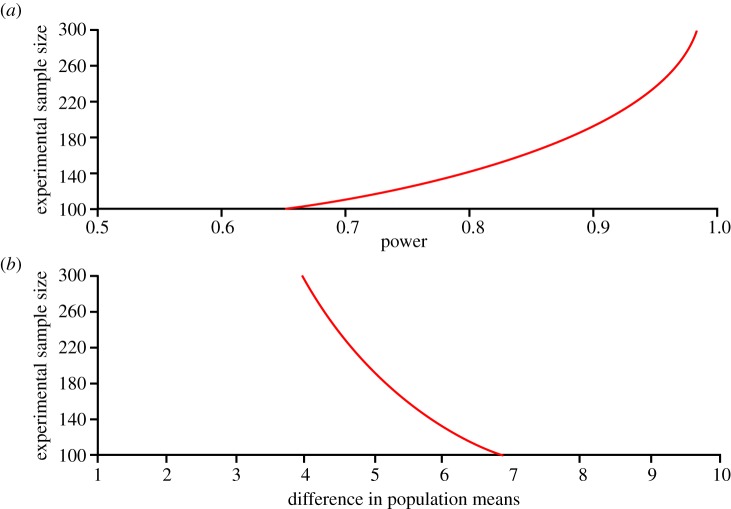
Several instruments implementing spatially resolved near-infrared spectroscopy (NIRS) to monitor tissue oxygenation are now approved for clinical use. The neonatal brain is readily assessible by NIRS and neurodevelopmental impairment is common in children who were in need of intensive care during the neonatal period. It is likely that an important part of the burden of this handicap is due to brain injury induced by hypoxia-ischaemia during intensive care. In particular, this is true for infants born extremely preterm. Thus, monitoring of cerebral oxygenation has considerable potential benefit in this group. The benefit, however, should be weighed against the disturbance to the infant, against the limitations imposed on clinical care and against costs. The ultimate way of demonstrating the 'added value' is by a randomized controlled trial. Cerebral oximetry must reduce the risk of a clinically relevant endpoint, such as death or neurodevelopmental handicap. We estimate that such a trial should recruit about 4000 infants to have the power to detect a reduction in brain injury by one-fifth. This illustrates the formidable task of providing first-grade evidence for the clinical value of diagnostic methods. Is it a window of opportunity for the establishment of a rational basis before another technology is added to an already overly complex newborn intensive care?
目前已有几种利用空间分辨近红外光谱(NIRS)监测组织氧合的仪器获得临床批准。新生儿的大脑很容易通过 NIRS 进行评估,而在新生儿期需要重症监护的儿童中,神经发育障碍很常见。在重症监护期间,缺氧缺血引起的脑损伤可能是导致这种残疾的重要原因之一。对于极早产儿来说尤其如此。因此,在这组患者中,监测脑氧合具有相当大的潜在益处。然而,这种益处应该与对婴儿的干扰、对临床护理的限制以及成本进行权衡。证明“附加值”的最终方法是通过随机对照试验。脑氧饱和度必须降低临床相关终点的风险,如死亡或神经发育障碍。我们估计,这样的试验应该招募大约 4000 名婴儿,才有能力检测到脑损伤减少五分之一。这说明了为诊断方法的临床价值提供一级证据的艰巨任务。在已经过于复杂的新生儿重症监护中添加另一种技术之前,这是否是建立合理基础的机会窗口?