Forbes-Hernández Tamara Y, Gasparrini Massimiliano, Afrin Sadia, Cianciosi Danila, González-Paramás Ana M, Santos-Buelga Celestino, Mezzetti Bruno, Quiles José L, Battino Maurizio, Giampieri Francesca, Bompadre Stefano
Dipartimento di Scienze Cliniche Specialistiche ed Odontostomatologiche (DISCO)-Sez. Biochimica, Facoltà di Medicina, Università Politecnica delle Marche, 60131 Ancona, Italy.
Área de Nutrición y Salud, Universidad Internacional Iberoamericana (UNINI), Campeche C.P. 24040, Mexico.
Int J Mol Sci. 2017 May 28;18(6):1149. doi: 10.3390/ijms18061149.
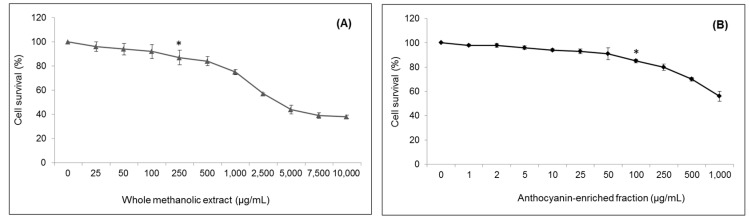
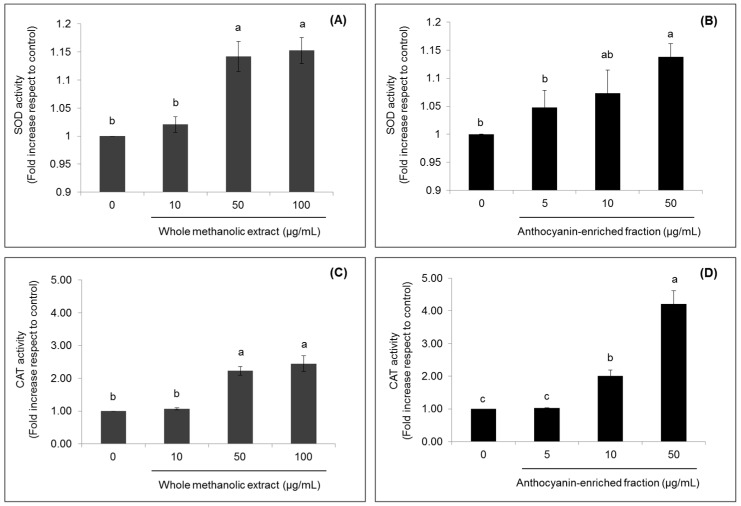
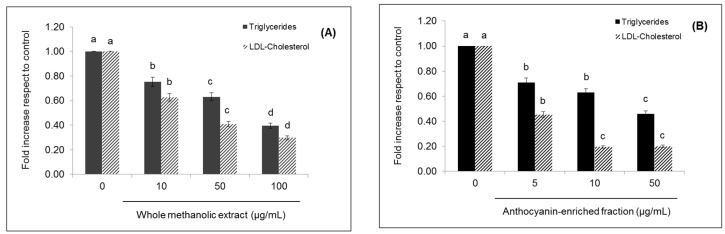
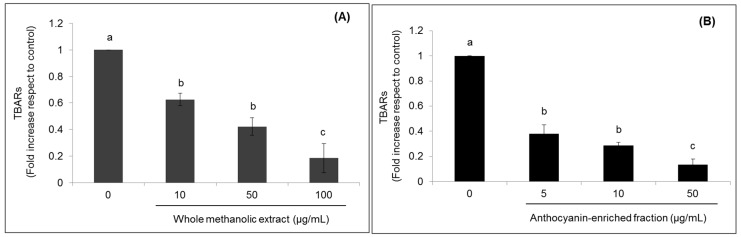
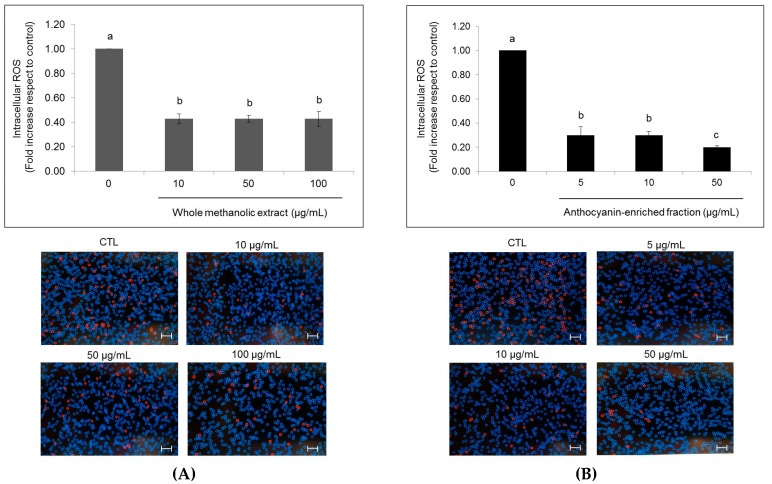
Dyslipidemia and oxidation of low density lipoproteins (LDL) are recognized as critical factors in the development of atherosclerosis. Healthy dietary patterns, with abundant fruit and vegetable consumption, may prevent the onset of these risk factors due to the presence of phytochemical compounds. Strawberries are known for their high content of polyphenols; among them, flavonoids are the major constituents, and it is presumed that they are responsible for the biological activity of the fruit. Nevertheless, there are only a few studies that actually evaluate the effects of different fractions isolated from strawberries. In order to assess the effects of two different strawberry extracts (whole methanolic extract/anthocyanin-enriched fraction) on the lipid profile and antioxidant status in human hepatocellular carcinoma (HepG2) cells, the triglycerides and LDL-cholesterol content, lipid peroxidation, intracellular reactive oxygen species (ROS) content and antioxidant enzymes' activity on cell lysates were determined. Results demonstrated that both strawberry extracts not only improved the lipid metabolism by decreasing triglycerides and LDL-cholesterol contents, but also improved the redox state of HepG2 cells by modulating thiobarbituric acid-reactive substances production, antioxidant enzyme activity and ROS generation. The observed effects were more pronounced for the anthocyanin-enriched fraction.
血脂异常和低密度脂蛋白(LDL)氧化被认为是动脉粥样硬化发展的关键因素。富含水果和蔬菜的健康饮食模式,由于含有植物化学化合物,可能预防这些危险因素的出现。草莓以其高含量的多酚而闻名;其中,黄酮类化合物是主要成分,据推测它们是该水果生物活性的原因。然而,实际评估从草莓中分离出的不同组分效果的研究很少。为了评估两种不同的草莓提取物(全甲醇提取物/富含花青素的组分)对人肝癌(HepG2)细胞脂质谱和抗氧化状态的影响,测定了细胞裂解物中的甘油三酯和低密度脂蛋白胆固醇含量、脂质过氧化、细胞内活性氧(ROS)含量和抗氧化酶活性。结果表明,两种草莓提取物不仅通过降低甘油三酯和低密度脂蛋白胆固醇含量改善了脂质代谢,还通过调节硫代巴比妥酸反应性物质的产生、抗氧化酶活性和ROS生成改善了HepG2细胞的氧化还原状态。对于富含花青素的组分,观察到的效果更明显。