Amini Ami R, Wallace James S, Nukavarapu Syam P
Department of Orthopaedic Surgery, University of Connecticut Health Center, Farmington, CT, USA.
J Long Term Eff Med Implants. 2011;21(2):93-122. doi: 10.1615/jlongtermeffmedimplants.v21.i2.10.
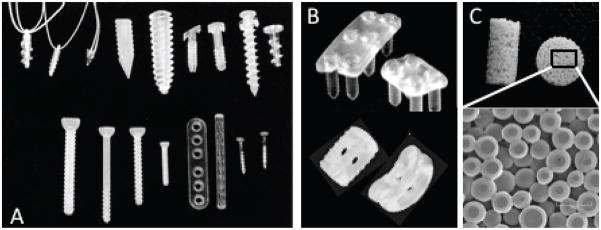
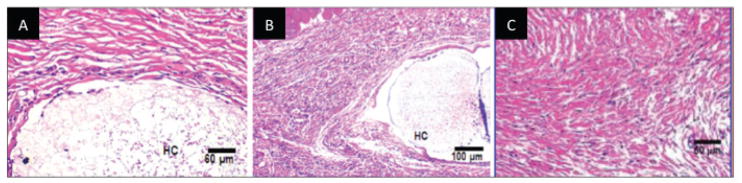
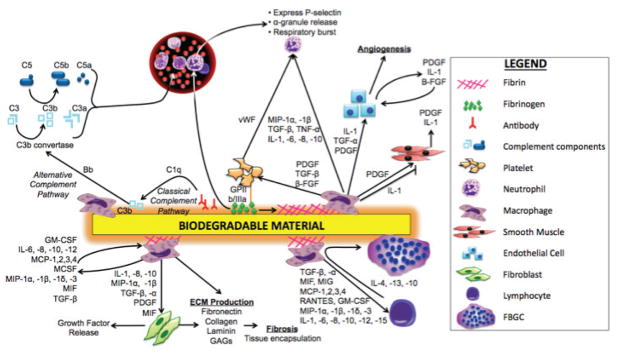
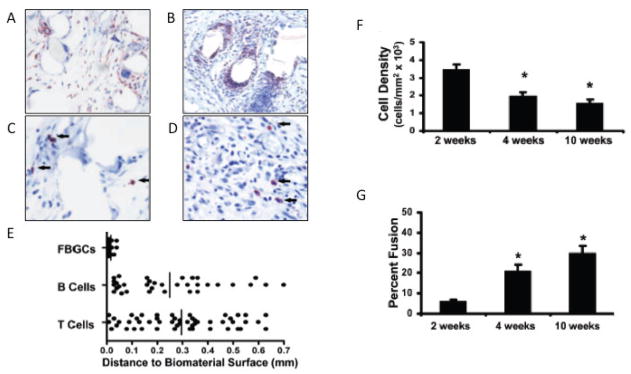
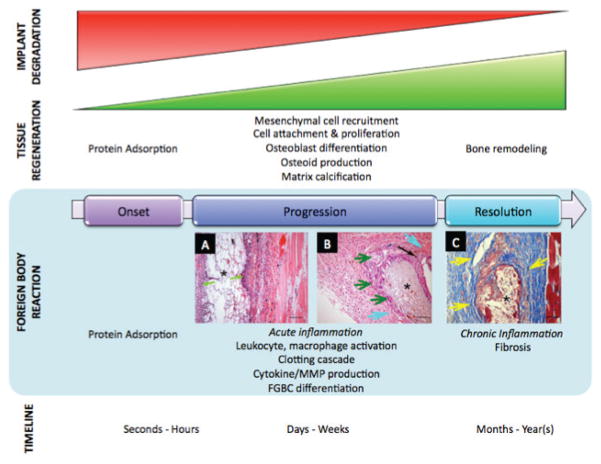
Presently, orthopedic and oral/maxillofacial implants represent a combined $2.8 billion market, a figure expected to experience significant and continued growth. Although traditional permanent implants have been proved clinically efficacious, they are also associated with several drawbacks, including secondary revision and removal surgeries. Non-permanent, biodegradable implants offer a promising alternative for patients, as they provide temporary support and degrade at a rate matching tissue formation, and thus, eliminate the need for secondary surgeries. These implants have been in clinical use for nearly 25 years, competing directly with, or maybe even exceeding, the performance of permanent implants. The initial implantation of biodegradable materials, as with permanent materials, mounts an acute host inflammatory response. Over time, the implant degradation profile and possible degradation product toxicity mediate long-term biodegradable implant-induced inflammation. However, unlike permanent implants, this inflammation is likely to cease once the material disappears. Implant-mediated inflammation is a critical determinant for implant success. Thus, for the development of a proactive biodegradable implant that has the ability to promote optimal bone regeneration and minimal detrimental inflammation, a thorough understanding of short- and long-term inflammatory events is required. Here, we discuss an array of biodegradable orthopedic implants, their associated short- and long- term inflammatory effects, and methods to mediate these inflammatory events.
目前,骨科和口腔/颌面植入物市场规模总计达28亿美元,预计这一数字将持续大幅增长。尽管传统的永久性植入物已被证明在临床上有效,但它们也存在一些缺点,包括二次翻修和取出手术。非永久性的可生物降解植入物为患者提供了一种有前景的替代方案,因为它们提供临时支撑,并以与组织形成相匹配的速度降解,从而无需二次手术。这些植入物已临床应用近25年,其性能可直接与永久性植入物竞争,甚至可能超过永久性植入物。与永久性材料一样,可生物降解材料的初次植入会引发急性宿主炎症反应。随着时间的推移,植入物的降解情况以及可能的降解产物毒性会介导长期的可生物降解植入物引发的炎症。然而,与永久性植入物不同的是,一旦材料消失,这种炎症可能就会停止。植入物介导的炎症是植入物成功的关键决定因素。因此,为了开发一种能够促进最佳骨再生且有害炎症最小化的主动式可生物降解植入物,需要深入了解短期和长期的炎症事件。在此,我们讨论一系列可生物降解的骨科植入物、它们相关的短期和长期炎症效应,以及调节这些炎症事件的方法。