Fudan University Shanghai Cancer Center - Institut Mérieux Laboratory, Fudan University Shanghai Cancer Center, Shanghai, People's Republic of China.
PLoS One. 2011;6(10):e26905. doi: 10.1371/journal.pone.0026905. Epub 2011 Oct 27.
Human peripheral blood is a promising material for biomedical research. However, various kinds of biological and technological factors result in a large degree of variation in blood gene expression profiles.
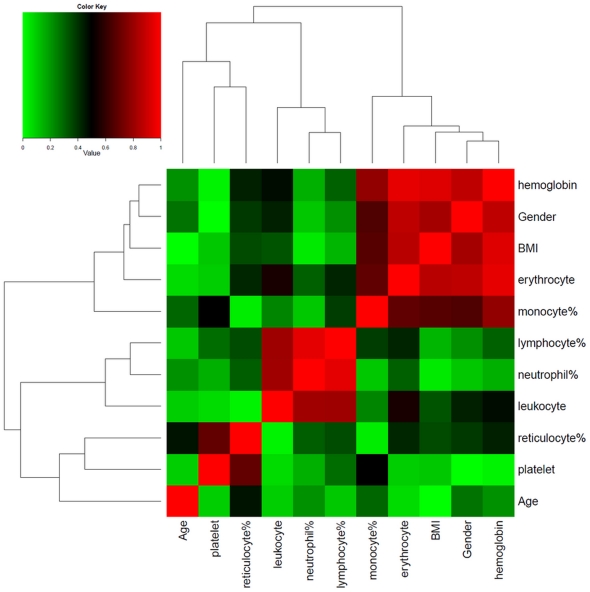
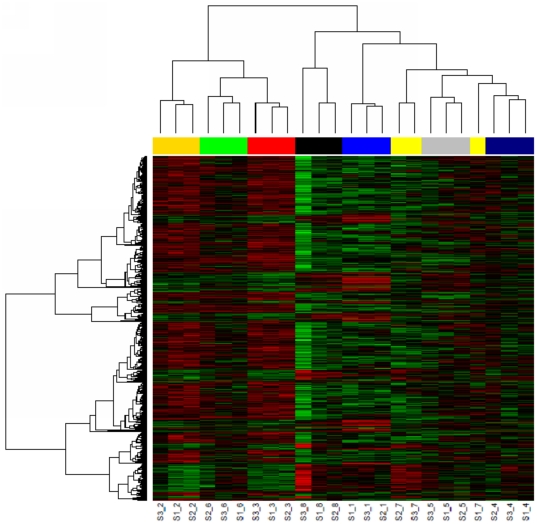
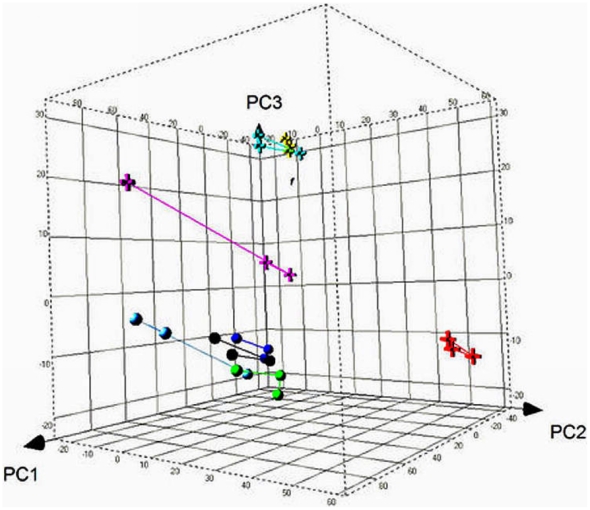
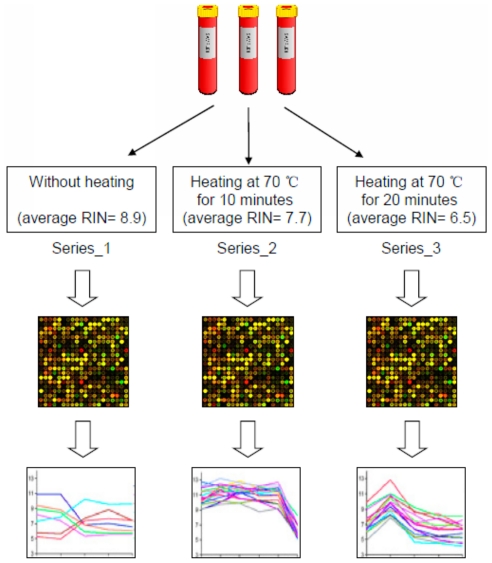
METHODOLOGY/PRINCIPAL FINDINGS: Human peripheral blood samples were drawn from healthy volunteers and analysed using the Human Genome U133Plus2 Microarray. We applied a novel approach using the Principle Component Analysis and Eigen-R(2) methods to dissect the overall variation of blood gene expression profiles with respect to the interested biological and technological factors. The results indicated that the predominating sources of the variation could be traced to the individual heterogeneity of the relative proportions of different blood cell types (leukocyte subsets and erythrocytes). The physiological factors like age, gender and BMI were demonstrated to be associated with 5.3% to 9.2% of the total variation in the blood gene expression profiles. We investigated the gene expression profiles of samples from the same donors but with different levels of RNA quality. Although the proportion of variation associated to the RNA Integrity Number was mild (2.1%), the significant impact of RNA quality on the expression of individual genes was observed.
By characterizing the major sources of variation in blood gene expression profiles, such variability can be minimized by modifications to study designs. Increasing sample size, balancing confounding factors between study groups, using rigorous selection criteria for sample quality, and well controlled experimental processes will significantly improve the accuracy and reproducibility of blood transcriptome study.
人体外周血是生物医学研究很有前途的材料。然而,各种生物和技术因素导致血液基因表达谱存在很大程度的变化。
方法/主要发现:从健康志愿者中抽取外周血样本,并使用人类基因组 U133Plus2 微阵列进行分析。我们应用一种新的方法,使用主成分分析和 Eigen-R(2)方法,来剖析血液基因表达谱中与感兴趣的生物和技术因素有关的总体变化。结果表明,变化的主要来源可以追溯到不同血液细胞类型(白细胞亚群和红细胞)相对比例的个体异质性。生理因素如年龄、性别和 BMI 被证明与血液基因表达谱总变异的 5.3%至 9.2%有关。我们研究了来自相同供体但 RNA 质量不同的样本的基因表达谱。虽然与 RNA 完整性数相关的变异比例较小(2.1%),但观察到 RNA 质量对个别基因表达的显著影响。
通过描述血液基因表达谱中主要的变异来源,可以通过对研究设计的修改来最小化这种可变性。增加样本量、在研究组之间平衡混杂因素、使用严格的样本质量选择标准以及良好控制的实验过程,将显著提高血液转录组研究的准确性和可重复性。