Instituto de Hortofruticultura Subtropical y Mediterránea "La Mayora" (IHSM-UMA-CSIC), Estación Experimental La Mayora, Algarrobo-Costa, Málaga 29750, Spain.
Toxins (Basel). 2011 Sep;3(9):1089-110. doi: 10.3390/toxins3091089. Epub 2011 Aug 31.
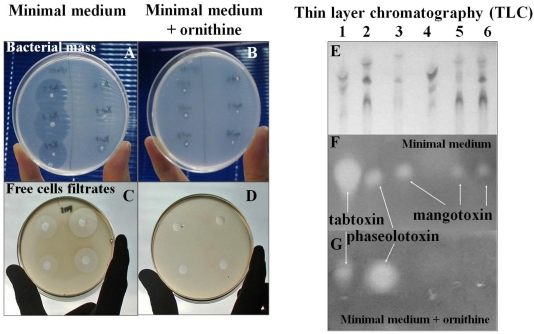
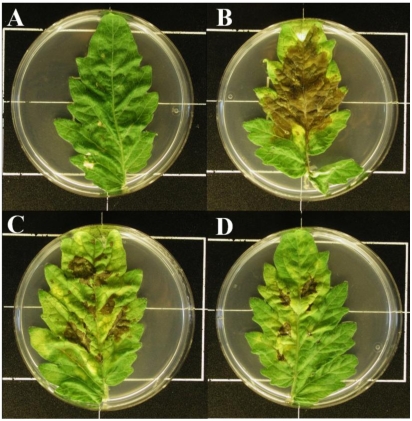
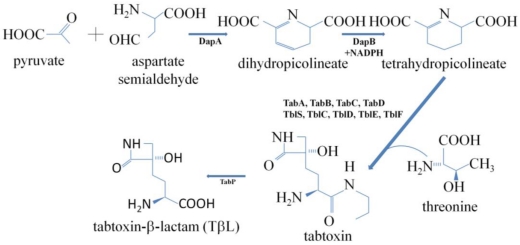
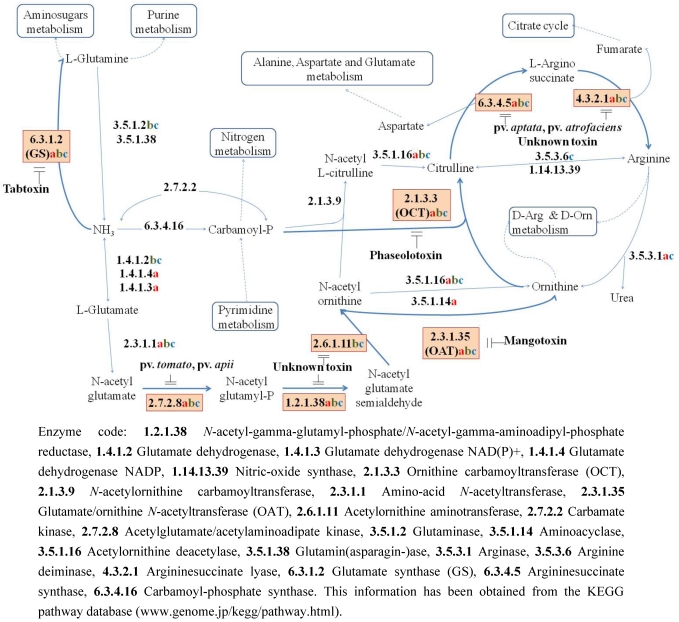
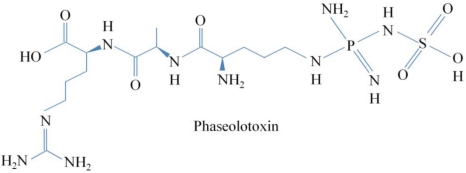
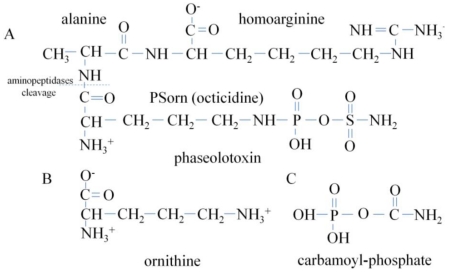
Pseudomonas syringae is a phytopathogenic bacterium present in a wide variety of host plants where it causes diseases with economic impact. The symptoms produced by Pseudomonas syringae include chlorosis and necrosis of plant tissues, which are caused, in part, by antimetabolite toxins. This category of toxins, which includes tabtoxin, phaseolotoxin and mangotoxin, is produced by different pathovars of Pseudomonas syringae. These toxins are small peptidic molecules that target enzymes of amino acids' biosynthetic pathways, inhibiting their activity and interfering in the general nitrogen metabolism. A general overview of the toxins' chemistry, biosynthesis, activity, virulence and potential applications will be reviewed in this work.
丁香假单胞菌是一种存在于多种宿主植物中的植物病原细菌,它会导致具有经济影响的疾病。丁香假单胞菌引起的症状包括植物组织的黄化和坏死,这部分是由抗代谢物毒素引起的。这类毒素包括菸碱酮、菜豆酮和芒果酮,由不同的丁香假单胞菌致病型产生。这些毒素是针对氨基酸生物合成途径中酶的小肽分子,抑制其活性并干扰一般氮代谢。本文将综述这些毒素的化学、生物合成、活性、毒性和潜在应用的一般概述。