Department of Animal Science, Oklahoma State University, Stillwater, Oklahoma, United States of America.
PLoS One. 2011;6(11):e27225. doi: 10.1371/journal.pone.0027225. Epub 2011 Nov 4.
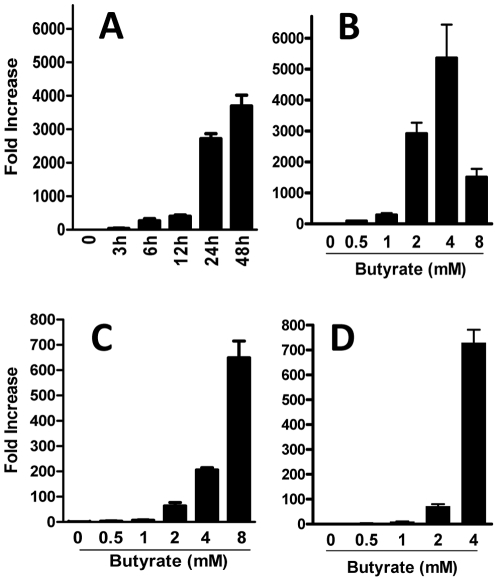
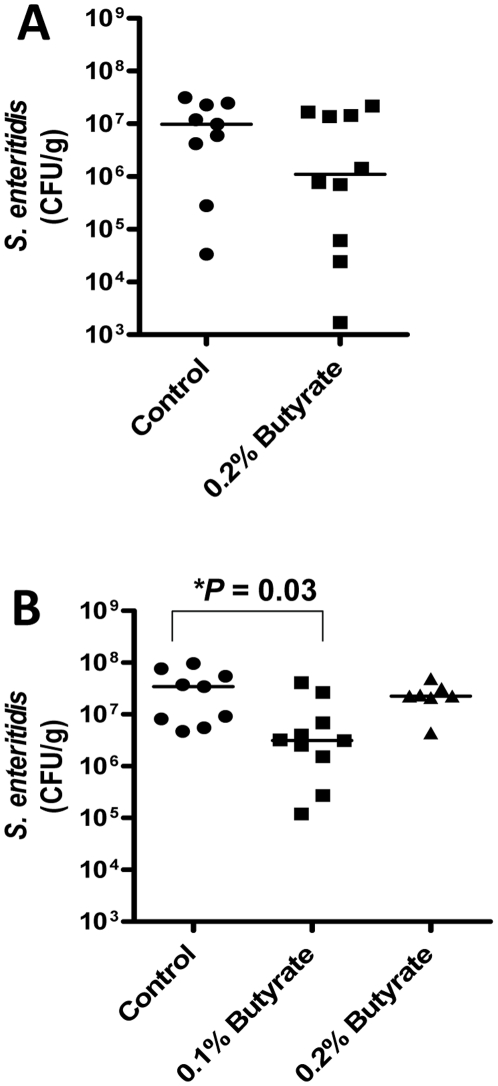
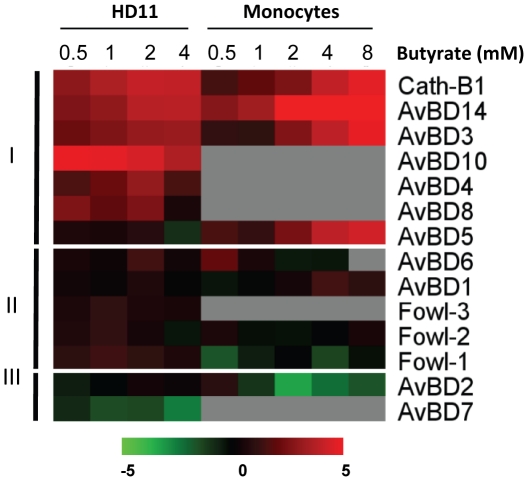
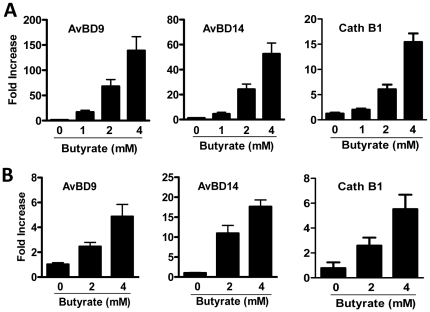
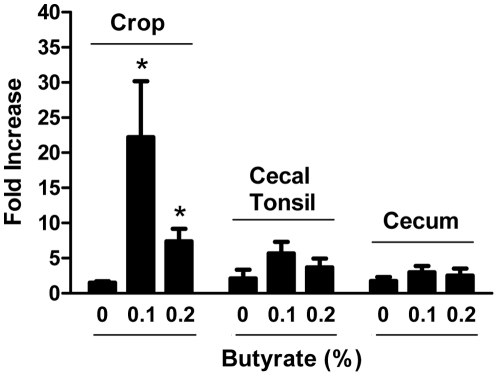
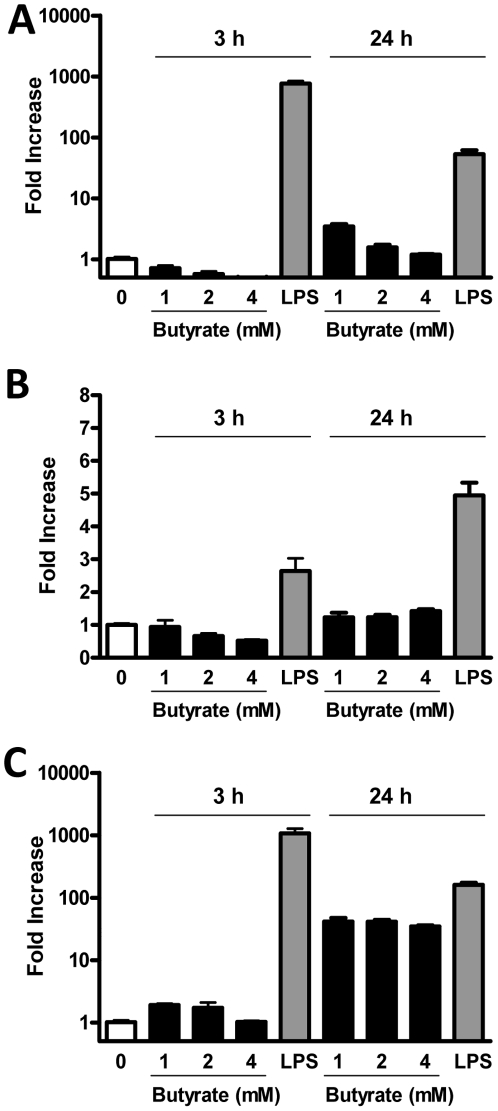
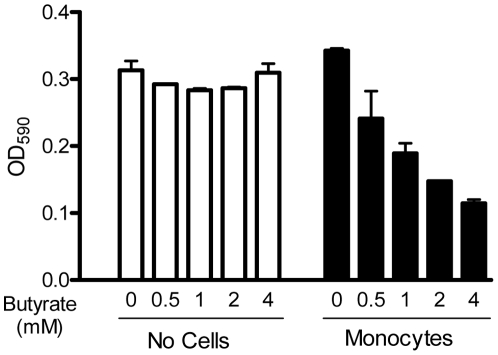
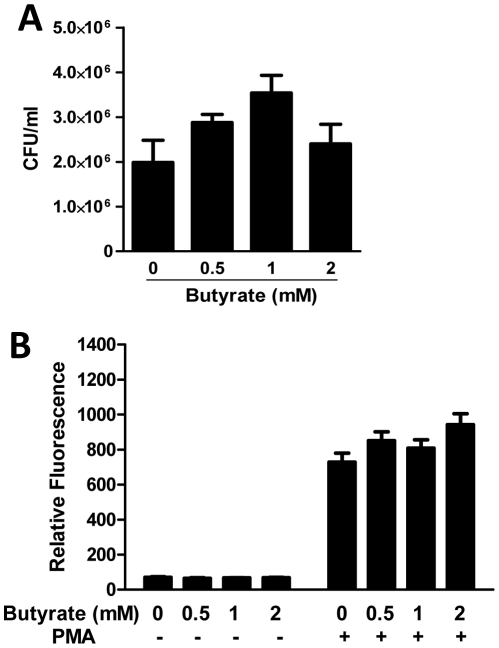
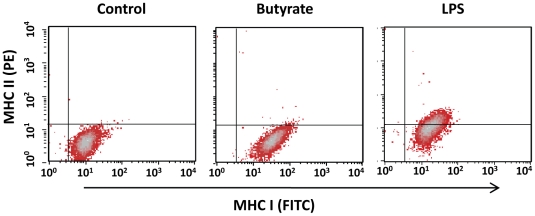
Host defense peptides (HDPs) constitute a large group of natural broad-spectrum antimicrobials and an important first line of immunity in virtually all forms of life. Specific augmentation of synthesis of endogenous HDPs may represent a promising antibiotic-alternative approach to disease control. In this study, we tested the hypothesis that exogenous administration of butyrate, a major type of short-chain fatty acids derived from bacterial fermentation of undigested dietary fiber, is capable of inducing HDPs and enhancing disease resistance in chickens. We have found that butyrate is a potent inducer of several, but not all, chicken HDPs in HD11 macrophages as well as in primary monocytes, bone marrow cells, and jejuna and cecal explants. In addition, butyrate treatment enhanced the antibacterial activity of chicken monocytes against Salmonella enteritidis, with a minimum impact on inflammatory cytokine production, phagocytosis, and oxidative burst capacities of the cells. Furthermore, feed supplementation with 0.1% butyrate led to a significant increase in HDP gene expression in the intestinal tract of chickens. More importantly, such a feeding strategy resulted in a nearly 10-fold reduction in the bacterial titer in the cecum following experimental infections with S. enteritidis. Collectively, the results indicated that butyrate-induced synthesis of endogenous HDPs is a phylogenetically conserved mechanism of innate host defense shared by mammals and aves, and that dietary supplementation of butyrate has potential for further development as a convenient antibiotic-alternative strategy to enhance host innate immunity and disease resistance.
宿主防御肽 (HDPs) 构成了一大类天然广谱抗菌肽,是几乎所有生命形式中固有免疫的第一道防线。内源性 HDPs 的合成特异性增强可能代表一种有前途的抗生素替代方法来控制疾病。在这项研究中,我们检验了这样一个假设,即丁酸的外源性给药,一种源自未消化膳食纤维细菌发酵的短链脂肪酸的主要类型,能够诱导 HDPs 并增强鸡的疾病抵抗力。我们发现丁酸能够强烈诱导 HD11 巨噬细胞以及原代单核细胞、骨髓细胞、空肠和盲肠外植体中的几种(但不是全部)鸡 HDPs。此外,丁酸处理增强了鸡单核细胞对肠炎沙门氏菌的抗菌活性,对细胞产生炎症细胞因子、吞噬作用和氧化爆发能力的影响最小。此外,在饲料中添加 0.1%的丁酸可导致鸡肠道中 HDP 基因表达显著增加。更重要的是,这种饲养策略可使实验感染肠炎沙门氏菌后盲肠中的细菌滴度降低近 10 倍。总的来说,这些结果表明,丁酸诱导的内源性 HDPs 合成是哺乳动物和禽类共有的固有宿主防御的进化保守机制,而丁酸的膳食补充具有作为增强宿主固有免疫力和抗病性的方便抗生素替代策略进一步发展的潜力。