Department of Psychiatry, Sydney Medical School-Westmead, Westmead Hospital, PO Box 533, Wentworthville, NSW 2145, Australia.
BMC Med Educ. 2011 Nov 23;11:96. doi: 10.1186/1472-6920-11-96.
Clinical activities that trainees can be trusted to perform with minimal or no supervision have been labelled as Entrustable Professional Activities (EPAs). We sought to examine what activities could be entrusted to psychiatry trainees in their first year of specialist training.
We conducted an online survey of Fellows of the Royal Australian and New Zealand College of Psychiatrists (RANZCP).
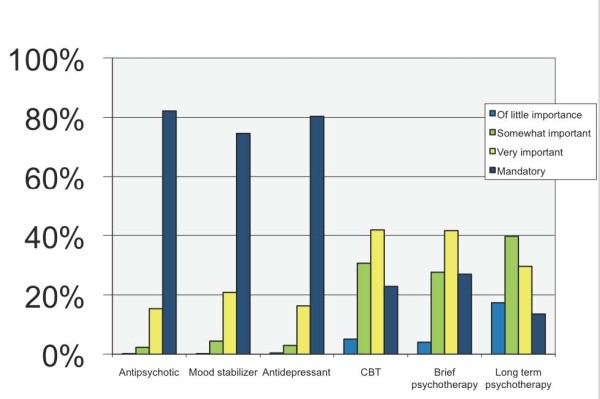
The majority of respondents considered initiating patients with the common medications, discharging patient suffering from schizophrenia, bipolar disorder or following a crisis admission, conducting risk assessments and managing psychiatric emergencies were activities that trainees could be entrusted with by the end of the first stage of training.
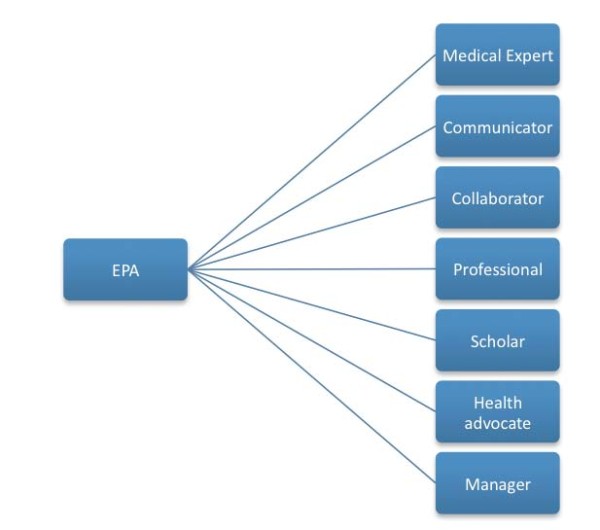
Four activities were identified that trainees should be entrusted with by the end of their first year of training. Each of these activities comprises a set of competencies in each of the CanMEDS roles. When a trainee is unable to satisfactorily perform an EPA, deficits in the underpinning competencies can be a focus for remediation. Further EPAs are being identified in areas of more specialised practice for use within more advanced training.
经过最小程度或无需监督即可信任受训者执行的临床活动被标记为可委托的专业活动(EPAs)。我们旨在探讨在精神科住院医师培训的第一年可以将哪些活动委托给住院医师。
我们对澳大利亚和新西兰皇家精神科医师学院(RANZCP)的研究员进行了在线调查。
大多数受访者认为,让患者服用常见药物、让患有精神分裂症、双相情感障碍或经历危机入院的患者出院、进行风险评估和管理精神科急症是住院医师在第一阶段培训结束时可以委托的活动。
确定了四项活动,住院医师在培训的第一年结束时应承担这些活动。每项活动都包含每个 CANMEDS 角色中的一系列能力。当受训者无法令人满意地执行 EPA 时,基础能力的缺陷可以成为补救的重点。正在为更专业的实践领域确定更多的 EPA,以在更高级的培训中使用。