Institute of Materials Science, University of Connecticut, 97 N. Eagleville Road, Storrs, CT 06269, USA.
J Struct Biol. 2012 Jan;177(1):168-76. doi: 10.1016/j.jsb.2011.11.011. Epub 2011 Nov 17.
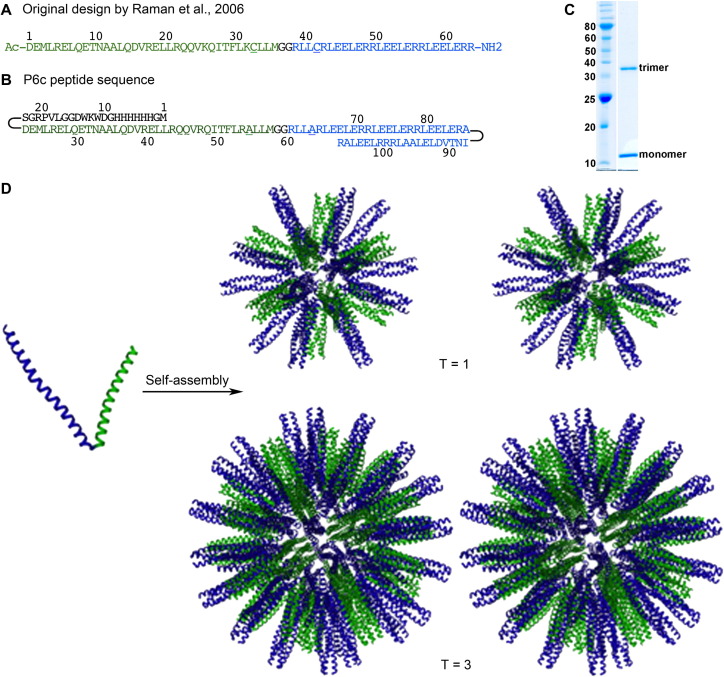
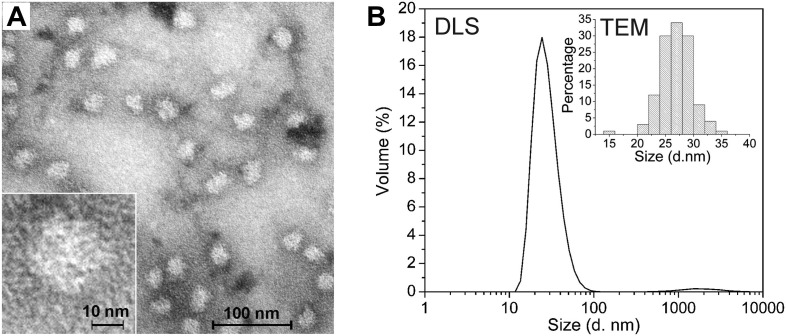
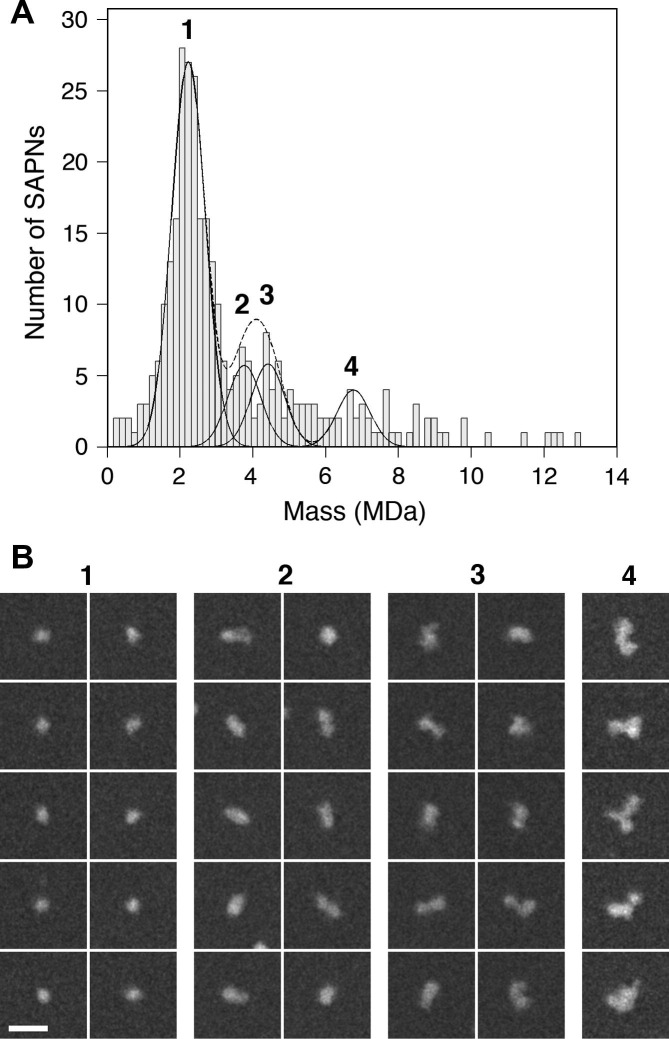
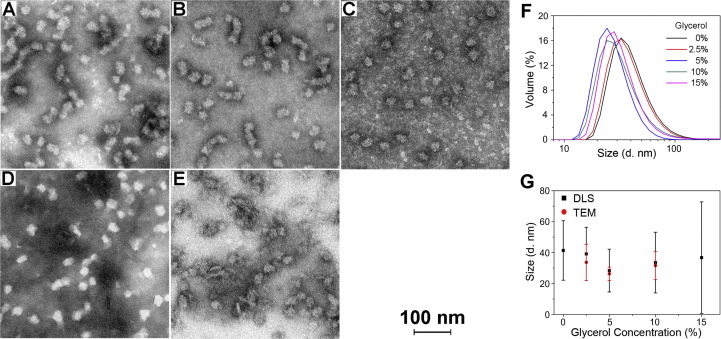
Nanoparticles show great promise as potent vaccine candidates since they are readily taken up by the antigen presenting cells of the immune system. The particle size and the density of the B cell epitopes on the surface of the particles greatly influences the strength of the humoral immune response. We have developed a novel type of nanoparticle composed of peptide building blocks (Raman et al., 2006) and have used such particles to design vaccines against malaria and SARS (Kaba et al., 2009; Pimentel et al., 2009). Here we investigate the biophysical properties and the refolding conditions of a prototype of these self-assembling polypeptide nanoparticles (SAPNs). SAPNs are formed from a peptide containing a pentameric and a trimeric coiled-coil domain. At near physiological conditions the peptide self-assembles into about 27 nm, roughly spherical SAPNs. The average size of the SAPNs increases with the salt concentration. The optimal pH for their formation is between 7.5 and 8.5, while aggregation occurs at lower and higher values. A glycerol concentration of about 5% v/v is required for the formation of SAPNs with regular spherical shapes. These studies will help to optimize the immunological properties of SAPNs.
纳米粒子作为有效的疫苗候选物具有很大的潜力,因为它们很容易被免疫系统的抗原呈递细胞吸收。粒子的大小和表面 B 细胞表位的密度极大地影响体液免疫反应的强度。我们开发了一种由肽构建块组成的新型纳米粒子(Raman 等人,2006 年),并使用这些粒子来设计疟疾和 SARS 的疫苗(Kaba 等人,2009 年;Pimentel 等人,2009 年)。在这里,我们研究了这些自组装多肽纳米粒子(SAPNs)的原型的生物物理性质和重折叠条件。SAPNs 由含有五聚体和三聚体螺旋卷曲结构域的肽形成。在接近生理条件下,肽自组装成约 27nm 的大致球形 SAPNs。SAPNs 的平均大小随盐浓度的增加而增加。其形成的最佳 pH 值在 7.5 和 8.5 之间,而在较低和较高的值时会发生聚集。形成具有规则球形的 SAPNs 需要约 5%(v/v)的甘油浓度。这些研究将有助于优化 SAPNs 的免疫学性质。