Department of Chemistry , University of Reading , Whiteknights , Reading RG6 6AD , United Kingdom.
Biomacromolecules. 2019 May 13;20(5):1829-1848. doi: 10.1021/acs.biomac.9b00228. Epub 2019 Apr 4.
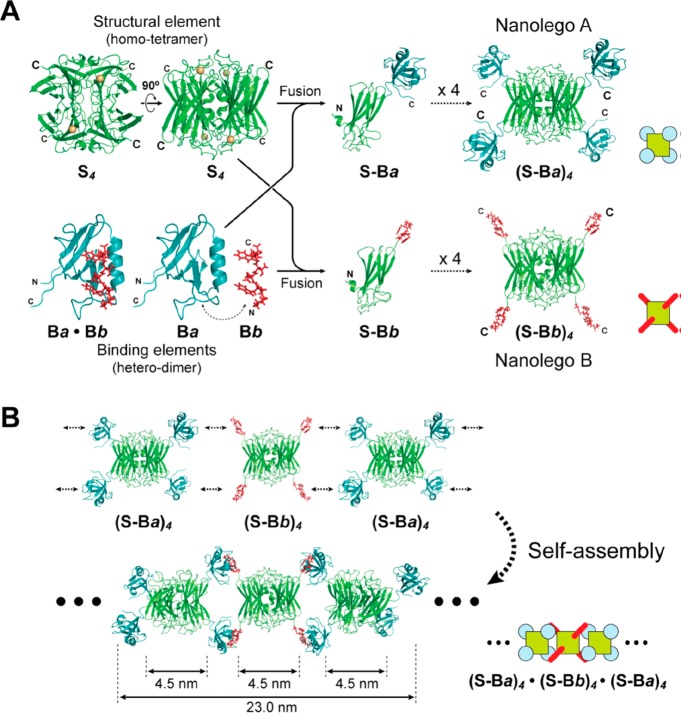
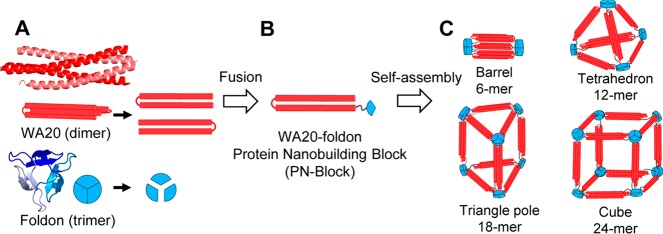
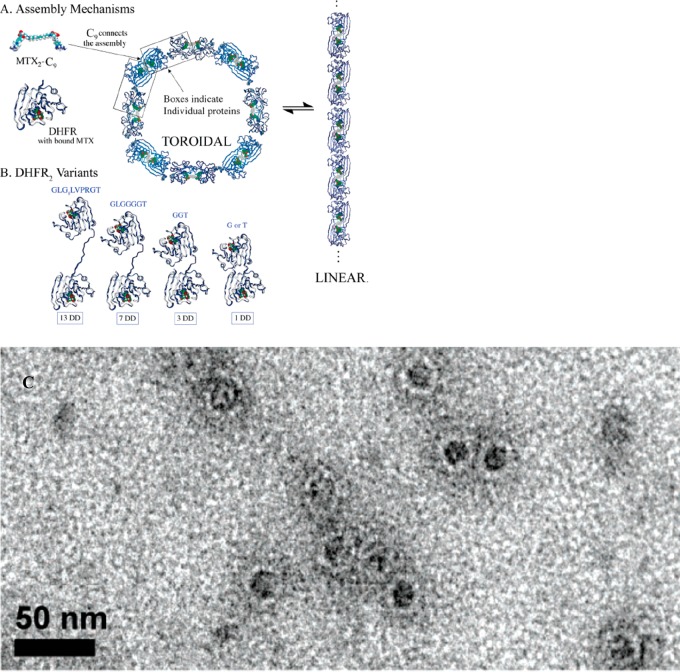
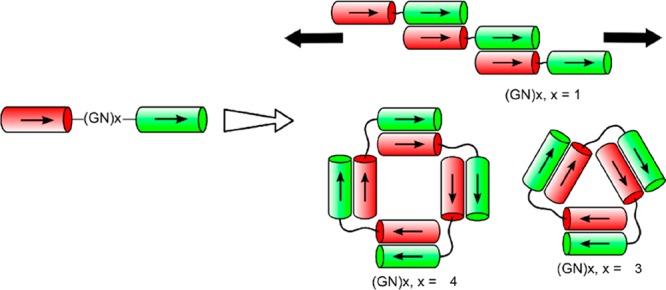
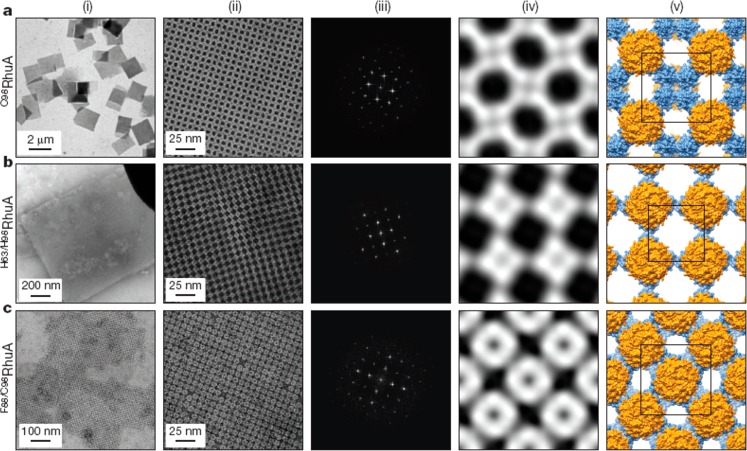
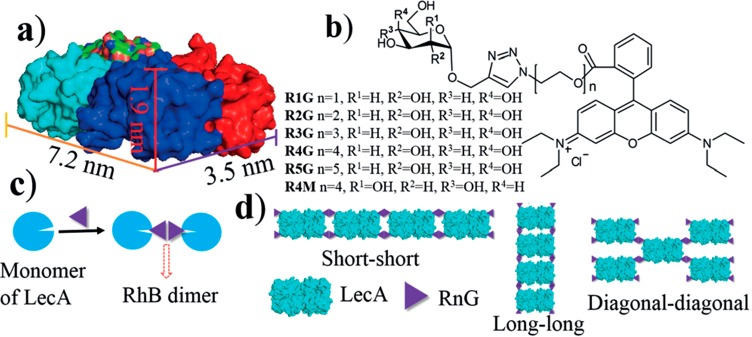
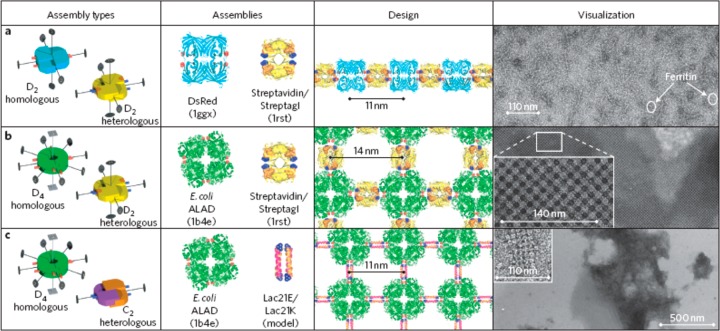
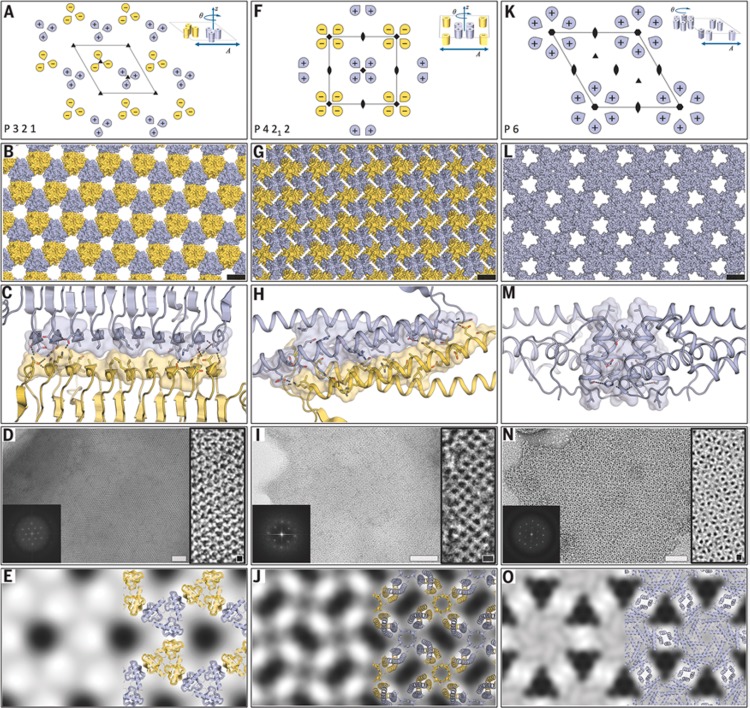
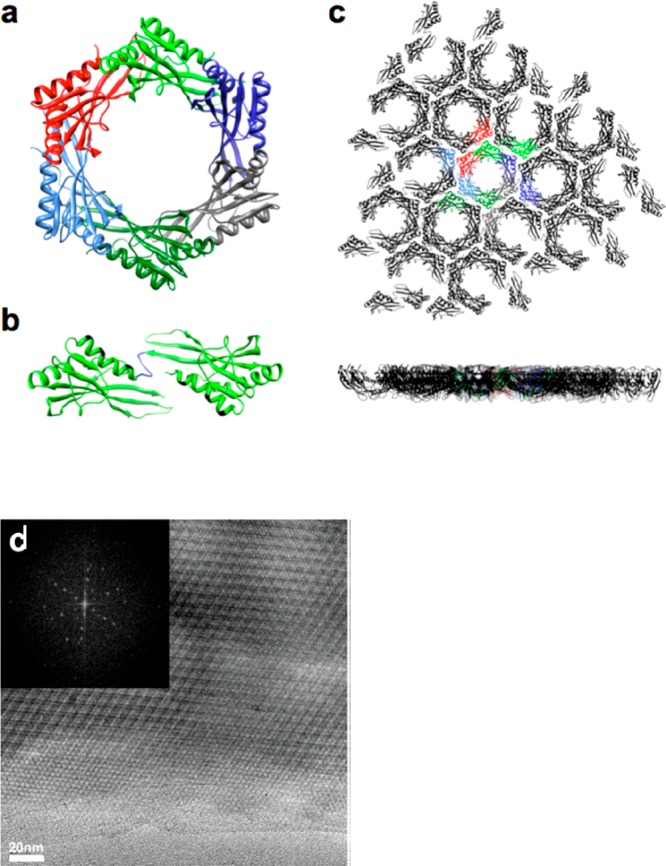
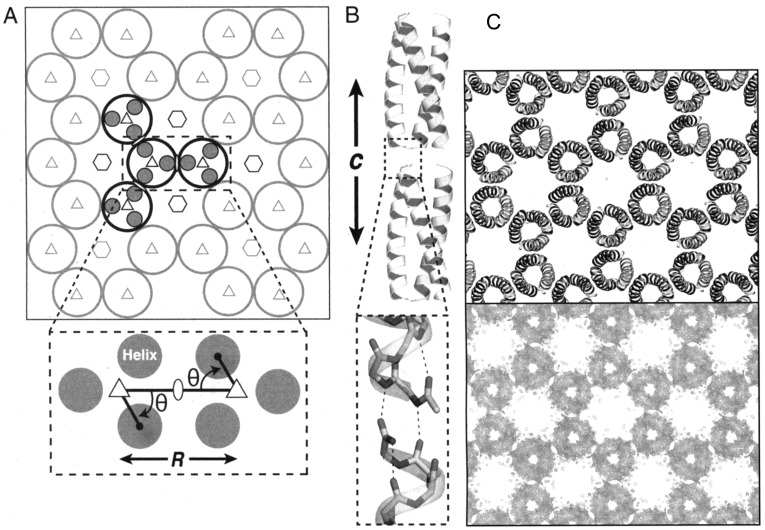
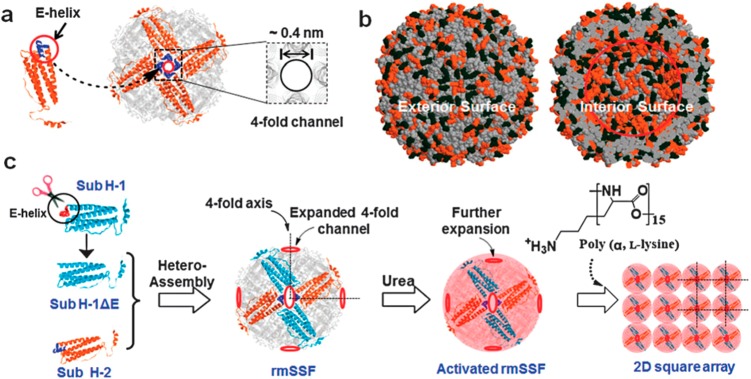
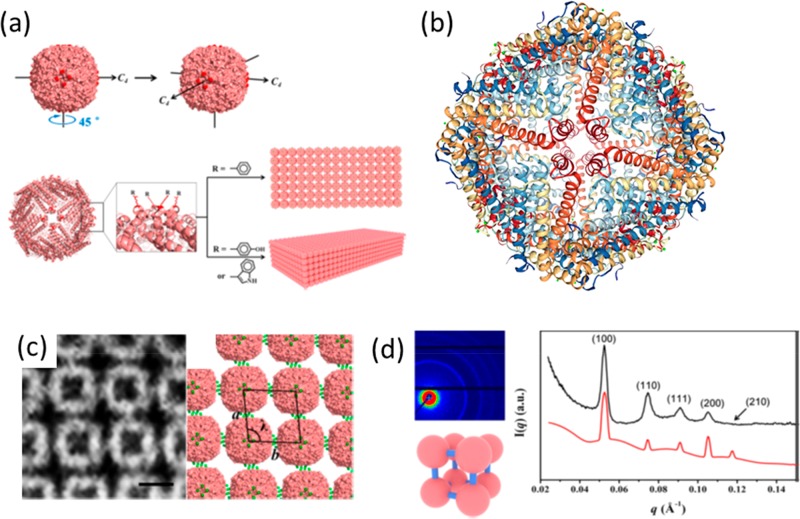
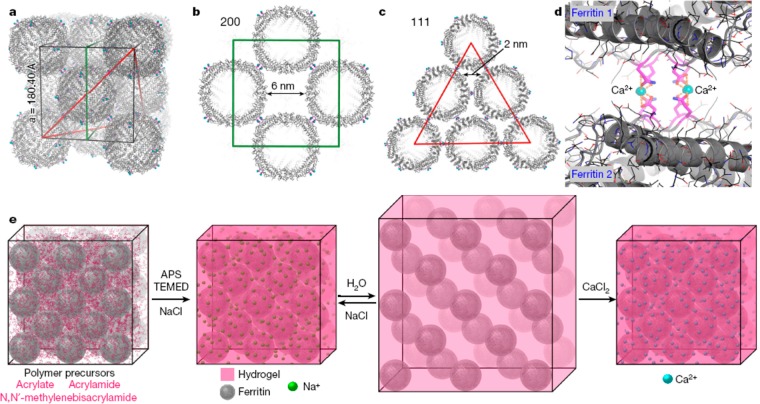
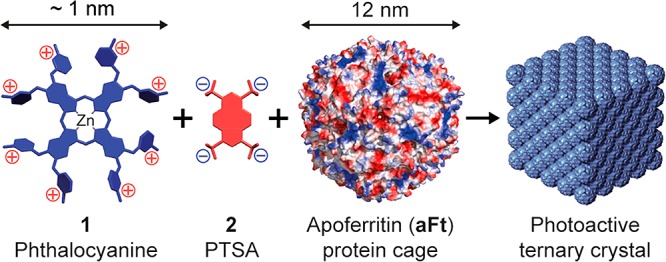
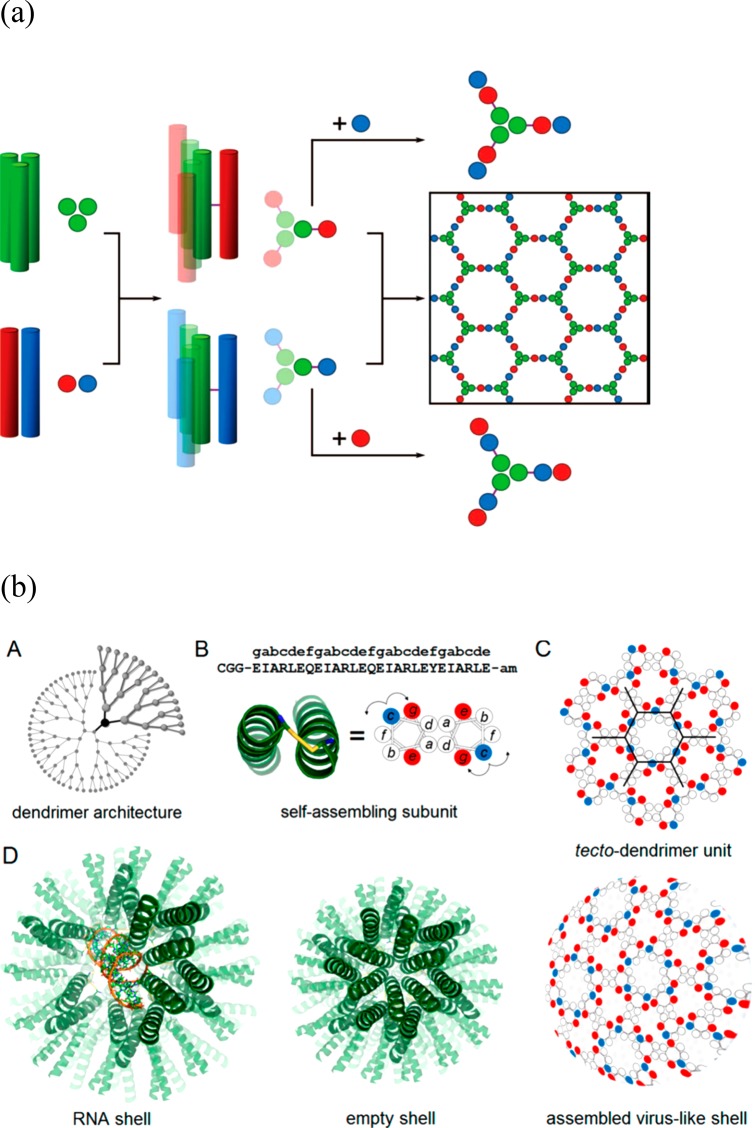
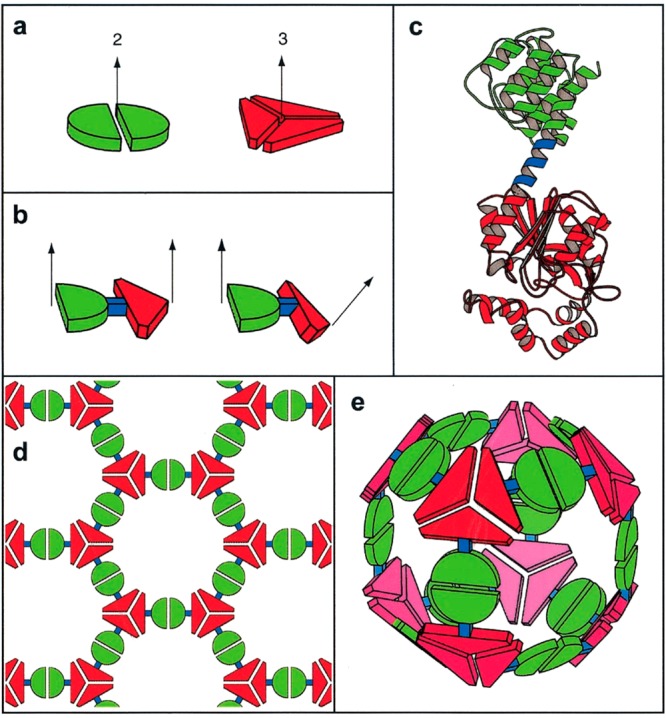
Ordered protein assemblies are attracting interest as next-generation biomaterials with a remarkable range of structural and functional properties, leading to potential applications in biocatalysis, materials templating, drug delivery and vaccine development. This Review covers ordered protein assemblies including protein nanowires/nanofibrils, nanorings, nanotubes, designed two- and three-dimensional ordered protein lattices and protein-like cages including polyhedral virus-like cage structures. The main focus is on designed ordered protein assemblies, in which the spatial organization of the proteins is controlled by tailored noncovalent interactions (including metal ion binding interactions, electrostatic interactions and ligand-receptor interactions among others) or by careful design of modified (mutant) proteins or de novo constructs. The modification of natural protein assemblies including bacterial S-layers and cage-like and rod-like viruses to impart novel function, e.g. enzymatic activity, is also considered. A diversity of structures have been created using distinct approaches, and this Review provides a summary of the state-of-the-art in the development of these systems, which have exceptional potential as advanced bionanomaterials for a diversity of applications.
有序蛋白质组装体作为下一代生物材料引起了人们的兴趣,它们具有显著的结构和功能特性,有望在生物催化、材料模板、药物输送和疫苗开发等领域得到应用。本综述涵盖了有序蛋白质组装体,包括蛋白质纳米线/纳米纤维、纳米环、纳米管、设计的二维和三维有序蛋白质晶格以及类似蛋白质的笼状结构,如多面体型病毒样笼状结构。主要重点是设计的有序蛋白质组装体,其中蛋白质的空间组织由定制的非共价相互作用(包括金属离子结合相互作用、静电相互作用和配体-受体相互作用等)或通过对修饰(突变)蛋白或从头构建体的精心设计来控制。还考虑了对天然蛋白质组装体(包括细菌 S 层和笼状和棒状病毒)进行修饰以赋予新功能,例如酶活性。已经使用不同的方法创建了多种结构,本综述提供了这些系统最新发展的概述,这些系统作为先进的仿生材料具有广泛的应用潜力。