Institute of Opto-Electronic Engineering, National Dong Hwa University, Hualien 97401, Taiwan.
Sensors (Basel). 2010;10(10):8797-826. doi: 10.3390/s101008797. Epub 2010 Sep 28.
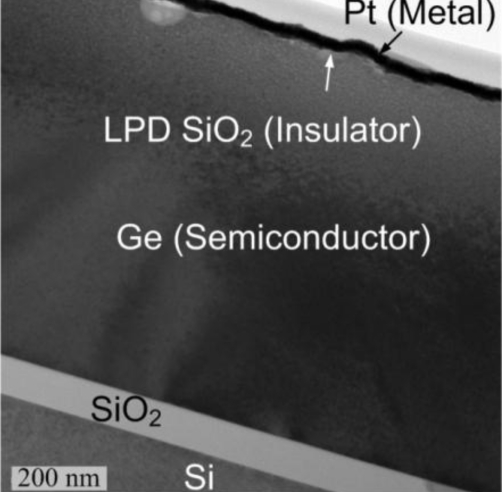
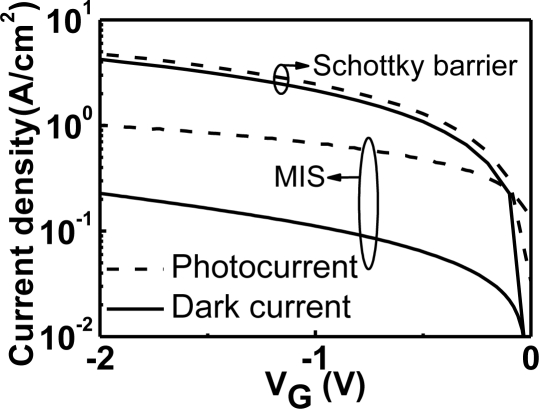
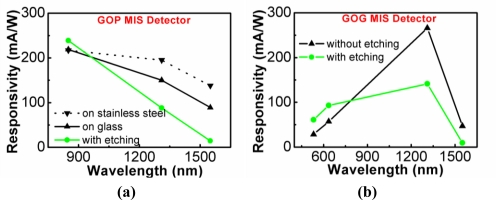
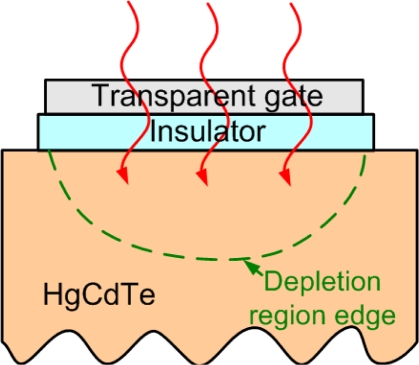
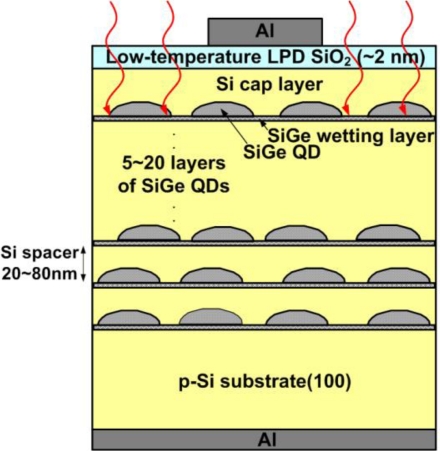
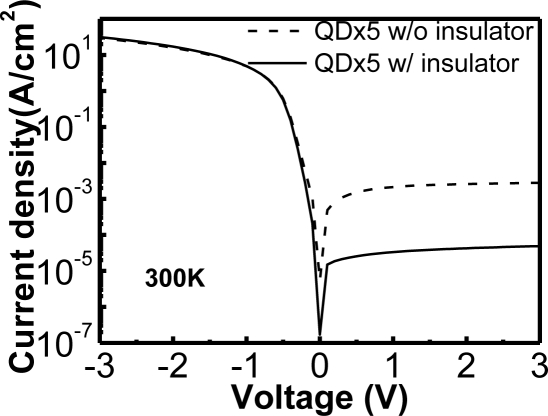
The major radiation of the sun can be roughly divided into three regions: ultraviolet, visible, and infrared light. Detection in these three regions is important to human beings. The metal-insulator-semiconductor photodetector, with a simpler process than the pn-junction photodetector and a lower dark current than the MSM photodetector, has been developed for light detection in these three regions. Ideal UV photodetectors with high UV-to-visible rejection ratio could be demonstrated with III-V metal-insulator-semiconductor UV photodetectors. The visible-light detection and near-infrared optical communications have been implemented with Si and Ge metal-insulator-semiconductor photodetectors. For mid- and long-wavelength infrared detection, metal-insulator-semiconductor SiGe/Si quantum dot infrared photodetectors have been developed, and the detection spectrum covers atmospheric transmission windows.
紫外线、可见光和红外线。这三个区域的探测对人类非常重要。金属-绝缘体-半导体光电探测器的工艺比 pn 结光电探测器简单,暗电流比 MSM 光电探测器低,因此已经开发用于这三个区域的光探测。具有高紫外-可见截止比的理想紫外光电探测器可以用 III-V 金属-绝缘体-半导体紫外光电探测器来实现。Si 和 Ge 金属-绝缘体-半导体光电探测器已经实现了可见光探测和近红外光通信。对于中长波红外探测,已经开发出金属-绝缘体-半导体 SiGe/Si 量子点红外光电探测器,其探测光谱覆盖大气传输窗口。