Department of Dermatology, University of Alabama at Birmingham, Birmingham, AL, USA.
BMC Complement Altern Med. 2011 Dec 21;11:134. doi: 10.1186/1472-6882-11-134.
Head and neck squamous cell carcinoma (HNSCC) is responsible for over 20,000 deaths every year in United States. Most of the deaths are due, in large part, to its propensity to metastasize. We have examined the effect of bioactive component grape seed proanthocyanidins (GSPs) on human cutaneous HNSCC cell invasion and the molecular mechanisms underlying these effects using SCC13 cell line as an in vitro model.
The therapeutic effects of GSPs on cancer cell invasion were studied using Boyden chamber and wound healing assays. The effects of GSPs on the levels of various proteins related with cancer cell invasion were determined using western blot analysis.
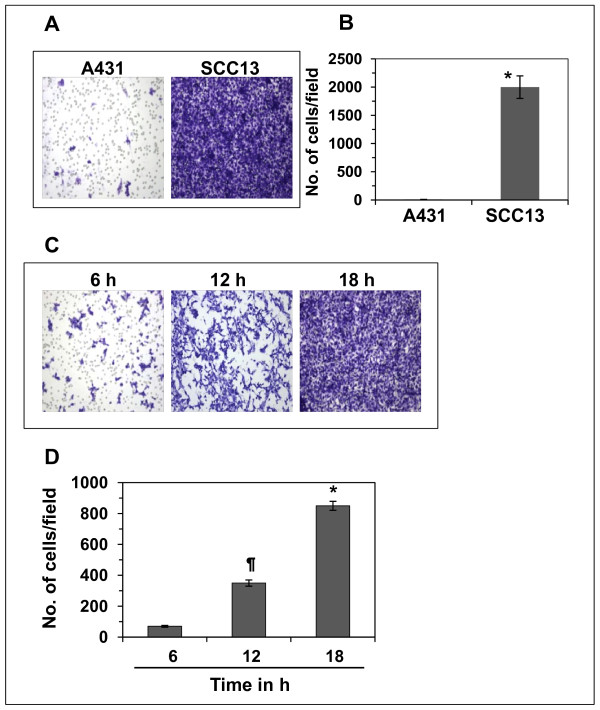
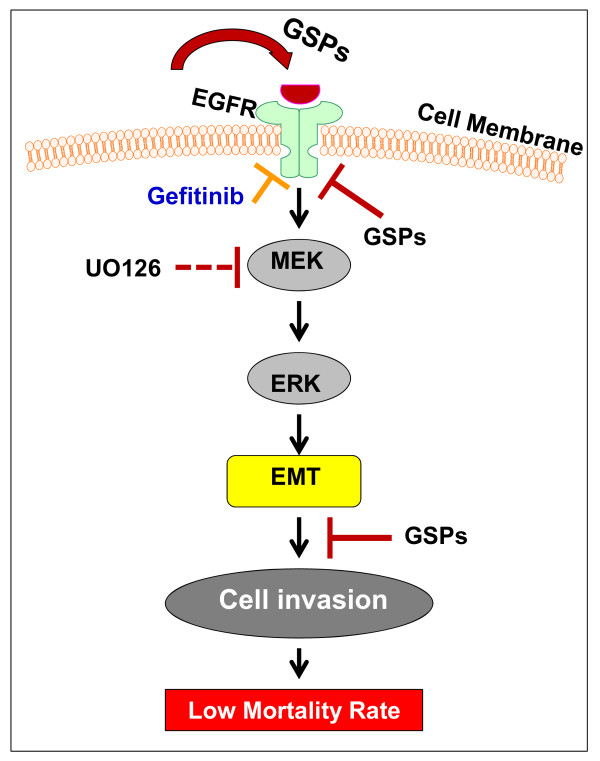
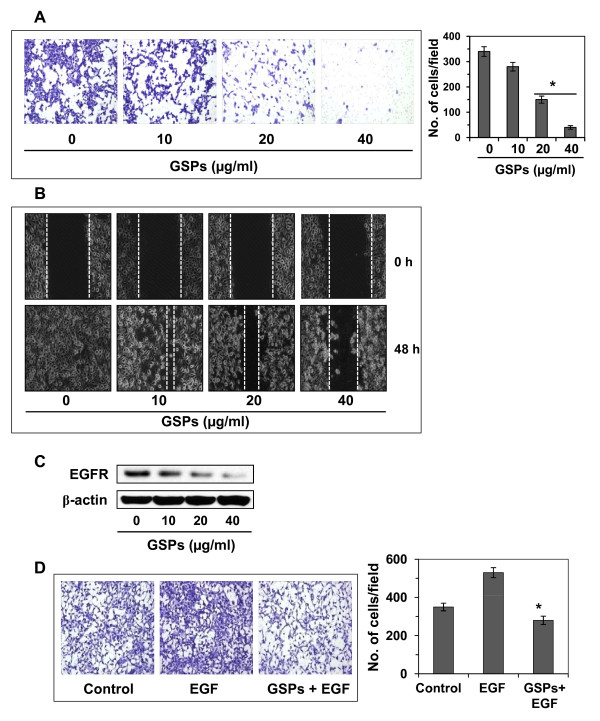
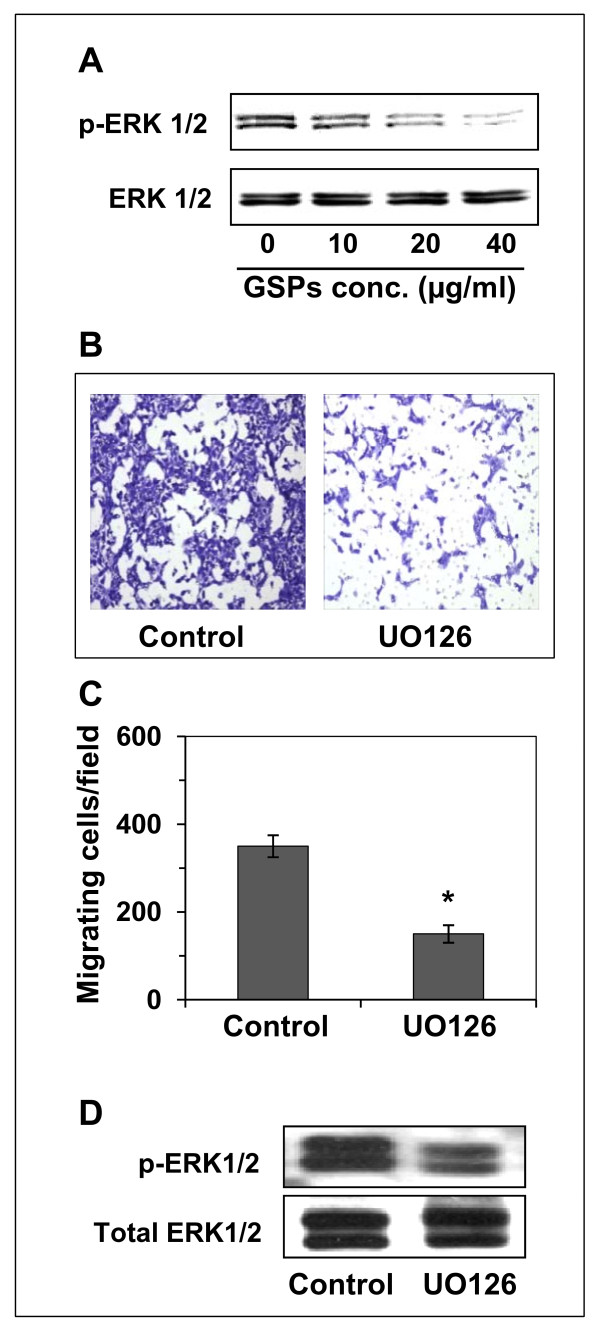
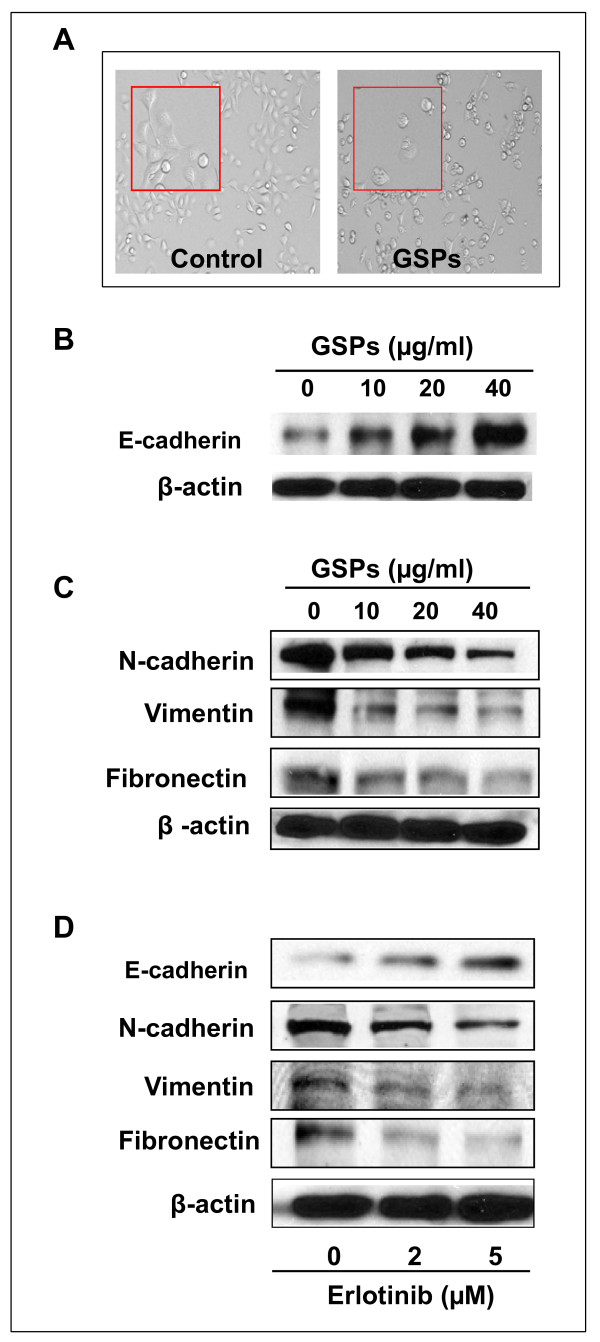
Using in vitro cell invasion assays, we observed that treatment of SCC13 cells with GSPs resulted in a concentration-dependent inhibition of cell invasion of these cells, which was associated with a reduction in the levels of epidermal growth factor receptor (EGFR). Treatment of cells with gefitinib and erlotinib, inhibitors of EGFR, or transient transfection of SCC13 cells with EGFR small interfering RNA, also inhibited invasion of these cells. The inhibition of cell invasion by GSPs was associated with the inhibition of the phosphorylation of ERK1/2, a member of mitogen-activated protein kinase family. Treatment of cells with UO126, an inhibitor of MEK, also inhibited the invasion potential of SCC13 cells. Additionally, inhibition of human cutaneous HNSCC cell invasion by GSPs was associated with reversal of epithelial-to-mesenchymal transition (EMT) process, which resulted in an increase in the levels of epithelial biomarker (E-cadherin) while loss of mesenchymal biomarkers (vimentin, fibronectin and N-cadherin) in cells. Similar effect on EMT biomarkers was also observed when cells were treated with erlotinib.
The results obtained from this study indicate that grape seed proanthocyanidins have the ability to inhibit the invasion of human cutaneous HNSCC cells by targeting the EGFR expression and reversing the process of epithelial-to-mesenchymal transition. These data suggest that GSPs can be developed as a complementary and alternative medicine for the prevention of invasion/metastasis of HNSCC cells.
头颈部鳞状细胞癌(HNSCC)每年导致美国超过 20000 人死亡。大部分死亡主要是由于其转移倾向。我们已经研究了生物活性成分葡萄籽原花青素(GSPs)对人皮肤 HNSCC 细胞侵袭的影响,并使用 SCC13 细胞系作为体外模型研究了这些影响的分子机制。
使用 Boyden 室和划痕愈合试验研究 GSPs 对癌细胞侵袭的治疗作用。使用 Western blot 分析确定 GSPs 对与癌细胞侵袭相关的各种蛋白质水平的影响。
使用体外细胞侵袭试验,我们观察到 GSPs 处理 SCC13 细胞导致这些细胞的侵袭能力呈浓度依赖性抑制,这与表皮生长因子受体(EGFR)水平降低有关。用 EGFR 抑制剂 gefitinib 和 erlotinib 处理细胞或用 EGFR 小干扰 RNA 瞬时转染 SCC13 细胞,也抑制这些细胞的侵袭。GSPs 抑制细胞侵袭与 ERK1/2(丝裂原激活蛋白激酶家族的一员)磷酸化的抑制有关。用 MEK 抑制剂 UO126 处理细胞也抑制了 SCC13 细胞的侵袭潜力。此外,GSPs 抑制人皮肤 HNSCC 细胞侵袭与上皮-间充质转化(EMT)过程的逆转有关,导致上皮生物标志物(E-钙粘蛋白)水平升高,而细胞中间充质生物标志物(波形蛋白、纤连蛋白和 N-钙粘蛋白)丢失。当用 erlotinib 处理细胞时,也观察到 EMT 生物标志物的类似作用。
本研究结果表明,葡萄籽原花青素通过靶向 EGFR 表达和逆转上皮-间充质转化过程,具有抑制人皮肤 HNSCC 细胞侵袭的能力。这些数据表明,GSPs 可开发为预防 HNSCC 细胞侵袭/转移的补充和替代医学。