KIT (Royal Tropical Institute) Biomedical Research, Amsterdam, The Netherlands.
PLoS One. 2011;6(12):e28348. doi: 10.1371/journal.pone.0028348. Epub 2011 Dec 14.
The emerging market of mobile phone technology and its use in the health sector is rapidly expanding and connecting even the most remote areas of world. Distributing diagnostic images over the mobile network for knowledge sharing, feedback or quality control is a logical innovation.
To determine the feasibility of using mobile phones for capturing microscopy images and transferring these to a central database for assessment, feedback and educational purposes.
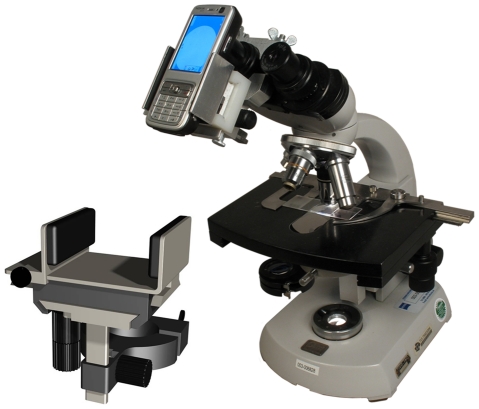
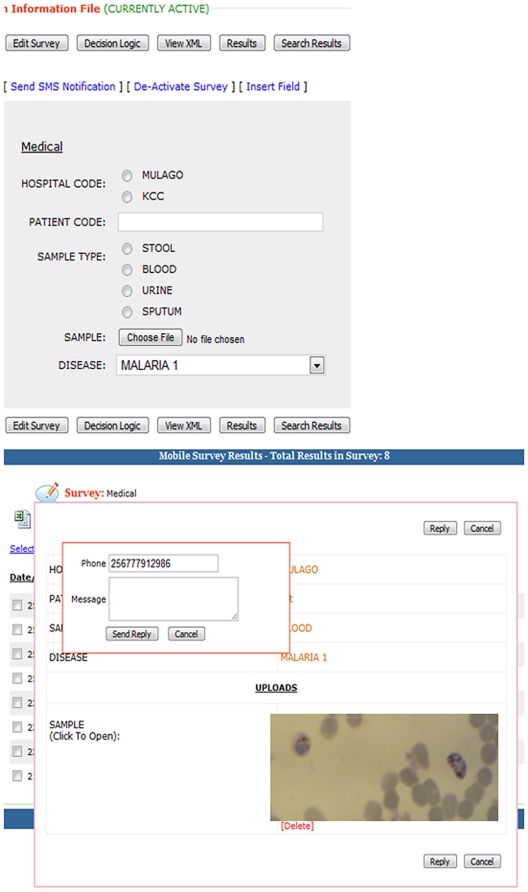
A feasibility study was carried out in Uganda. Images of microscopy samples were taken using a prototype connector that could fix a variety of mobile phones to a microscope. An Information Technology (IT) platform was set up for data transfer from a mobile phone to a website, including feedback by text messaging to the end user.
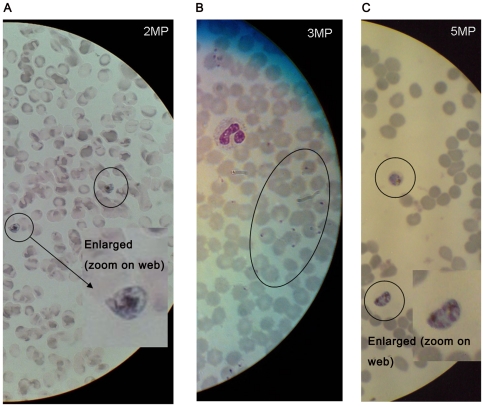
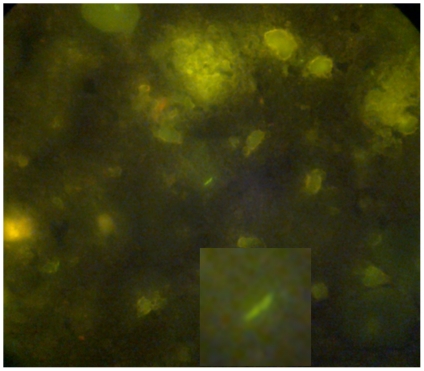
Clear images were captured using mobile phone cameras of 2 megapixels (MP) up to 5MP. Images were sent by mobile Internet to a website where they were visualized and feedback could be provided to the sender by means of text message.
The process of capturing microscopy images on mobile phones, relaying them to a central review website and feeding back to the sender is feasible and of potential benefit in resource poor settings. Even though the system needs further optimization, it became evident from discussions with stakeholders that there is a demand for this type of technology.
移动电话技术及其在卫生部门的应用新兴市场正在迅速扩大,甚至连接到世界上最偏远的地区。通过移动网络分发诊断图像以进行知识共享、反馈或质量控制是一种合理的创新。
确定使用手机捕获显微镜图像并将其传输到中央数据库以进行评估、反馈和教育目的的可行性。
在乌干达进行了一项可行性研究。使用一种原型连接器拍摄显微镜样本的图像,该连接器可以将各种手机固定到显微镜上。建立了一个信息技术 (IT) 平台,用于将数据从手机传输到网站,包括通过短信向最终用户提供反馈。
使用高达 5MP 的 2MP 手机摄像头拍摄了清晰的图像。通过移动互联网发送图像到网站,在网站上可以对其进行可视化,并通过短信向发送者提供反馈。
在资源匮乏的环境中,使用手机捕获显微镜图像、将其传送到中央审查网站并反馈给发送者的过程是可行的,并且具有潜在的益处。尽管该系统需要进一步优化,但与利益相关者的讨论表明,人们对这种类型的技术有需求。