Center for Alcohol & Addiction Studies, Brown University, 121 South Main Street, Providence, RI 02912, USA.
Prev Med. 2012 Nov;55 Suppl(Suppl):S54-60. doi: 10.1016/j.ypmed.2011.11.010. Epub 2011 Dec 9.
Serious mental illness (SMI) is associated with high rates of tobacco and other drug dependence, poor treatment compliance, obesity and low levels of physical activity, which have severe medical and psychosocial consequences. Interventions that effectively reduce these health risk behaviors among people with SMI are urgently needed.
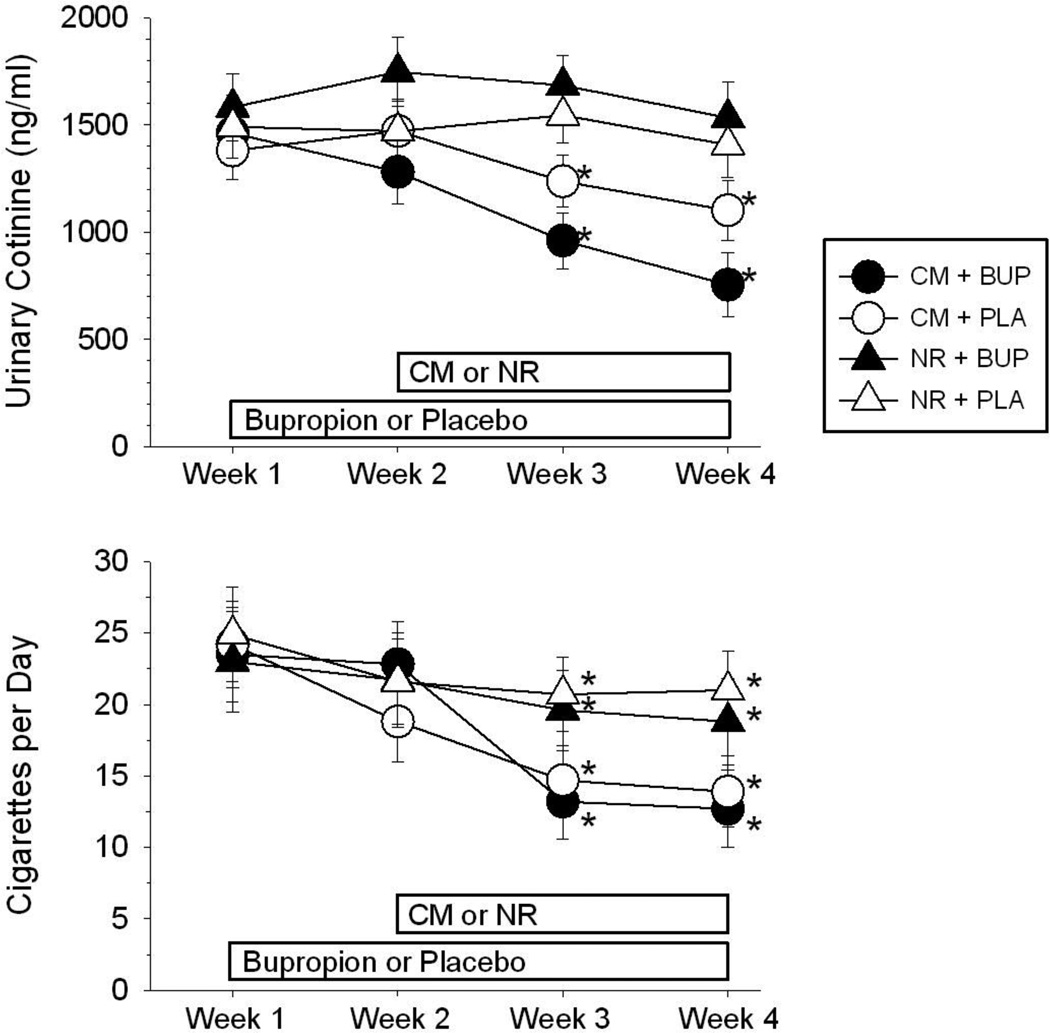
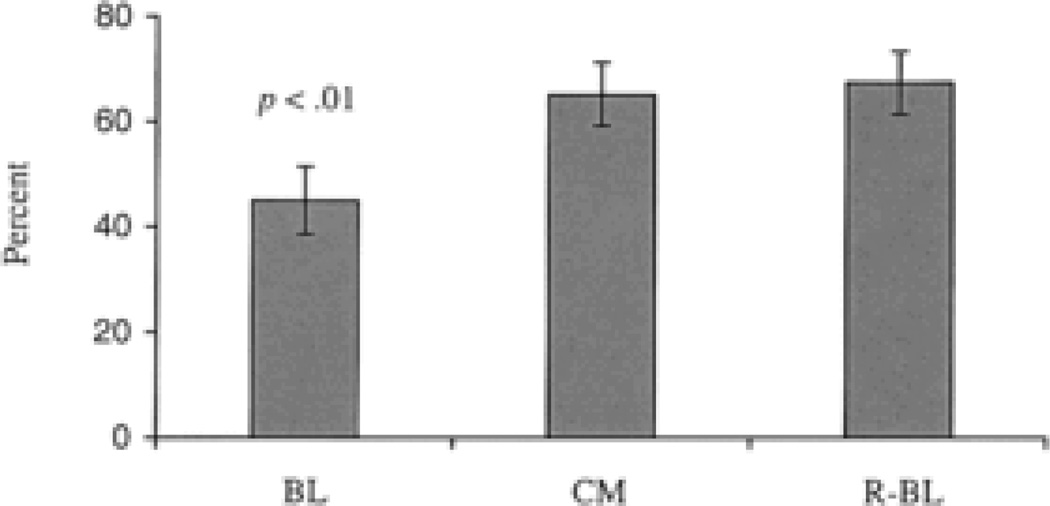
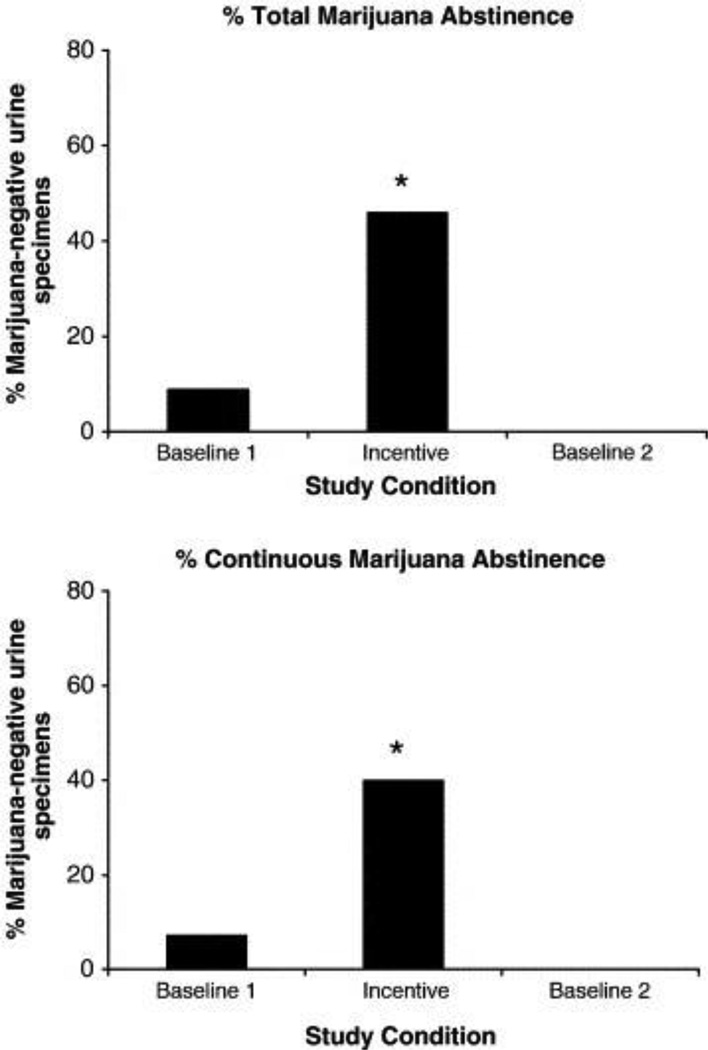
Published reports from studies evaluating incentive-based treatments for promoting tobacco and other drug abstinence, treatment attendance, medication use and increased physical activity are reviewed.
Results of this review indicate the efficacy of incentive-based treatments for reducing tobacco and other drug use among people with SMI. Few studies have examined whether incentive-based treatments improve treatment attendance, medication use and physical activity levels in people with SMI; however, initial evidence is positive and indicates that further research in these areas is warranted.
Given the medical and psychosocial costs of tobacco and other drug use, treatment non-compliance and physical inactivity, and the efficacy of incentive-based treatments for improving these behaviors, such interventions should be further developed and integrated into behavioral health treatment programs for people with SMI.
严重的精神疾病(SMI)与高烟草和其他药物依赖率、治疗依从性差、肥胖和低水平的身体活动有关,这些都会带来严重的医疗和心理社会后果。迫切需要有效的干预措施来减少 SMI 患者的这些健康风险行为。
对评估基于激励的治疗促进烟草和其他药物戒除、治疗参与、药物使用和增加身体活动的研究进行了综述。
本综述结果表明,基于激励的治疗方法在减少 SMI 患者的烟草和其他药物使用方面是有效的。很少有研究检查基于激励的治疗是否能提高 SMI 患者的治疗参与度、药物使用和身体活动水平;然而,初步证据是积极的,表明在这些领域进一步研究是合理的。
鉴于烟草和其他药物使用、治疗不依从和身体活动不足的医疗和心理社会成本,以及基于激励的治疗方法在改善这些行为方面的有效性,应进一步开发和整合这些干预措施,纳入 SMI 患者的行为健康治疗方案。