Garg M K, Dutta M K, Mahalle Namita
Department of Endocrinology, Army Hospital (Research and Referral), Delhi Cantt, India.
Indian J Endocrinol Metab. 2012 Jan;16(1):116-23. doi: 10.4103/2230-8210.91206.
The clustering of cardiovascular risk factors is termed the metabolic syndrome (MS), which strongly predicts the risk of diabetes and cardiovascular disease (CVD). Adipokines may contribute to the development of obesity and insulin resistance and may be a causal link between MS, diabetes and CVD. Hence, we studied the adipokines - adiponectin and plasminogen activator inhibitor-1 (PAI-1) - in subjects with MS.
We studied 50 subjects with MS diagnosed by International Diabetes Federation (IDF) criteria and 24 healthy age- and sex-matched controls. Clinical evaluation included anthropometry, body fat analysis by bioimpedance, highly sensitive C-reactive protein, insulin, adiponectin, and PAI-1 measurement.
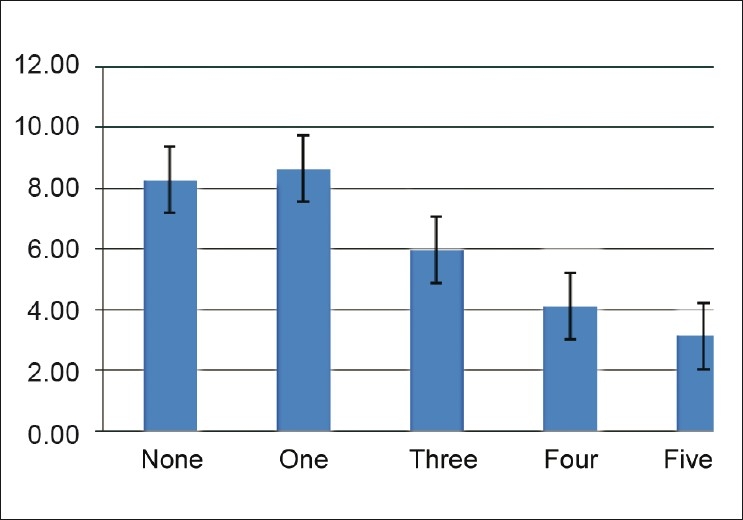
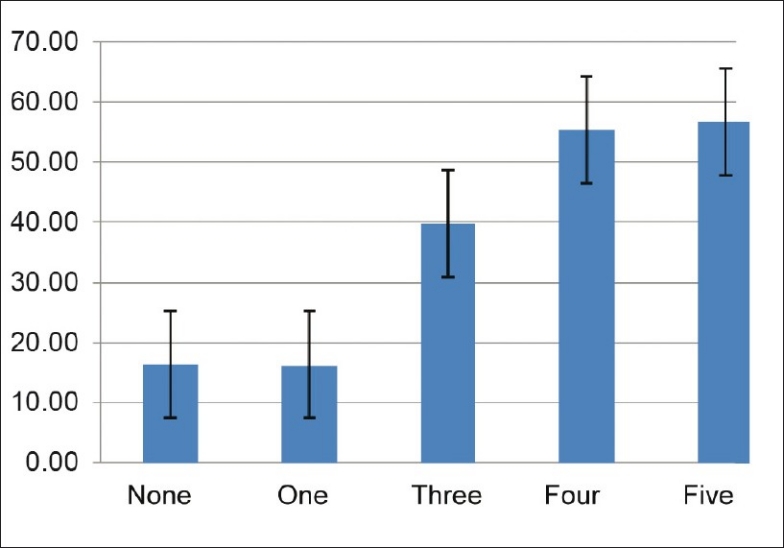
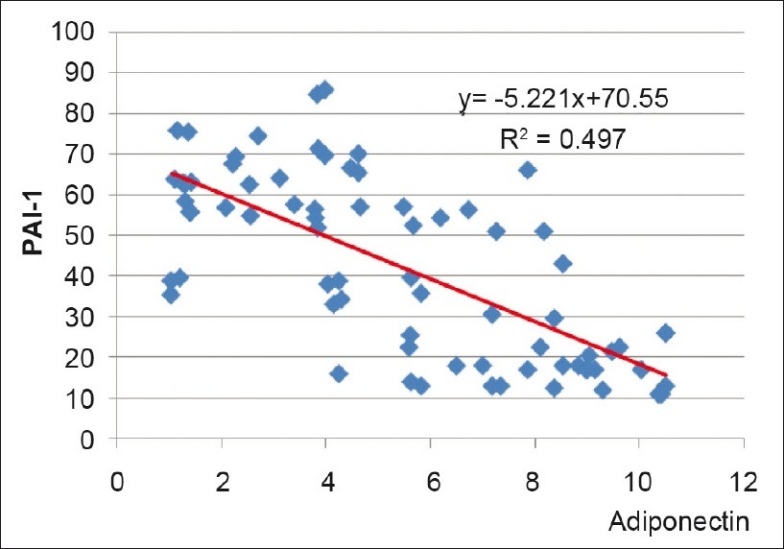
Subjects with MS had lower adiponectin (4.01 ± 2.24 vs. 8.7 ± 1.77 μg/ml; P < 0.0001) and higher PAI-1 (53.85 ± 16.45 vs. 17.35 ± 4.45 ng/ml; P < 0.0001) levels than controls. Both were related with the number of metabolic abnormalities. Adiponectin was negatively and PAI-1 was positively associated with body mass index, waist hip ratio (WHR), body fat mass, percent body fat, and all the parameters of MS, except HDL where the pattern reversed. WHR and triglycerides were independent predictors of adipokines in multiple regression analysis. Receiver operating characteristic curve analysis showed that adiponectin (6.7 μg/ml) and PAI-1 (25.0 ng/ml) levels predicted the MS with high sensitivity, specificity and accuracy in Indian population.
Subjects with MS have lower adiponectin and higher PAI-1 levels compared to healthy controls. Lifestyle measures have been shown to improve the various components of MS, and hence there is an urgent need for public health measures to prevent the ongoing epidemic of diabetes and CVD.
心血管危险因素的聚集被称为代谢综合征(MS),它能有力地预测糖尿病和心血管疾病(CVD)的风险。脂肪因子可能导致肥胖和胰岛素抵抗的发生,并且可能是MS、糖尿病和CVD之间的因果联系。因此,我们研究了MS患者体内的脂肪因子——脂联素和纤溶酶原激活物抑制剂-1(PAI-1)。
我们研究了50例根据国际糖尿病联盟(IDF)标准诊断为MS的患者以及24例年龄和性别匹配的健康对照者。临床评估包括人体测量、通过生物电阻抗分析身体脂肪、高敏C反应蛋白、胰岛素、脂联素和PAI-1测量。
与对照组相比,MS患者的脂联素水平较低(4.01±2.24 vs. 8.7±1.77μg/ml;P<0.0001),PAI-1水平较高(53.85±16.45 vs. 17.35±4.45 ng/ml;P<0.0001)。两者均与代谢异常的数量有关。脂联素呈负相关,PAI-1呈正相关,与体重指数、腰臀比(WHR)、身体脂肪量、体脂百分比以及MS的所有参数相关,但高密度脂蛋白(HDL)的情况相反。在多元回归分析中,WHR和甘油三酯是脂肪因子的独立预测因素。受试者工作特征曲线分析表明,在印度人群中,脂联素(6.7μg/ml)和PAI-1(25.0 ng/ml)水平对MS具有较高的敏感性、特异性和准确性。
与健康对照者相比,MS患者的脂联素水平较低,PAI-1水平较高。生活方式干预措施已被证明可改善MS的各个组成部分,因此迫切需要采取公共卫生措施来预防当前糖尿病和CVD的流行。