Experimental Cancer Medicine, Department of Laboratory Medicine, Karolinska Institutet, Stockholm, Sweden.
PLoS One. 2012;7(1):e30897. doi: 10.1371/journal.pone.0030897. Epub 2012 Jan 27.
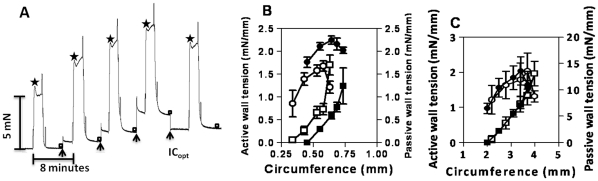
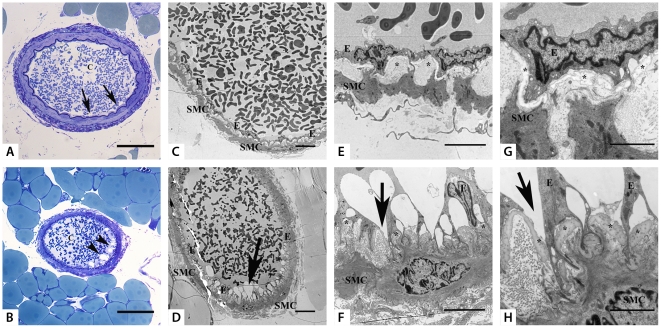
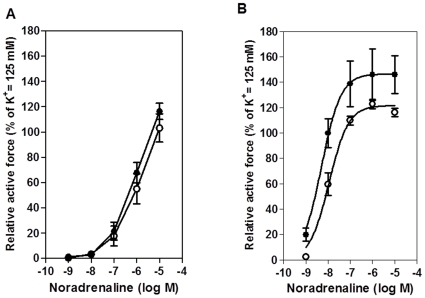
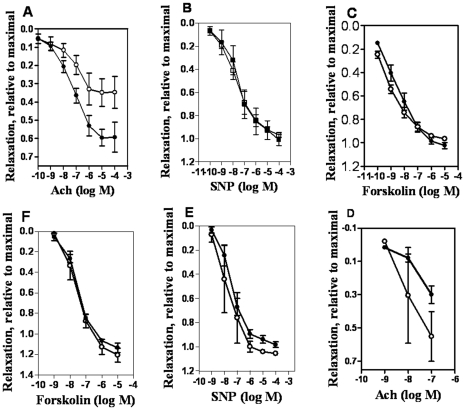
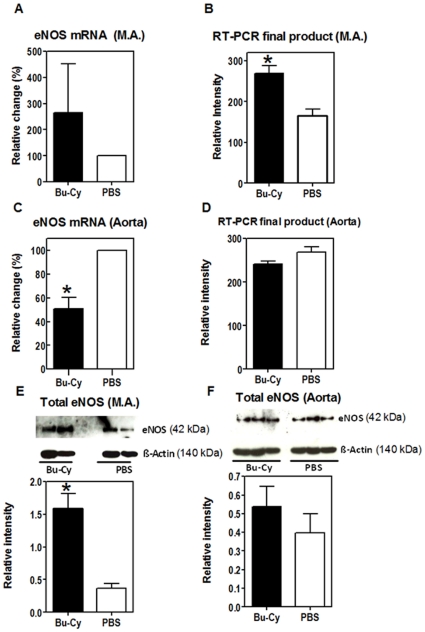
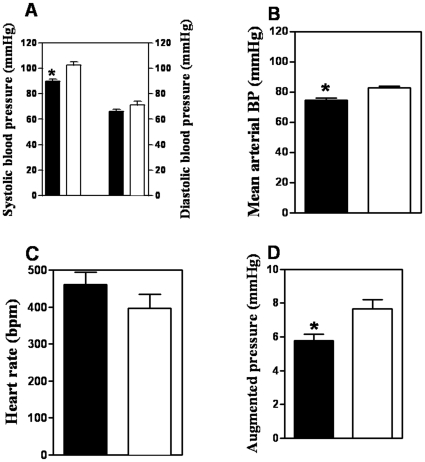
Stem cell transplantation (SCT) is a curative treatment for malignant and non malignant diseases. However, transplantation-related complications including cardiovascular disease deteriorate the clinical outcome and quality of life. We have investigated the acute effects of conditioning regimen on the pharmacology, physiology and structure of large elastic arteries and small resistance-sized arteries in a SCT mouse model. Mesenteric resistance arteries and aorta were dissected from Balb/c mice conditioned with busulphan (Bu) and cyclophosphamide (Cy). In vitro isometric force development and pharmacology, in combination with RT-PCR, Western blotting and electron microscopy were used to study vascular properties. Compared with controls, mesenteric resistance arteries from the Bu-Cy group had larger internal circumference, showed enhanced endothelium mediated relaxation and increased expression of endothelial nitric oxide synthase (eNOS). Bu-Cy treated animals had lower mean blood pressure and signs of endothelial injury. Aortas of treated animals had a higher reactivity to noradrenaline. We conclude that short-term consequences of Bu-Cy treatment divergently affect large and small arteries of the cardiovascular system. The increased noradrenaline reactivity of large elastic arteries was not associated with increased blood pressure at rest. Instead, Bu-Cy treatment lowered blood pressure via augmented microvascular endothelial dependent relaxation, increased expression of vascular eNOS and remodeling toward a larger lumen. The changes in the properties of resistance arteries can be associated with direct effects of the compounds on vascular wall or possibly indirectly induced via altered translational activity associated with the reduced hematocrit and shear stress. This study contributes to understanding the mechanisms that underlie the early effects of conditioning regimen on resistance arteries and may help in designing further investigations to understand the late effects on vascular system.
干细胞移植(SCT)是治疗恶性和非恶性疾病的一种有治愈可能的治疗方法。然而,与移植相关的并发症,包括心血管疾病,会恶化临床结果和生活质量。我们研究了 SCT 小鼠模型中,预处理方案对大弹性动脉和小阻力动脉大小的药理学、生理学和结构的急性影响。从小鼠肠系膜分离阻力动脉和主动脉,用白消安(Bu)和环磷酰胺(Cy)预处理。采用离体等长力发育和药理学,结合 RT-PCR、Western blot 和电子显微镜研究血管特性。与对照组相比,Bu-Cy 组的肠系膜阻力动脉的内周长更大,表现出增强的内皮介导的松弛作用,并增加内皮型一氧化氮合酶(eNOS)的表达。Bu-Cy 处理的动物血压较低,并有内皮损伤的迹象。处理动物的主动脉对去甲肾上腺素的反应性更高。我们得出结论,Bu-Cy 处理的短期后果对心血管系统的大、小动脉有不同的影响。大弹性动脉的去甲肾上腺素反应性增加与静息时血压升高无关。相反,Bu-Cy 处理通过增强微血管内皮依赖性松弛、增加血管 eNOS 的表达和向更大管腔的重塑来降低血压。阻力动脉特性的变化可能与化合物对血管壁的直接作用有关,也可能通过与红细胞压积和切应力降低相关的翻译活性的改变而间接引起。这项研究有助于理解预处理方案对阻力动脉早期影响的机制,并有助于设计进一步的研究来理解对血管系统的晚期影响。